

 English
 Español
Content
- 1 Product Overview
- 2 Why the 139 Inner Diameter Matters
- 3 Advantages of 304 Stainless Steel
- 4 Comparison with Conventional Motor Housing Solutions
- 5 Integrated Manufacturing Capabilities
- 6 Engineering and Customization Support
- 7 Applications
- 8 Performance Considerations During Product Development
- 9 Quality and Reliability Advantages
- 10 Recommended Customer Specifications
- 11 Packaging, Delivery, and Production Coordination
- 12 Frequently Asked Questions
- 12.1 What is the material of this motor housing?
- 12.2 What does the number 139 refer to?
- 12.3 Can the inner diameter tolerance be customized?
- 12.4 Can additional mounting features be added?
- 12.5 Is the product suitable for humid environments?
- 12.6 Can the housing be welded?
- 12.7 Can machining be performed after forming or welding?
- 12.8 What industries can use this housing?
- 12.9 Does the supplier support prototype production?
- 12.10 What information is needed for a quotation?
- 12.11 How does stainless steel compare with painted steel?
- 12.12 Can the product be used in high-temperature applications?
- 12.13 What quality controls are available?
- 13 Conclusion
- 14 References
- 15 Product: Inner Diameter 139 304SS Motor Housing
Precision 139 mm Inner Diameter 304 Stainless Steel Motor Housing for Reliable Industrial Performance
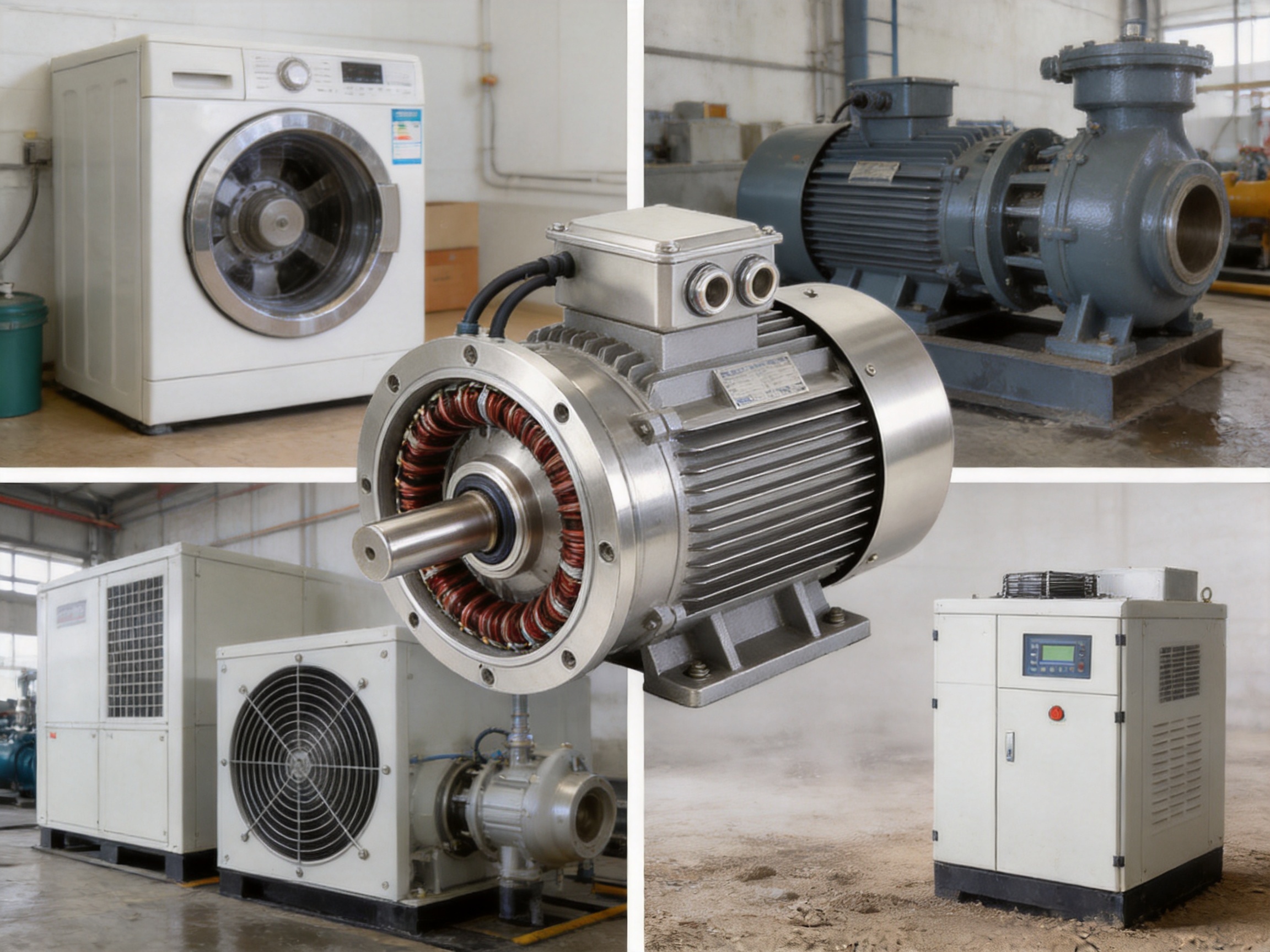
Motor housings are essential structural and functional components in electric motors. They support the stator, protect internal electrical and mechanical parts, help maintain alignment, contribute to heat dissipation, and provide a stable interface for assembly into larger equipment. When a motor operates in a demanding environment, the housing must do much more than enclose the motor. It must resist corrosion, maintain dimensional stability, withstand vibration, support efficient production, and remain consistent over thousands or millions of operating cycles.
The Inner Diameter 139 304SS Motor Housing is designed for applications that require a combination of corrosion resistance, structural reliability, dimensional control, and manufacturing flexibility. Produced from 304 stainless steel, this housing offers a durable material solution for motors used in household appliances, industrial drives, new energy equipment, special machinery, and other applications where ordinary carbon steel may not provide sufficient environmental protection.
Its defining feature is a nominal inner diameter of 139, a dimension that can be incorporated into a motor design requiring controlled stator positioning and reliable internal fit. Depending on the final engineering drawing, customer requirements, and production application, dimensional tolerances, wall thickness, end features, mounting holes, grooves, flanges, and surface finishing can be customized to support a complete motor assembly.
This product is manufactured by an experienced full-process motor housing producer with capabilities covering steel processing, stamping, welding assembly, machining, inspection, and surface treatment. By coordinating several manufacturing processes within one production system, the supplier can provide more consistent control from raw material preparation through finished component delivery.
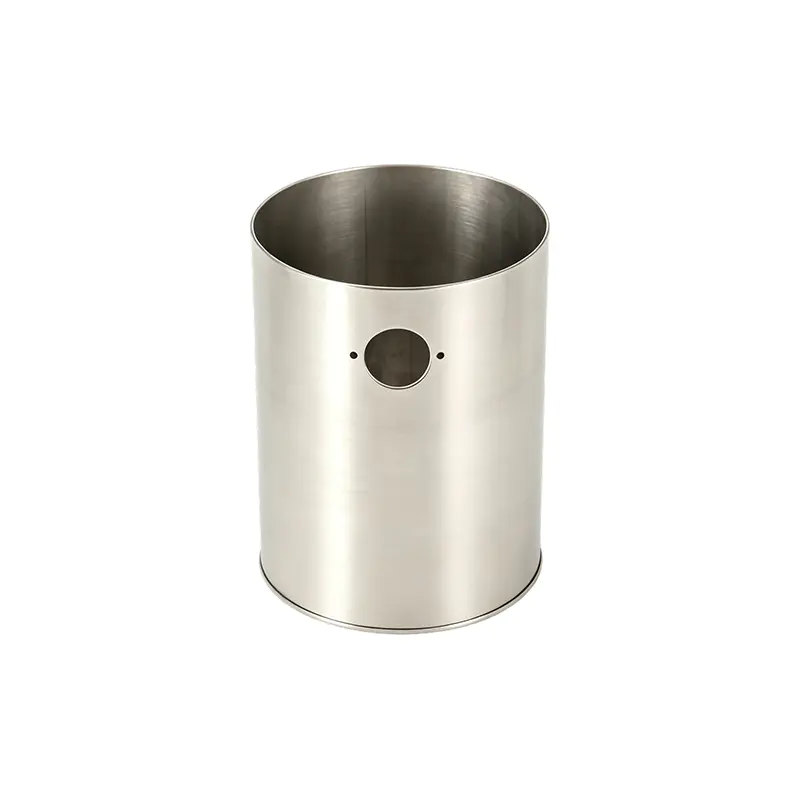
Inner Diameter 139 304SS Motor Housing
Product Overview
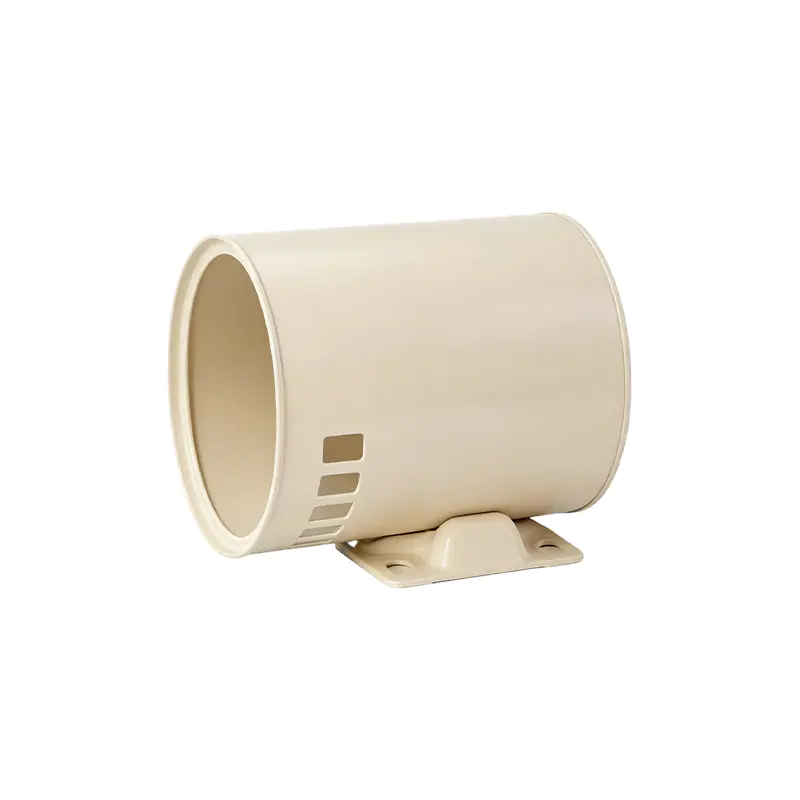
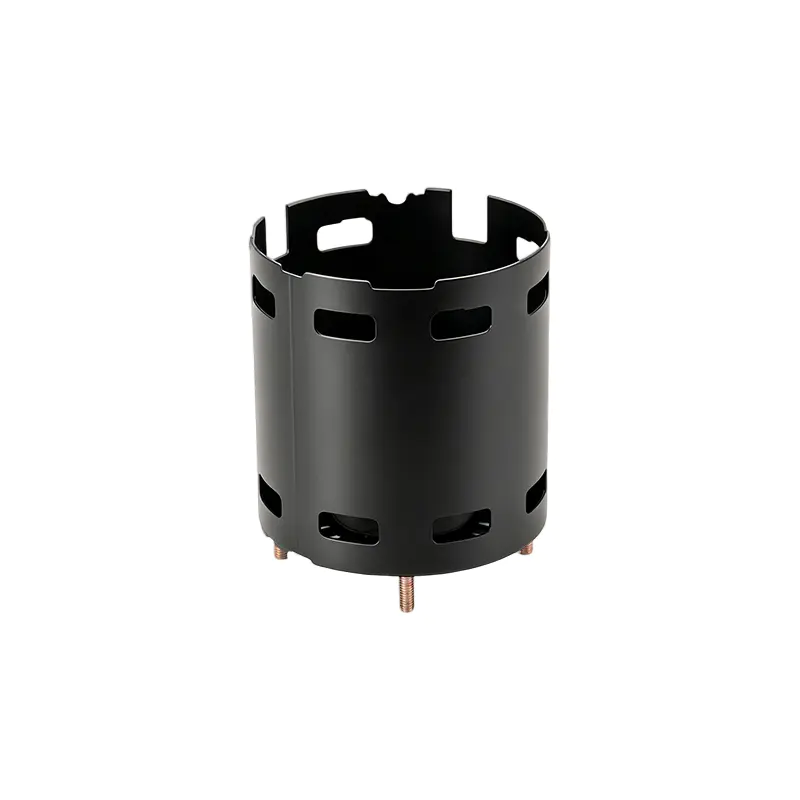
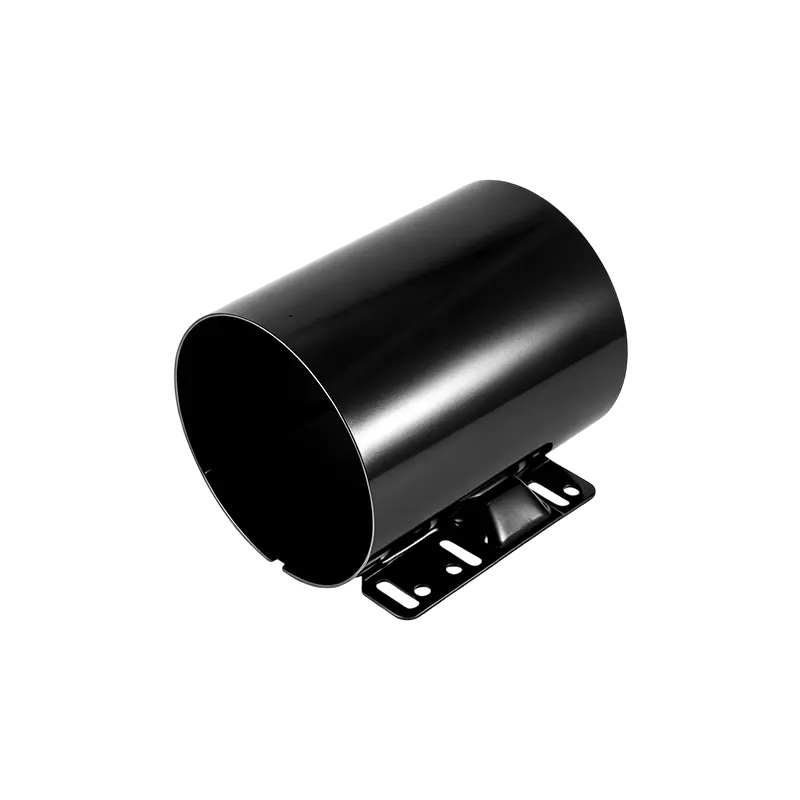
The Inner Diameter 139 304SS Motor Housing is a stainless steel motor enclosure developed for applications requiring dependable mechanical protection and resistance to challenging service conditions. Its cylindrical body provides the primary structural support for motor components, while its internal diameter is designed to accommodate the specified motor core, stator, or related assembly.
304 stainless steel is widely recognized as a versatile austenitic stainless steel. It contains chromium and nickel, which support the formation of a passive surface layer that helps protect the material against general corrosion. Compared with conventional untreated carbon steel, 304 stainless steel can offer better resistance to moisture, oxidation, many household chemicals, and common industrial atmospheres.
The housing can be used as a standalone cylindrical shell or as part of a larger housing assembly. Depending on the motor design, it may be combined with end covers, brackets, bearing seats, terminal structures, mounting plates, seals, and other components. The final configuration can be developed according to the motor drawing, production volume, installation environment, and performance requirements of the customer.
| Item | Product Information |
|---|---|
| Product type | Stainless steel motor housing |
| Material | 304 stainless steel |
| Nominal inner diameter | 139, subject to drawing and tolerance confirmation |
| Primary function | Motor protection, structural support, stator positioning, and assembly integration |
| Available processes | Stamping, forming, welding, machining, assembly, surface treatment, and inspection |
| Potential applications | Household appliances, industrial drives, new energy equipment, and special machinery |
| Customization | Dimensions, openings, mounting features, wall thickness, tolerances, and finishing can be developed to customer requirements |
The housing is suitable for customers that need more than a standard catalog enclosure. A custom motor housing can be adapted to the winding arrangement, stator dimensions, rotor clearance, mounting structure, cable routing, cooling requirements, and installation conditions of a particular motor platform.
Why the 139 Inner Diameter Matters
The inner diameter is one of the most important dimensions in a motor housing. It directly affects the relationship between the housing, stator core, insulation system, air gap, and rotor assembly. A nominal inner diameter of 139 provides a defined design basis for motor engineers, but the actual production requirement must always be confirmed through a technical drawing and tolerance specification.
Insufficient internal clearance can create assembly difficulties, interfere with the stator or insulation, and increase the risk of mechanical contact. Excessive clearance can reduce positioning accuracy, complicate retention, and affect the consistency of the motor assembly. For this reason, a carefully controlled housing diameter can contribute to smoother assembly and more reliable motor performance.
Dimensional control is especially important when the housing is assembled with a press fit, shrink fit, adhesive bonding system, crimped structure, or other retention method. The required fit depends on material characteristics, operating temperature, motor speed, vibration level, and the thermal expansion behavior of the housing and internal components.
A controlled internal diameter can also support repeatable stator placement. Consistent stator positioning helps manufacturers maintain a more stable electromagnetic design and may reduce variation during motor assembly. In high-volume production, even small dimensional differences can affect assembly force, cycle time, component alignment, and end-of-line testing results.
Because motor designs vary, the number 139 should be treated as the product’s key reference dimension rather than a complete technical specification. Customers should provide or confirm the complete drawing, including inner diameter tolerance, outer diameter, length, wall thickness, concentricity, roundness, flatness, end geometry, and all additional features.
Advantages of 304 Stainless Steel
Corrosion Resistance
The most obvious material advantage is corrosion resistance. 304 stainless steel is suitable for many environments where moisture, condensation, cleaning agents, and airborne contaminants may affect ordinary steel. Its chromium-containing surface layer helps reduce the rate of general surface oxidation when the material is used within appropriate environmental limits.
This characteristic can be valuable in household appliances, ventilation equipment, pumps, industrial machinery, food-related equipment, and other products that may experience periodic contact with water or humid air. A stainless steel housing can help maintain a cleaner appearance and reduce the need for protective coatings that may eventually wear, chip, or require additional maintenance.
304 stainless steel is not universally resistant to every chemical or environment. High concentrations of chlorides, strong acids, elevated temperatures, and specialized chemical conditions may require a different alloy or additional protective measures. Proper material selection should therefore be based on the actual service environment.
Mechanical Durability
A motor housing must maintain its shape while supporting internal components and resisting vibration. 304 stainless steel provides a useful balance of strength, toughness, formability, and durability. The exact mechanical performance of the finished housing depends on material thickness, forming method, heat input, geometry, weld design, machining, and operating conditions.
Compared with some lighter materials, stainless steel can provide a robust structural feel and strong resistance to accidental damage. This can be beneficial when the motor is installed in equipment subject to movement, repeated starting and stopping, mechanical shock, or long operating cycles.
Clean and Stable Surface
The surface of stainless steel can be processed to provide a clean, uniform appearance. Depending on the customer’s requirements, the product may be supplied with an as-formed surface, cleaned weld areas, polished sections, brushed finishing, passivation, or another suitable treatment.
A well-controlled surface can support applications where appearance, cleanliness, and ease of maintenance are important. It can also provide a stable base for additional assembly operations. Surface treatment should be selected according to the required appearance, corrosion exposure, friction conditions, and compatibility with adjacent components.
Formability for Custom Designs
304 stainless steel can be formed into cylindrical and other complex geometries using suitable tooling and process control. This allows the housing to incorporate features such as rolled edges, flanges, reinforcing sections, mounting areas, end transitions, and other structural details.
Formability is especially useful when the customer wants to reduce the number of separate parts. A carefully designed formed housing may combine protection and mounting functions in a single component, reducing assembly operations and the number of interfaces that require alignment.
Long-Term Product Value
The value of a motor housing should be evaluated over the entire product life cycle rather than by initial material price alone. A corrosion-resistant stainless steel housing may help reduce coating operations, maintenance needs, replacement frequency, and appearance-related complaints. It may also support a more stable product design when the operating environment is variable.
The most economical solution depends on volume, geometry, service conditions, and total manufacturing requirements. Stainless steel may not be the lowest-cost material for every motor, but it can be highly competitive when durability, appearance, corrosion resistance, and simplified finishing are important selection criteria.
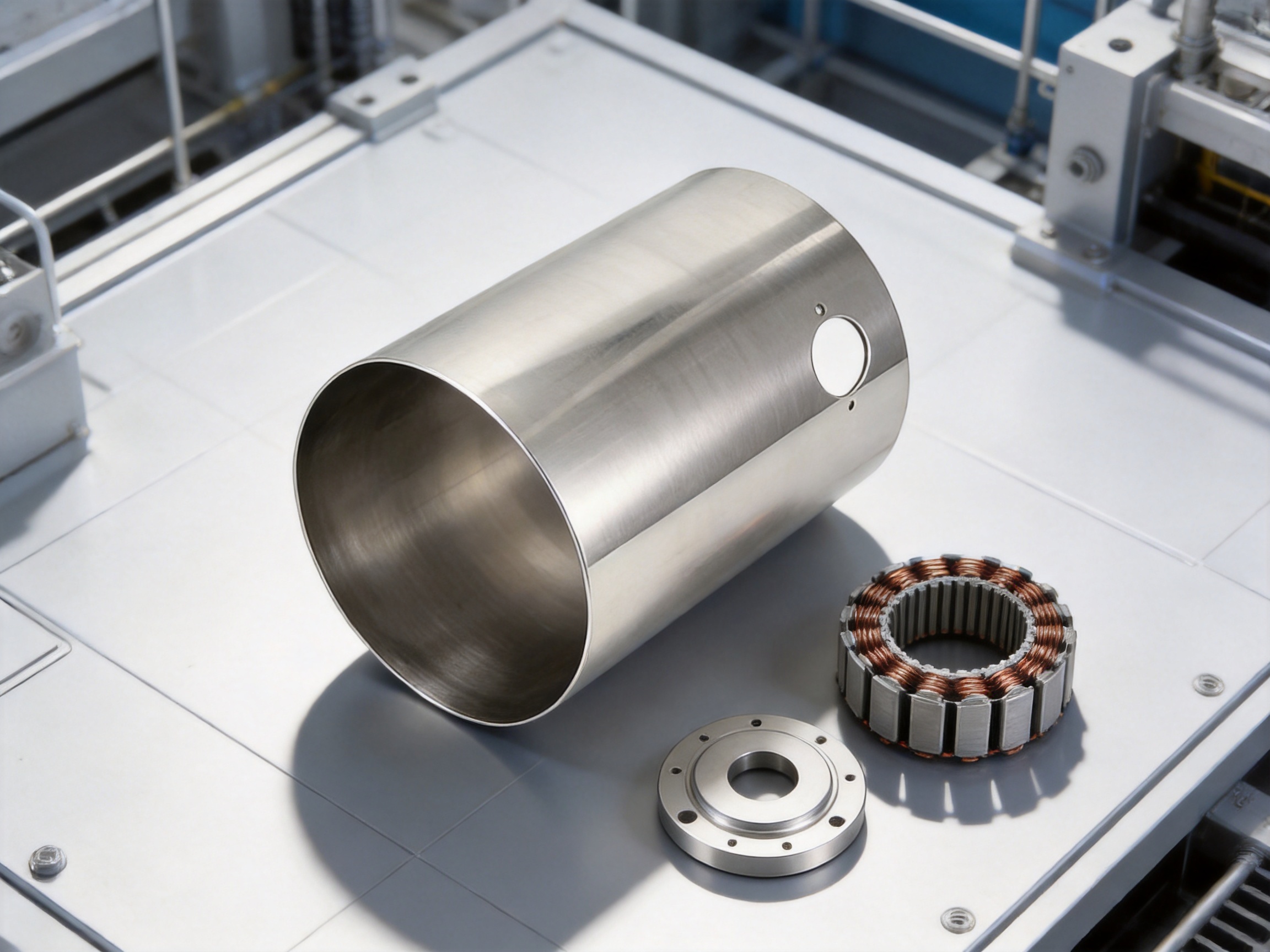
Comparison with Conventional Motor Housing Solutions
Motor housings are commonly produced from carbon steel, stainless steel, aluminum alloys, cast materials, or engineering plastics. Each material has advantages. The appropriate choice depends on motor size, load, environment, thermal requirements, cost targets, and production volume.
Comparison with Painted Carbon Steel
Painted carbon steel can provide strong structural performance at a competitive material cost. However, its corrosion protection depends heavily on coating quality, edge coverage, surface preparation, and long-term coating integrity. Scratches, impacts, cut edges, weld areas, and installation damage can expose the underlying steel to corrosion.
A 304 stainless steel housing can reduce dependence on an external paint layer for general corrosion protection. This may simplify finishing requirements and improve appearance retention in humid or frequently handled applications. It can also reduce the risk of coating flakes or damaged paint affecting adjacent components.
Carbon steel may still be preferable for some heavy-duty or cost-sensitive designs, particularly when a robust coating system is already established. The stainless steel option becomes more attractive when environmental exposure, cleanliness, appearance, or reduced finishing complexity is a priority.
Comparison with Aluminum Housings
Aluminum is lightweight and can offer good thermal conductivity. It may be suitable for portable motors, high-volume die-cast parts, and designs where weight reduction is a major objective. However, aluminum and stainless steel have different strength, stiffness, corrosion, joining, and dimensional behavior characteristics.
The 304 stainless steel housing provides a different performance balance. It emphasizes corrosion resistance, toughness, and structural durability rather than minimum weight. For equipment that operates in demanding industrial surroundings or requires a durable cylindrical shell, stainless steel can be an effective alternative.
Material selection should consider total assembly weight, heat transfer, electromagnetic requirements, manufacturing method, and the customer’s service environment. A stainless steel design may be selected when the durability and corrosion advantages outweigh the additional material mass.
Comparison with Plastic Housings
Engineering plastics can provide electrical insulation, low weight, and cost-effective molding for certain motor types. However, plastic performance can be influenced by temperature, chemical exposure, aging, impact, creep, and dimensional changes under load.
A 304 stainless steel housing provides a more rigid and temperature-stable structural enclosure for applications where metal protection is preferred. It can be a strong choice for motors exposed to vibration, mechanical contact, heat, or industrial handling.
Comparison with Generic Stainless Steel Housings
Not all stainless steel motor housings offer the same level of value. Material selection alone does not guarantee product performance. Consistent forming, controlled welding, accurate machining, reliable inspection, and stable supply are equally important.
The advantage of this product is the combination of a specified 304 stainless steel material with an integrated manufacturing system. Instead of treating the housing as a simple tube, the production process can address the complete component, including geometry, joining, dimensional accuracy, surface condition, and assembly compatibility.
| Evaluation factor | 304 stainless steel housing | Painted carbon steel housing | Aluminum housing | Plastic housing |
|---|---|---|---|---|
| General corrosion resistance | High in many common environments | Dependent on coating integrity | Generally good, depending on alloy and treatment | Good against selected chemicals, but material-specific |
| Structural durability | Strong and tough | Strong and economical | Lightweight with useful strength | Depends on polymer and reinforcement |
| Surface appearance | Clean and durable with suitable finishing | Depends on paint quality | Can be anodized, coated, or finished | Usually molded or coated |
| Weight | Higher than aluminum and many plastics | Comparable by design | Lower than steel | Usually low |
| Customization potential | High through forming, welding, and machining | High through forming and welding | High through casting, extrusion, and machining | High through molding |
| Typical selection reason | Corrosion resistance, toughness, appearance, and service life | Cost efficiency and structural strength | Low weight and thermal considerations | Insulation, low weight, and molded complexity |
Integrated Manufacturing Capabilities
The production of a reliable motor housing requires coordination among material preparation, forming, joining, machining, finishing, and inspection. Jiangsu Yufeng Electric Co., Ltd. provides these capabilities within an integrated manufacturing operation. This approach can improve communication between departments, reduce unnecessary external transfers, and support more consistent control of the finished component.
Material Preparation
Production begins with the selection and preparation of suitable 304 stainless steel material. Material thickness, width, surface quality, mechanical condition, and required certification should be aligned with the product drawing and production plan.
Proper material preparation supports stable forming and helps reduce defects caused by unsuitable stock. It also provides a foundation for traceability and process control. For customer projects that require material documentation, the applicable records can be established according to the agreed quality plan.
Stamping and Forming
Stamping and forming processes can produce cylindrical bodies and structural features with repeatable geometry. Tooling is developed around the required dimensions, material thickness, forming sequence, and expected production volume.
Controlled forming is important because stainless steel can respond differently from ordinary carbon steel during processing. Springback, work hardening, surface contact, edge quality, and forming force must be considered. Appropriate tooling design and process parameters can help maintain shape accuracy and reduce surface damage.
Forming may be used to create the main shell, flanges, steps, recesses, reinforcing ribs, or other features. Combining multiple features in a controlled forming sequence can reduce the need for separate parts and support efficient high-volume production.
Welding Assembly
When the motor housing requires welded components, welding provides a reliable method for joining the shell to end structures, brackets, rings, or other supporting features. Automated or semi-automated welding equipment can improve repeatability and help stabilize production speed.
Welding stainless steel requires attention to heat input, joint preparation, distortion, surface discoloration, spatter, penetration, and post-weld cleaning. Excessive heat may affect appearance or dimensional stability, while insufficient joining control may reduce structural reliability.
A controlled welding process can help maintain the relationship between the cylindrical body and attached components. This is important for concentricity, end alignment, bearing support, and subsequent machining. Weld inspection and cleaning can also improve the suitability of the housing for final assembly.
Machining
Machining is used to refine dimensions and create features that require a higher level of accuracy than forming alone can provide. Depending on the design, machining may include turning, boring, facing, drilling, tapping, slotting, reaming, or other operations.
For a housing with a nominal inner diameter of 139, machining may be used to achieve the required bore condition, end-face accuracy, groove geometry, or mounting interface. The actual machining sequence depends on the component design and the tolerance relationship between the inner diameter, outer diameter, end features, and mounting locations.
Machining after welding may be beneficial when welded distortion must be corrected or when a precise final interface is needed. The process should be planned to balance accuracy, cycle time, tool life, surface condition, and production cost.
Surface Treatment and Finishing
Stainless steel motor housings may require cleaning, deburring, passivation, polishing, brushing, or other finishing steps. These processes help remove contamination, improve appearance, smooth sharp edges, and prepare the part for assembly or service.
Finishing requirements depend on the application. A concealed industrial motor may require only functional cleaning and deburring, while a visible appliance component may require a more refined appearance. If the housing will contact seals, bearings, adhesives, or electrical insulation, the surface condition must also be compatible with those components.
Inspection and Quality Control
Inspection instruments are used to verify critical dimensions and confirm that the product meets the customer’s requirements. Depending on the project, inspection may include dimensional measurement, visual examination, wall thickness verification, inner diameter measurement, concentricity checking, weld inspection, surface review, and functional assembly checks.
Quality control should not be limited to final inspection. Monitoring key process conditions during forming, welding, machining, and finishing can help identify variation earlier. A process-oriented approach supports stable production and reduces the likelihood that nonconforming parts will continue through multiple operations.
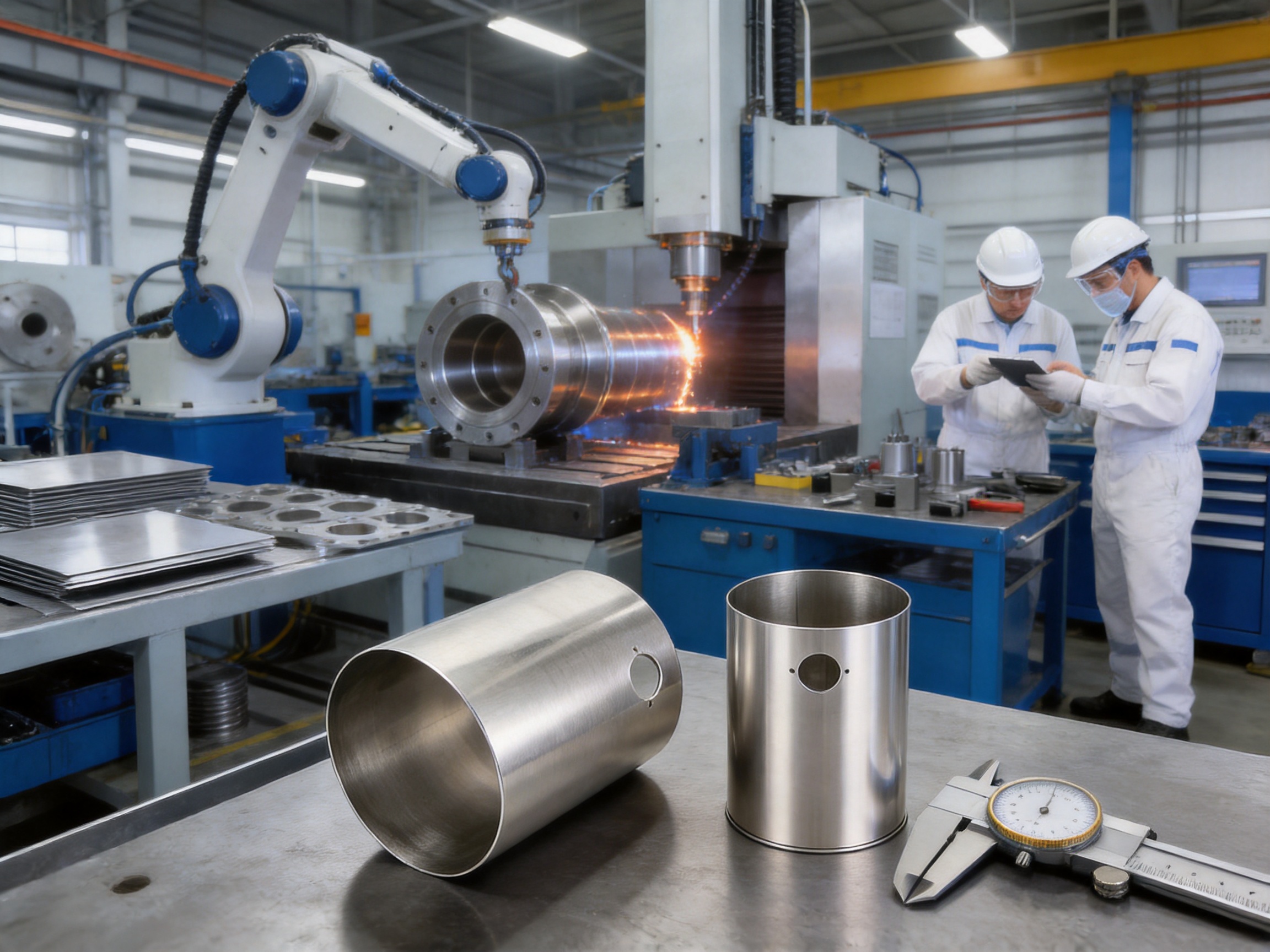
Engineering and Customization Support
A custom motor housing project normally begins with technical communication. The customer may provide a complete drawing, a three-dimensional model, a sample, or a basic performance requirement. The manufacturer can then review the design for manufacturability, material suitability, tooling requirements, welding access, machining sequence, inspection method, and expected production volume.
Design Review
Design review helps identify potential issues before tooling or mass production begins. Important review points include the 139 inner diameter, wall thickness, overall length, end-face condition, corner radii, mounting positions, hole patterns, weld locations, sealing areas, and assembly clearances.
A well-designed housing should support both motor performance and manufacturing efficiency. For example, excessively sharp corners may increase forming difficulty, narrow weld access may make joining less consistent, and unnecessary dimensional tolerances may raise production cost without improving motor function.
Prototype and Trial Production
Prototype production or trial runs can be used to verify formability, assembly fit, welding distortion, machining allowance, and surface requirements. The trial stage provides an opportunity to compare the housing with the stator, end cover, bearing structure, and other related parts.
Trial production is particularly useful when a housing is being developed for a new motor platform. It can reveal practical assembly conditions that are not obvious from a drawing alone, such as insertion force, access for fastening, seal compression, cable clearance, and the effect of component tolerance accumulation.
Tooling and Process Optimization
Tooling design affects dimensional repeatability, production speed, material utilization, and surface quality. Appropriate tooling can reduce unnecessary forming steps and help maintain stable geometry over long production runs.
Process optimization may also involve nesting, material utilization, welding sequence, machining sequence, automated handling, and inspection frequency. These improvements can reduce waste and support more predictable delivery for large orders.
Mass Production Support
Once the design and process have been confirmed, production can be organized around the required annual demand, batch size, delivery schedule, and quality standards. The supplier reports an annual production capacity of more than five million units across its manufacturing operations, supporting customers that require repeatable volume production.
Capacity alone is not enough to guarantee supply performance. Production planning, raw material preparation, tooling maintenance, work-in-process management, quality records, and responsive communication are also necessary. An experienced supplier can coordinate these areas to support stable deliveries and quick response to technical changes.
Applications
Household Appliances
Motor housings are used in a wide range of household appliances, including fans, pumps, compressors, ventilation products, kitchen equipment, cleaning appliances, and other electrically driven devices. In these applications, the housing may be exposed to humidity, cleaning activities, handling, vibration, and frequent operating cycles.
A 304 stainless steel housing can support a clean appearance and reliable protection where corrosion resistance is important. Its custom geometry can also be adapted to compact appliance layouts and specialized mounting structures.
Industrial Drives
Industrial motors often operate for long periods and may be exposed to dust, oil mist, moisture, vibration, and temperature variation. The motor housing must provide a stable protective structure while maintaining alignment among internal components.
The stainless steel option is suitable for industrial equipment where durability and corrosion resistance are valued. The availability of machining and welding support can help integrate mounting features, access openings, and other project-specific requirements.
New Energy Equipment
New energy vehicles and related equipment use numerous electric motors, pumps, actuators, and auxiliary drive systems. These products can require compact, precise, and durable motor components capable of supporting demanding production schedules.
A custom stainless steel housing may be considered for selected auxiliary motors and equipment where environmental resistance, structural integrity, and long-term reliability are important. The final choice depends on the system’s weight, thermal, electrical, and cost requirements.
Special Equipment
Special-purpose equipment often cannot use a standard motor housing because of unusual dimensions, installation constraints, or operating conditions. Custom manufacturing allows the housing to be adapted to the equipment’s space, connection method, environmental exposure, and performance requirements.
The Inner Diameter 139 304SS Motor Housing provides a reference platform for such projects while allowing additional features to be developed through forming, welding, machining, and finishing.
Performance Considerations During Product Development
Several technical factors should be reviewed before finalizing the housing design. These include operating temperature, motor speed, vibration, environmental exposure, assembly method, thermal behavior, sealing requirements, and expected service life.
Thermal expansion is important because the housing and internal components may not expand at exactly the same rate. Engineers should assess the fit between the housing and stator across the expected temperature range. Excessive interference can create assembly or operating stress, while insufficient retention can allow movement.
Vibration analysis may be necessary for high-speed or continuously operating motors. The housing geometry, wall thickness, welded features, and mounting interfaces can affect structural behavior. A rigid and well-aligned housing can support stable operation, but the entire motor assembly must be evaluated as a system.
Noise and vibration can also be influenced by roundness, concentricity, end-face alignment, bearing position, and the relationship between the housing and internal motor components. These characteristics should be controlled according to the motor’s performance requirements rather than evaluated in isolation.
Surface cleanliness is another consideration. Manufacturing residues, metal particles, weld discoloration, oil, and burrs should be controlled so they do not interfere with electrical insulation, bearings, seals, adhesives, or final assembly.
Quality and Reliability Advantages
The supplier’s manufacturing model combines stamping, welding assembly, machining, surface treatment, and inspection. This full-process capability can provide several advantages over a fragmented supply chain.
First, technical information can be communicated more directly between process teams. When a forming issue affects welding or when a welding feature affects machining, the relevant operations can be reviewed within one coordinated production system.
Second, integrated production can reduce the number of external transfers and handoffs. Fewer transfers may reduce handling damage, communication delays, packaging variation, and uncertainty regarding process responsibility.
Third, the supplier can coordinate process development with customer requirements. Instead of offering only a basic formed tube, it can support a more complete component solution that includes additional features and finishing operations.
Fourth, accumulated experience can help shorten the path from design review to stable production. The company reports 40 years of experience in motor housing manufacturing and service to more than 50 customers. This background provides practical knowledge of common housing structures, production challenges, and motor assembly requirements.
The engineering team is described as having an average of more than 20 years of experience. Such experience can be valuable when reviewing tolerance schemes, selecting processes, resolving forming or welding problems, and adapting a design for mass production.
Recommended Customer Specifications
To obtain an accurate quotation and production proposal, customers should provide as much technical information as possible. The following items are commonly useful:
1. Complete two-dimensional drawing and three-dimensional model, if available.
2. Material grade, material thickness, and any required material certification.
3. Inner diameter requirement, including the nominal value of 139 and its tolerance.
4. Outer diameter, housing length, end geometry, and wall thickness.
5. Concentricity, roundness, cylindricity, flatness, and perpendicularity requirements.
6. Stator fit, assembly method, insertion force, or retention requirements.
7. Mounting holes, slots, brackets, flanges, grooves, and cable openings.
8. Weld specifications, including weld location, appearance, penetration, and inspection expectations.
9. Surface treatment, appearance grade, cleaning, passivation, polishing, or brushing requirements.
10. Annual demand, order quantity, prototype requirements, and expected delivery schedule.
11. Operating environment, temperature range, humidity, chemical exposure, vibration, and service life.
12. Applicable quality standards, inspection reports, packaging requirements, and traceability expectations.
Clear information at the beginning of the project helps prevent unnecessary revisions and ensures that the selected manufacturing route is appropriate for the final application.
Packaging, Delivery, and Production Coordination
Motor housings can be vulnerable to scratches, dents, deformation, contamination, and edge damage during storage and transport. Packaging should therefore be selected according to the housing geometry, surface finish, stacking method, and delivery distance.
Protective separators, suitable wrapping, internal supports, and stable cartons or pallets can help preserve the finished condition. For machined or polished areas, additional protection may be required. Packaging should also prevent components from contacting one another in a way that could create surface marks.
Production coordination is especially important for customers operating assembly lines. Delivery quantities, batch identification, inspection status, and packaging orientation should be aligned with the customer’s receiving and production systems. Consistent packaging can reduce handling time and simplify line-side material management.
For repeat orders, production history can support improved planning. Tooling condition, prior inspection data, material consumption, and customer feedback can be used to maintain or improve the manufacturing process.
Frequently Asked Questions
What is the material of this motor housing?
The product is made from 304 stainless steel. This material is widely used for applications requiring a combination of corrosion resistance, toughness, formability, and a clean surface appearance.
What does the number 139 refer to?
The number 139 refers to the nominal inner diameter of the motor housing. The final tolerance, measurement method, and fit requirement should be confirmed through the customer’s technical drawing.
Can the inner diameter tolerance be customized?
Yes. The final inner diameter tolerance can be developed according to the motor assembly, stator fit, production process, and customer drawing. The required tolerance should be defined before tooling and mass production.
Can additional mounting features be added?
Additional features such as holes, slots, flanges, brackets, grooves, openings, and end structures can generally be developed through stamping, welding, machining, or a combination of these processes, subject to design review.
Is the product suitable for humid environments?
304 stainless steel provides good resistance to many common humid environments. However, suitability depends on humidity level, temperature, contaminants, cleaning chemicals, salt exposure, and the required service life. Highly corrosive chloride or chemical environments may require a different material evaluation.
Can the housing be welded?
Yes. Stainless steel motor housings can be joined with suitable welding processes. Welding parameters, joint design, heat input, distortion control, cleaning, and inspection should be selected according to the structure and appearance requirements.
Can machining be performed after forming or welding?
Yes. Machining can be used to refine the inner diameter, end faces, mounting locations, grooves, holes, and other critical features. Post-weld machining may be appropriate when accurate final interfaces are required.
What industries can use this housing?
Potential industries include household appliances, industrial drives, new energy equipment, special machinery, pumps, ventilation systems, and other motor-related applications. The actual suitability depends on the complete product design and operating conditions.
Does the supplier support prototype production?
The integrated engineering and manufacturing capabilities can support product development, trial production, process review, and transition to mass production. Prototype requirements should be discussed together with the drawing, quantity, tooling plan, and inspection expectations.
What information is needed for a quotation?
A drawing or model, material and thickness, inner diameter tolerance, overall dimensions, additional features, surface requirements, annual quantity, packaging needs, and delivery expectations are useful for preparing a reliable quotation.
How does stainless steel compare with painted steel?
Stainless steel provides inherent corrosion resistance in many environments, while painted steel relies on the long-term integrity of its coating. Painted carbon steel can remain attractive for cost-sensitive designs, but 304 stainless steel may be preferable where moisture, appearance, cleanliness, or reduced coating dependence is important.
Can the product be used in high-temperature applications?
304 stainless steel has useful temperature capability, but the complete motor design must be evaluated. Insulation, bearings, seals, welds, fit conditions, and thermal expansion can limit the operating temperature of the assembled motor.
What quality controls are available?
Quality control can include material verification, dimensional inspection, visual checks, weld inspection, machining verification, surface review, and assembly-related checks. The specific inspection plan should be agreed upon according to the drawing and customer quality requirements.
Conclusion
The Inner Diameter 139 304SS Motor Housing is a practical solution for motor applications that require a durable stainless steel enclosure with controlled internal geometry. Its 304 stainless steel construction offers corrosion resistance, toughness, formability, and a clean surface suitable for many household, industrial, new energy, and special equipment applications.
The product’s value extends beyond its material selection. A motor housing must be accurately formed, properly joined, correctly machined, carefully finished, and consistently inspected. Integrated capabilities in stamping, welding assembly, machining, surface treatment, and quality control help support this complete requirement.
Compared with conventional painted steel, aluminum, plastic, or generic stainless steel solutions, this housing can provide a balanced combination of environmental resistance, mechanical durability, customization potential, and production reliability. Its nominal 139 inner diameter offers a clear basis for motor integration while leaving room for customer-specific tolerances, mounting features, end structures, and finishing requirements.
With decades of experience in motor housing manufacturing, an engineering team with extensive practical knowledge, more than 50 customers served, and annual capacity exceeding five million units, the manufacturer is positioned to support both development projects and repeat mass production. Customers seeking a reliable custom housing should evaluate the complete technical drawing, operating environment, assembly method, quality requirements, and expected volume to ensure the product is optimized for its intended motor system.
References
1. Stainless Steel Handbook, general guidance on 304 stainless steel composition, corrosion resistance, forming, welding, and finishing.
2. Manufacturing Engineering Principles, guidance on stamping, sheet metal forming, machining, tolerance control, and production planning.
3. Electric Motor Design Fundamentals, discussion of motor housings, stator support, alignment, thermal behavior, and vibration control.
4. Welding Practice for Austenitic Stainless Steels, general recommendations for heat input, distortion control, weld cleaning, and inspection.
5. Industrial Dimensional Inspection Principles, guidance on inner diameter measurement, concentricity, roundness, flatness, and process verification.
6. Product information supplied for the Inner Diameter 139 304SS Motor Housing and integrated motor housing manufacturing capabilities.
7. Supplier information concerning stamping, welding assembly, machining, surface treatment, inspection equipment, engineering experience, production capacity, and application industries.
Product: Inner Diameter 139 304SS Motor Housing
 Previous