

 English
 Español
Content
- 1 Product Overview
- 2 Why a Heavy-Wall Housing Matters
- 3 Seamless Construction Compared with Welded Alternatives
- 4 Dimensional Accuracy and Assembly Stability
- 5 Material Characteristics of 20# Steel
- 6 Manufacturing Capabilities and Process Integration
- 7 Competitive Advantages of the Product
- 8 Applications and Industry Use
- 9 Installation and Design Considerations
- 10 Customization and OEM Cooperation
- 11 Why Work with an Integrated Manufacturer
- 12 Quality, Reliability, and Continuous Improvement
- 13 Ordering and Technical Review Checklist
- 14 Q&A
- 14.1 What is the main purpose of this product?
- 14.2 What are the key dimensions?
- 14.3 Why is the wall thickness described as heavy-wall?
- 14.4 What is the advantage of seamless steel tubing?
- 14.5 What material is used?
- 14.6 Can the housing be machined for a specific motor?
- 14.7 Can the product receive surface treatment?
- 14.8 Is the product suitable for high-vibration equipment?
- 14.9 Can the manufacturer support customized housings?
- 14.10 What industries can use this type of housing?
- 14.11 What information should be supplied when requesting a quotation?
- 14.12 What makes the manufacturer suitable for volume production?
- 15 Conclusion
- 16 References
- 17 Product: Inner Diameter 127 Heavy-Wall Motor Housing
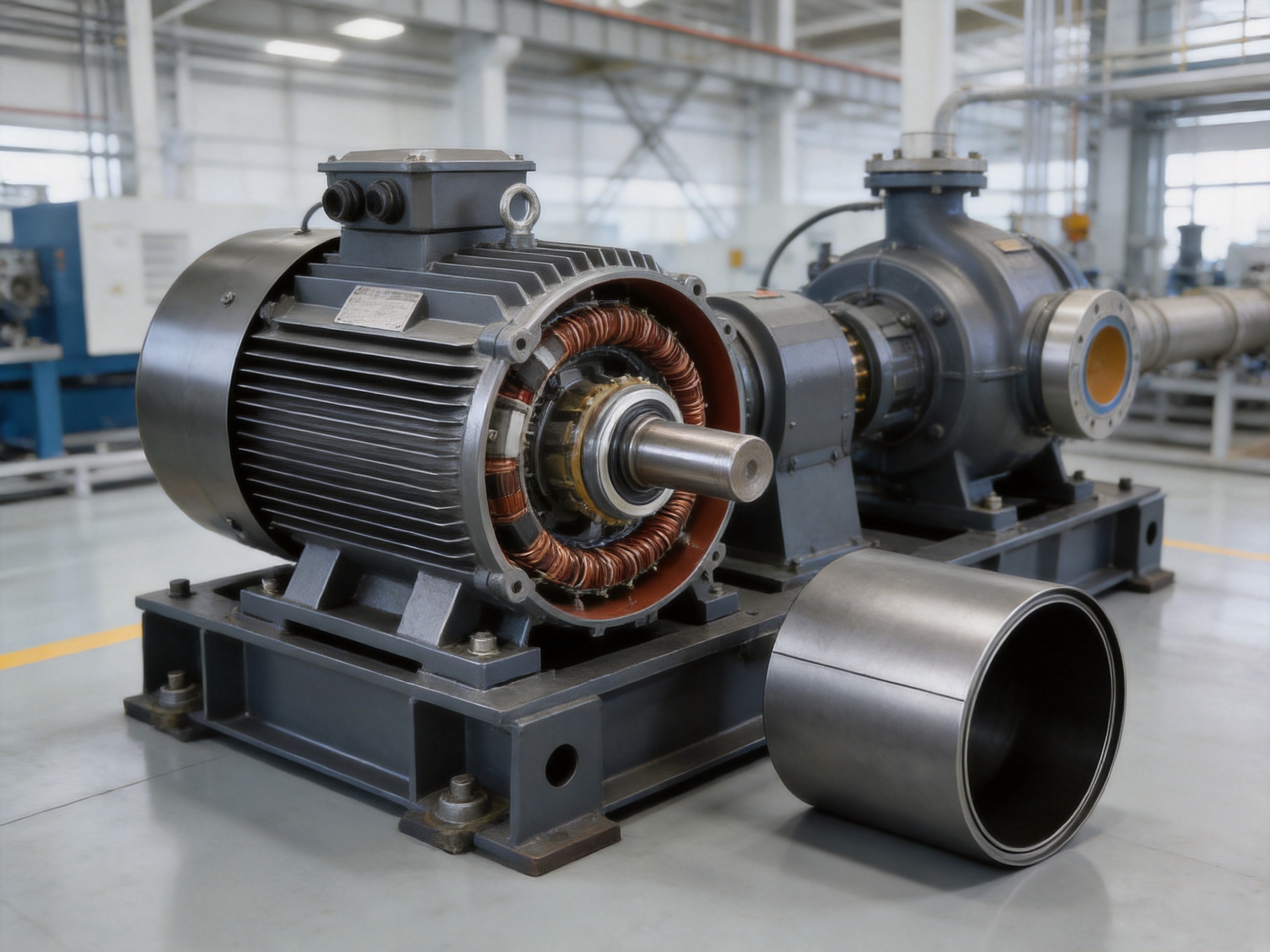
Motor housings are structural components that directly influence the reliability, service life, noise behavior, and operating stability of electric motors. Although a housing may appear to be a relatively simple cylindrical part, its performance depends on accurate dimensions, material consistency, wall thickness, geometric stability, surface quality, and resistance to mechanical and thermal loads. For demanding industrial equipment, a light or poorly controlled housing can become a source of vibration, misalignment, premature bearing wear, excessive noise, and maintenance interruptions.
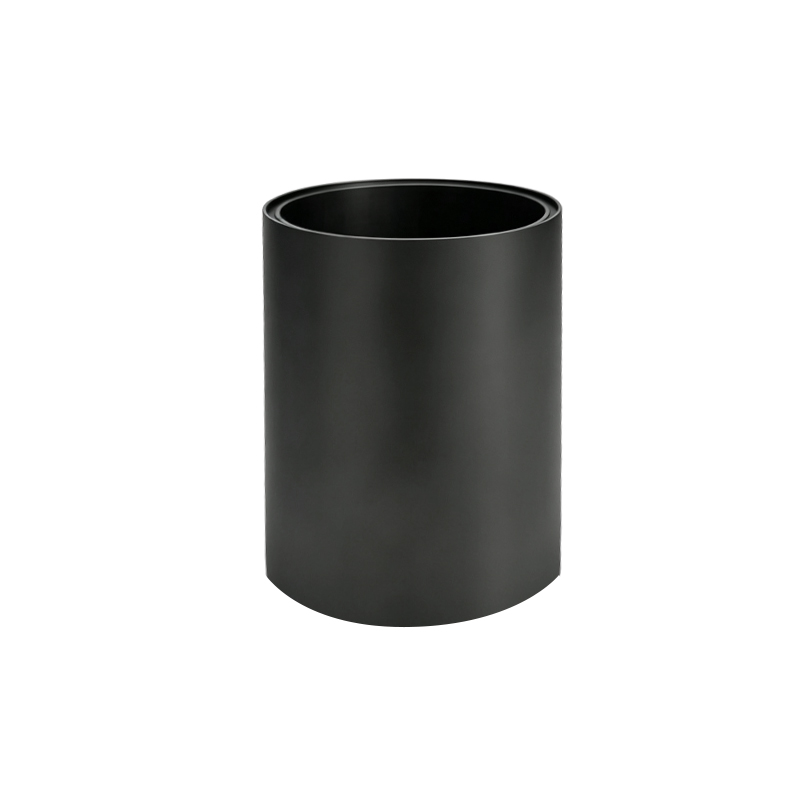
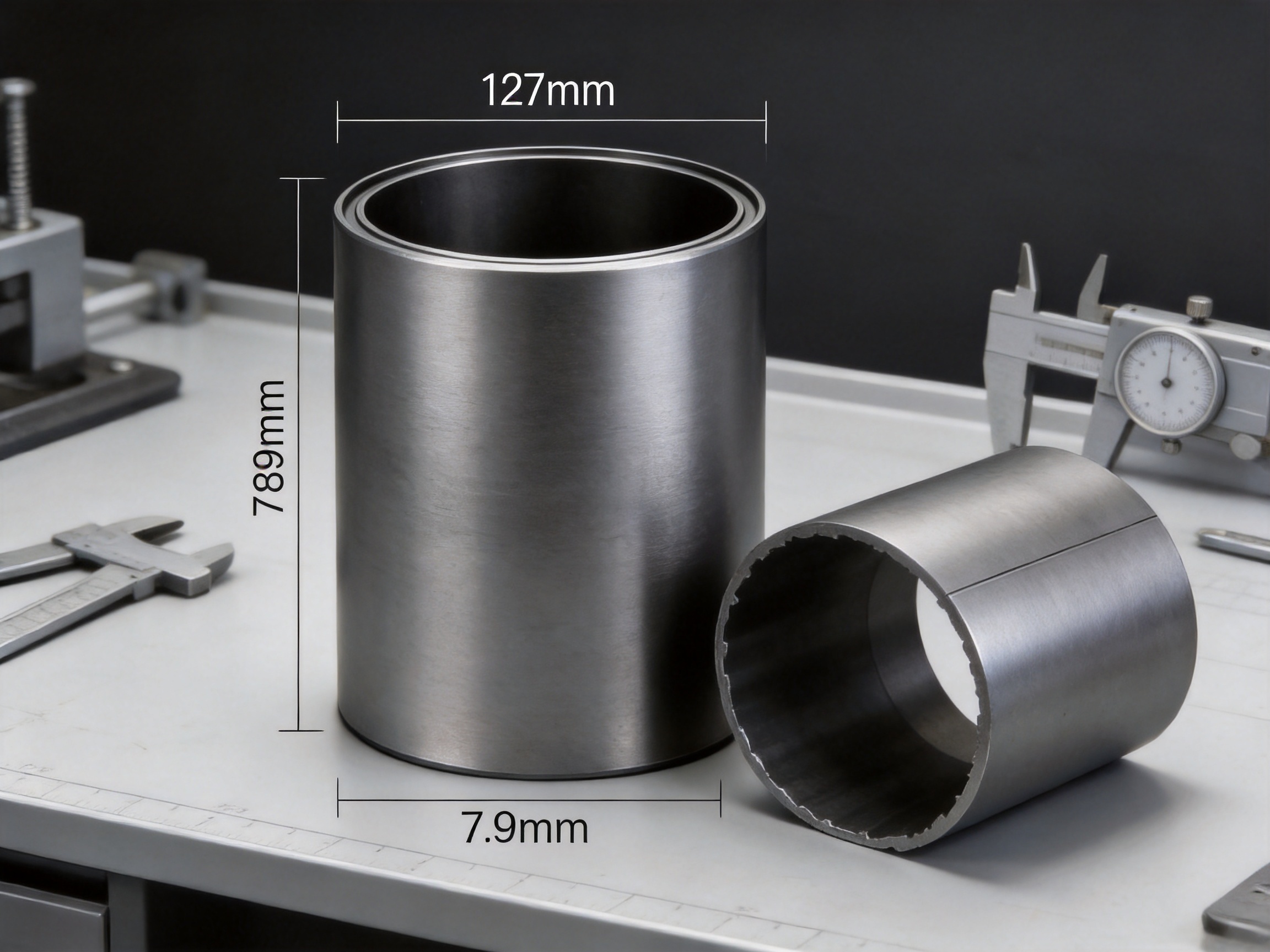
The Inner Diameter 127 Heavy-Wall Motor Housing is designed for applications requiring a strong, dimensionally accurate, and durable steel enclosure. Manufactured from seamless steel tubing, this housing has an inner diameter of 127 mm, a height of 189 mm, and a wall thickness of 7.9 mm. Its material specification is 20#, a commonly used carbon structural steel grade in China that provides a practical balance of strength, machinability, formability, and cost efficiency when properly processed for the intended application.
The product belongs to the Steel Tube Motor Housing category and is identified as ID127023. Its heavy-wall construction gives it a significant structural advantage over thinner housings, while its seamless, one-piece body avoids the discontinuities associated with conventional welded tube construction. These characteristics make it suitable for motor assemblies exposed to torque, vibration, repeated load cycles, and demanding industrial operating conditions.
Jiangsu Yufeng Electric Co., Ltd. manufactures this type of motor housing through an integrated production system covering steel processing, forming, welding assembly where required, machining, surface treatment, inspection, and delivery. Its in-house capabilities support closer control over quality and production coordination, from early product development through mass production. With approximately 40 years of motor housing manufacturing experience, an engineering team averaging more than 20 years of experience, and an annual production capacity exceeding five million units, the company is positioned to support both standard and customized motor housing programs.
Inner Diameter 127 Heavy-Wall Motor Housing
Product Overview
The Inner Diameter 127 Heavy-Wall Motor Housing is a cylindrical steel housing intended to support and protect the internal components of an electric motor. Its primary dimensional characteristic is a 127 mm internal diameter, which establishes the available radial space for the stator, insulation system, winding assembly, and related motor components. The 189 mm height defines the axial envelope of the housing and must be coordinated with the motor’s active length, end-shield arrangement, bearing system, and assembly method.
With a 7.9 mm wall thickness, the housing is substantially more robust than many light-duty steel shells. The additional material increases resistance to deformation and helps the housing retain its cylindrical shape under mechanical and assembly loads. This is especially important when the housing must maintain accurate alignment with end covers, bearings, stator components, or other precision-machined parts.
The housing is produced from seamless steel tubing rather than a tube made by joining a flat strip along a longitudinal weld. Seamless tube construction provides a continuous body with no longitudinal weld seam interrupting the cylindrical wall. This can improve structural uniformity and reduce the possibility of weld-related dimensional variation, local stress concentration, or seam-related fatigue concerns.
The product is intended for use as part of a motor assembly, not as an independent operating machine. Final application suitability depends on the complete motor design, including the stator fit, rotor clearance, shaft arrangement, bearings, end brackets, cooling system, operating speed, temperature range, electrical loading, and mounting configuration. Nevertheless, the housing provides a strong foundation for applications in industrial drives, household appliances, new energy equipment, special machinery, and other motor-driven systems.
Key Product Specifications
| Item | Specification | Engineering Significance |
|---|---|---|
| Product name | Inner Diameter 127 Heavy-Wall Motor Housing | Identifies the housing design and primary size category |
| Product code | ID127023 | Supports product identification and production communication |
| Category | Steel Tube Motor Housing | Indicates the cylindrical steel tube construction |
| Inner diameter | 127 mm | Defines the radial internal assembly space |
| Height | 189 mm | Defines the principal axial housing dimension |
| Wall thickness | 7.9 mm | Provides heavy-wall structural support and deformation resistance |
| Material specification | 20# | Provides a practical carbon steel material basis for processing and strength |
| Construction | Seamless, one-piece steel tubing | Reduces dependence on a longitudinal welded seam |
These dimensions should be treated as the core product identification data. Before production, customers should confirm all interface requirements, including end-face flatness, mounting features, bore tolerances, surface treatment, stator retention requirements, concentricity, roundness, and any machining allowances. Jiangsu Yufeng Electric can coordinate these details through its engineering and production process to support a complete drawing-based manufacturing program.
Why a Heavy-Wall Housing Matters
A motor housing must perform several functions at the same time. It protects internal components from external impact and contamination, provides a mounting structure, supports the stator or motor core, contributes to heat transfer, and helps maintain the alignment of rotating components. In many motor designs, the housing also participates in noise control and vibration management. These responsibilities mean that housing stiffness is not merely a material preference; it is an important part of overall motor performance.
A thin housing may be adequate for a low-load motor in a controlled environment, but it can be more vulnerable to distortion during assembly, transportation, installation, and operation. Local clamping forces, press-fitting forces, bolt loads, thermal expansion, and vibration can all influence the shape of the housing. If the cylindrical body loses roundness or becomes misaligned, the stator and rotor relationship may be affected.
The 7.9 mm wall thickness of this product gives designers a stronger structural base. A thicker wall generally increases resistance to local denting, buckling, and ovalization. It also provides more material for machining features, mounting interfaces, and controlled finishing operations. While the exact improvement depends on the housing diameter, loading conditions, steel properties, and geometry, a heavy-wall structure is typically better suited to applications where mechanical stability is a priority.
Resistance to Torque and Vibration
Electric motors generate torque through electromagnetic interaction between the stator and rotor. That torque is transferred through the shaft and motor frame into the machine structure. During starting, stopping, reversing, overload, or transient operation, the housing can experience changing reaction forces. A rigid housing helps maintain the relative position of internal components and reduces the possibility of structural movement.
Vibration loads may originate from rotor imbalance, bearing conditions, electromagnetic forces, gear connections, shaft misalignment, or external machinery. The housing must resist these loads without developing excessive deformation or fatigue damage. The seamless one-piece construction and heavy-wall design of the Inner Diameter 127 housing are well suited to this requirement because they provide continuous cylindrical support and substantial section thickness.
A strong housing does not eliminate all vibration. Proper balancing, bearing selection, shaft alignment, stator assembly, and system installation remain essential. However, the housing can provide a more stable platform that allows these other design measures to work effectively. A rigid enclosure is particularly valuable in equipment that operates continuously, cycles frequently, or is installed in a mechanically demanding environment.
Fatigue and Long-Term Durability
Repeated mechanical loading can gradually affect a motor housing even when individual loads remain below the material’s static strength. Fatigue performance depends on stress concentration, surface condition, material quality, geometry, weld details, operating frequency, and environmental conditions. A seamless body removes one major source of concern: a longitudinal weld seam with a heat-affected zone and potential geometric irregularity.
In a conventional welded tube, the seam may require careful control of penetration, alignment, residual stress, bead profile, and post-weld finishing. Poorly controlled welding can introduce local discontinuities or dimensional variation. By contrast, seamless tubing provides a continuous wall structure from the starting material. This does not make the housing immune to fatigue, but it can reduce seam-related risks and provide a more uniform basis for subsequent machining and assembly.
The heavy-wall design also distributes mechanical loads through a larger cross-sectional area. In practical terms, this can reduce local stress levels under the same external load, depending on the housing geometry and support conditions. For high-cycle applications, customers should still evaluate the complete assembly and operating profile, but the product’s construction is aligned with the requirements of long service life and reliable structural performance.
Seamless Construction Compared with Welded Alternatives
Steel motor housings are commonly produced through several methods, including rolled and welded sheet, welded tube, drawn tube, cast metal, and machined solid material. Each method has advantages and limitations. The appropriate choice depends on production volume, geometry, material requirements, dimensional tolerances, cost targets, and operating conditions.
The main advantage of seamless tubing is continuity. The cylindrical wall is not interrupted by a longitudinal joint. This can help provide more consistent mechanical behavior around the circumference and reduce the need to manage weld-related defects. For applications exposed to vibration and repeated loading, the absence of a longitudinal weld can be an important consideration.
Welded housings may offer flexibility in raw material selection and can be economical for certain sizes or low-volume designs. However, the welded region requires additional quality controls. The weld can influence roundness, straightness, residual stress, hardness, surface condition, and machining allowance. If the housing includes a precision internal fit, these factors may affect downstream processing and assembly.
The seamless structure also supports a clean internal surface before machining or finishing. This can be useful where the stator or another internal component must be installed with controlled interference, transition, or clearance. A stable internal geometry can simplify process development and reduce the risk of localized interference during assembly.
Comparison of Construction Options
| Characteristic | Seamless heavy-wall steel housing | Conventional welded tube housing |
|---|---|---|
| Longitudinal seam | No longitudinal weld seam | Contains a longitudinal welded region |
| Structural continuity | Continuous cylindrical wall | Wall continuity depends on weld quality and heat control |
| Fatigue considerations | Fewer seam-related fatigue concerns | Weld geometry and heat-affected zone require evaluation |
| Dimensional behavior | Suitable for controlled machining and finishing | Welding may introduce distortion or residual stress |
| Wall thickness | 7.9 mm heavy-wall design | Varies according to design and manufacturing method |
| Typical application value | High structural stability and long-term durability | Flexible and potentially economical for selected designs |
This comparison does not mean that every welded housing is unsuitable or that every seamless housing is automatically superior in every application. Manufacturing quality, steel selection, dimensional control, heat treatment, machining, and inspection all affect final performance. The advantage of this product is that its seamless, heavy-wall configuration directly addresses two important concerns for demanding motor applications: structural continuity and resistance to deformation.
Dimensional Accuracy and Assembly Stability
The 127 mm inner diameter is central to the function of this housing. The internal diameter must be coordinated with the dimensions of the stator core or other installed components. Depending on the motor design, the assembly may require a controlled clearance, interference fit, shrink fit, adhesive retention, mechanical locking, or a combination of these methods. Each approach requires reliable control of diameter, roundness, taper, and surface condition.
Dimensional accuracy also affects rotor clearance. The rotor must rotate inside the stator without unacceptable eccentricity or contact. Even a small housing distortion can contribute to uneven air gaps, electromagnetic noise, reduced efficiency, or mechanical rubbing. A robust tube with appropriate machining and inspection provides a stronger foundation for maintaining the required geometry.
The height of 189 mm is equally important. Axial dimensions influence the location of the stator, the relationship between the housing and end covers, and the available space for winding and insulation systems. If the height is incorrect or the end faces are not sufficiently controlled, assembly pressure may be uneven or the motor’s internal stack-up may shift.
For customer-specific programs, the nominal dimensions are only the starting point. Production drawings may define tolerances for internal diameter, outer diameter, height, perpendicularity, parallelism, concentricity, cylindricity, roundness, and end-face flatness. Jiangsu Yufeng’s machining and inspection capabilities allow these requirements to be incorporated into a controlled manufacturing plan.
Machining Considerations
Machining may be used to refine the internal bore, face the ends, create grooves, add mounting holes, produce locating steps, or prepare interfaces for end brackets and other components. The 7.9 mm wall provides useful material depth for machining while retaining a strong structural section after material removal.
Machining parameters must be selected to control heat generation, tool pressure, vibration, and deformation. A thin shell can flex during turning or boring, making it more difficult to maintain consistent dimensions. A heavier wall generally provides better support during clamping and cutting. This can improve process stability and contribute to more repeatable results from part to part.
Clamping methods are also important. Excessive chuck pressure can distort the housing during machining, while insufficient support can permit movement or chatter. A qualified manufacturing process uses suitable fixtures, controlled clamping force, appropriate cutting tools, and inspection at relevant stages. The goal is not merely to achieve a nominal diameter once, but to maintain stable geometry across a production batch.
Material Characteristics of 20# Steel
The specified material is 20#, a low-carbon steel designation commonly used in Chinese manufacturing. This material is widely recognized for its balance of machinability, weldability, toughness, and general mechanical performance. Its relatively low carbon content supports forming and machining operations, while the material can provide adequate strength for many structural motor housing applications when the design and processing conditions are appropriate.
Material selection must always be considered together with wall thickness, geometry, heat treatment, loading, and environmental exposure. The designation alone does not define the complete performance of a finished housing. Customers may require material certificates, chemical composition verification, mechanical property documentation, or additional testing depending on the application and quality system.
For this product, 20# steel provides a practical basis for producing a robust housing without the cost and processing requirements associated with more highly alloyed materials. It is suitable for a broad range of industrial motor applications where a strong carbon steel enclosure is preferred. If a customer requires stainless steel, enhanced corrosion resistance, special mechanical properties, or a different material standard, the manufacturing program can be reviewed accordingly.
Surface treatment is another consideration. Depending on the operating environment, the housing may require cleaning, anti-rust protection, painting, powder coating, plating, or another finishing method. Surface preparation must be compatible with the steel substrate and the motor’s thermal, electrical, and environmental requirements. Any treatment should also preserve critical dimensions and avoid contamination of internal assembly surfaces.
Manufacturing Capabilities and Process Integration
Jiangsu Yufeng Electric Co., Ltd. is a professional motor housing manufacturer with integrated capabilities in product development, steel processing, stamping, welding assembly, machining, surface treatment, inspection, and final delivery. This full-process structure is important because motor housings are not defined by raw material alone. Their performance depends on how consistently each production stage is connected to the next.
In a fragmented supply chain, raw tube production, forming, machining, finishing, and assembly may be distributed among several suppliers. This can increase communication time and make it more difficult to identify the source of dimensional or quality variation. An integrated manufacturer can coordinate process parameters, drawing revisions, inspection requirements, and production scheduling within one organization.
Engineering and Product Development
The process begins with technical communication. Customer drawings, three-dimensional models, samples, specifications, tolerances, packaging requirements, and application conditions are reviewed before production. Engineering personnel can assess the feasibility of the selected material, wall thickness, machining allowance, forming approach, and inspection plan.
For a 127 mm inner-diameter housing, engineering review may cover the relationship between the tube’s starting dimensions and the finished internal bore. It may also evaluate end-face machining, stator retention, mounting points, ventilation features, and compatibility with the customer’s existing assembly line. This stage helps identify potential issues before tooling, fixtures, or mass production are initiated.
Design-for-manufacturing feedback can be especially valuable when customers are developing a new motor platform. Small changes to chamfers, locating surfaces, hole positions, corner radii, or machining allowances may improve production yield without affecting the motor’s functional performance. Early engineering collaboration can therefore reduce later modifications and shorten the transition from prototype to volume production.
Steel Processing and Tube Preparation
Raw steel tubing must be selected and prepared according to the product specification. Important considerations include material grade, wall thickness, internal and external dimensions, straightness, surface quality, and length allowance. Seamless tubing provides the basic one-piece cylindrical structure, but the starting tube still requires inspection and controlled preparation.
Cutting operations must produce clean and consistent ends. Excessive burrs, angular cuts, or heat-affected areas can interfere with subsequent machining and assembly. Tube preparation may include deburring, cleaning, straightening, or other controlled steps before the housing enters the next production stage.
When multiple operations are performed on the same component, traceability becomes important. Material batches, production orders, process routes, inspection records, and nonconformance actions should be connected through internal production controls. This supports more reliable analysis if a customer later identifies a dimensional or application-related issue.
Forming, Stamping, and Welding Assembly
Although the featured product uses seamless steel tubing as its main body, motor housing programs may include additional stamped or formed parts. These can include brackets, covers, mounting plates, reinforcement elements, or other components that are attached to the housing. Jiangsu Yufeng’s stamping and welding assembly capabilities allow these associated operations to be coordinated with the main housing production.
Where welding is required for secondary components, process control remains essential. Welding parameters, fixture positioning, joint design, heat input, and post-weld inspection all influence dimensional stability. The seamless main shell retains its continuous cylindrical structure while supporting the integration of other motor components or mounting features.
Automated welding equipment can improve repeatability by controlling torch movement, timing, current, and positioning. Automation does not replace engineering judgment or inspection, but it can reduce variation associated with manual operations and help maintain consistent production rates in larger programs.
Precision Machining
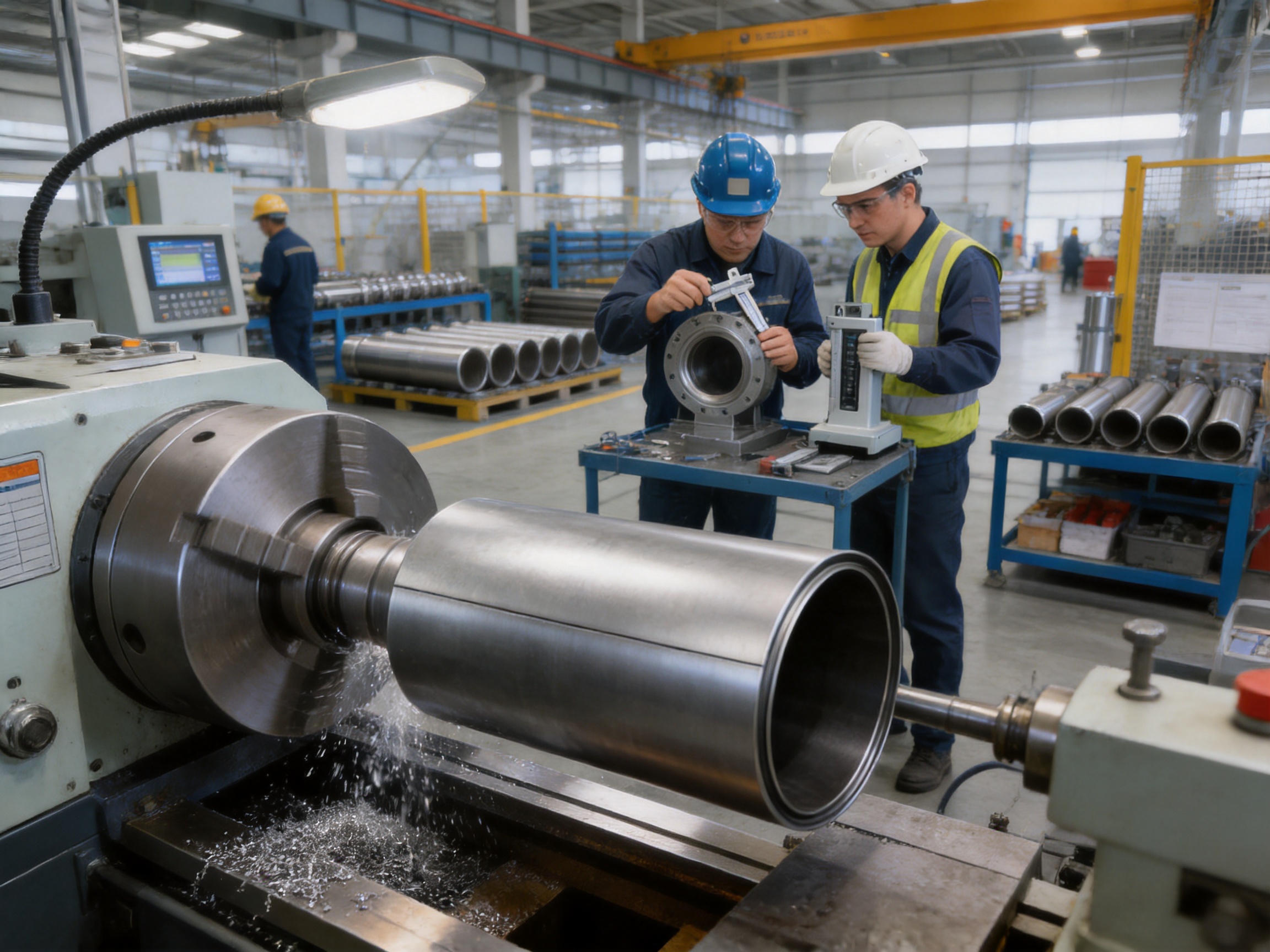
Machining converts the prepared steel tube into a functional motor housing with controlled interfaces. Typical operations may include turning, boring, facing, drilling, tapping, grooving, chamfering, and deburring. The exact route depends on the customer drawing and motor design.
For the Inner Diameter 127 housing, internal machining may be required to achieve the final stator interface. End machining may be used to establish accurate reference faces for end covers or brackets. External machining may create steps, locating diameters, mounting surfaces, or other features needed for motor installation.
Machining accuracy is influenced by equipment condition, fixture rigidity, tool wear, thermal changes, operator training, and inspection frequency. An experienced manufacturer manages these variables through process instructions, first-piece approval, in-process checks, tool-life control, and final inspection. These measures help ensure that the housing remains consistent throughout a production order rather than only meeting requirements at the beginning of the run.
Surface Treatment and Protection
Steel housings may require surface treatment to improve corrosion resistance, appearance, cleanability, or compatibility with the final motor environment. Surface treatment options depend on the application and may include protective oil, painting, powder coating, plating, or other specified finishes.
Before finishing, the housing must be appropriately cleaned and prepared. Oil, scale, chips, dust, and residues can interfere with coating adhesion or contaminate internal motor components. Masking may be required on precision bores, grounding areas, threaded holes, or assembly interfaces. The finishing process must also maintain the dimensional requirements of the 127 mm internal diameter and other critical features.
In industrial equipment, surface treatment can contribute to longer service life by reducing exposure to moisture, dust, and corrosive substances. However, the treatment should be selected based on actual conditions. Temperature, humidity, chemicals, salt exposure, abrasion, and cleaning methods all influence the appropriate surface protection system.
Inspection and Quality Control
Inspection is necessary to verify that the finished housing meets the agreed technical requirements. Typical checks may include material identification, inner diameter, outer diameter, height, wall thickness, roundness, straightness, end-face condition, hole location, surface quality, and coating condition.
For precision motor housings, dimensional inspection should be linked to functional requirements. Measuring the internal diameter alone may not be sufficient if roundness, taper, or concentricity affects stator installation. Similarly, a correct height may not guarantee proper assembly if the end faces are not perpendicular to the housing axis.
Inspection instruments may include micrometers, bore gauges, calipers, height gauges, coordinate measuring equipment, roundness equipment, surface roughness instruments, and other tools selected for the required tolerance. The manufacturer’s inspection instruments and procedures should be matched to the customer’s quality expectations and drawing requirements.
Quality records can provide evidence of conformity and support process improvement. Depending on the order, customers may request inspection reports, material certificates, sample approvals, capability data, or traceability documentation. These requirements should be agreed before mass production so that the inspection plan is properly integrated into the manufacturing route.
Competitive Advantages of the Product
The Inner Diameter 127 Heavy-Wall Motor Housing offers several advantages over lighter, less rigid, or conventionally welded alternatives. These advantages are most relevant when the motor operates under significant mechanical load, repeated vibration, or demanding service conditions.
1. Continuous Seamless Structure
The seamless body eliminates a longitudinal welded seam in the main cylindrical wall. This supports a more uniform structure around the circumference and reduces the need to manage weld-related concerns in the primary load-bearing shell. The result is a housing well suited to applications where fatigue resistance, torsional strength, and structural continuity are important.
2. Heavy-Wall Mechanical Strength
The 7.9 mm wall thickness gives the housing a strong section capable of resisting local deformation and maintaining dimensional stability. Compared with a thin-wall shell, it offers greater resistance to denting, ovalization, and distortion during assembly and operation. This can be particularly valuable for heavy-duty industrial equipment.
3. Stable Internal Geometry
A rigid housing helps protect the relationship between the stator, rotor, bearings, and end covers. Stable geometry supports more consistent air-gap control and can reduce the risk of performance problems associated with housing deformation or misalignment.
4. Better Support for Precision Machining
The heavy wall provides more material and greater stiffness during turning, boring, facing, and drilling. This can help reduce cutting vibration and improve repeatability, especially when the housing requires controlled internal fits or accurately positioned mounting features.
5. Suitable Balance of Performance and Cost
20# steel provides a practical material solution for many motor applications. It offers useful processing characteristics without automatically requiring the higher material cost of stainless steel or specialized alloy steel. When combined with seamless tube construction and controlled machining, it can provide a strong value proposition for industrial production.
6. Adaptability to Different Motor Programs
The basic housing can serve as a platform for different motor configurations. Depending on the drawing, the housing may be machined or assembled with mounting features, end interfaces, surface treatments, and other details. This adaptability supports product development, replacement programs, and volume manufacturing.
Applications and Industry Use
The product is suitable for motor systems where structural reliability and dimensional stability are important. Potential applications include industrial drives, pumps, fans, compressors, conveyors, machine tools, household appliances, new energy equipment, and special-purpose machinery. Final suitability must be verified against the complete motor specification and operating environment.
In industrial drives, motors may run for long periods under relatively constant load or experience frequent starts and stops. The heavy-wall housing can provide the rigidity needed for stable mounting and long-term vibration resistance. In pumps and fans, the housing may be exposed to continuous operation and external vibration from connected equipment. A strong enclosure can help maintain the alignment of internal motor components.
For household appliances, the product’s size and construction would need to match the appliance design, production volume, noise requirements, and cost target. Although heavy-wall construction may be more than necessary for some light-duty appliances, it can be advantageous in products where durability, low vibration, or a long service interval is required.
New energy equipment and special machinery often impose strict requirements on reliability, packaging, thermal behavior, and resistance to changing loads. The housing can be evaluated as part of a broader system that may include electric powertrains, auxiliary motors, actuators, pumps, or other motor-driven modules.
Installation and Design Considerations
Proper installation is essential to obtain the full value of a high-strength motor housing. The housing should be supported at its intended mounting points, and fasteners should be tightened according to the motor assembly specification. Uneven mounting surfaces or excessive bolt loads can distort even a robust housing.
Customers should verify the fit between the 127 mm internal diameter and the mating motor component. If an interference fit is required, the interference value should be calculated according to material properties, assembly temperature, component geometry, and operating temperature. Excessive interference can generate unnecessary stress, while insufficient interference can permit movement or fretting.
End covers and bearing brackets should be aligned with the housing axis. If the design uses machined locating steps, those features should be kept clean and free from burrs or coating buildup. Any debris between mating faces can produce angular misalignment or uneven clamping.
Thermal expansion should also be considered. During operation, the motor housing and internal components may heat at different rates. The housing material, wall thickness, cooling method, and mounting structure all influence thermal behavior. A complete design review should evaluate the internal clearances and fits at both ambient and operating temperatures.
Electrical grounding requirements must be addressed when the housing forms part of the motor’s protective structure. Surface coatings, fasteners, grounding straps, and contact surfaces should be designed so that electrical continuity is maintained where required. These details are application-specific and should be defined in the motor’s electrical and safety documentation.
Customization and OEM Cooperation
Although the featured product is identified by its 127 mm inner diameter, motor housing projects frequently require customized dimensions or features. Customers may need alternative heights, wall thicknesses, materials, mounting holes, end-face configurations, grooves, ventilation openings, surface treatments, or packaging arrangements.
Customization begins with complete technical information. Useful documents include two-dimensional drawings, three-dimensional models, material specifications, tolerance tables, annual demand, prototype quantities, inspection requirements, and application conditions. Samples or existing components can also assist engineering evaluation, provided that their dimensions and performance requirements are clearly documented.
Jiangsu Yufeng Electric’s integrated capabilities support OEM and contract manufacturing cooperation. The company can provide technical input during development, coordinate tooling and fixtures, carry out sample production, perform machining and finishing, and organize mass production. This reduces the number of interfaces a customer must manage during project development.
Production planning should distinguish between prototype, pilot, and mass-production requirements. A prototype may focus on dimensional validation and assembly testing. A pilot run evaluates process repeatability and identifies potential manufacturing risks. Mass production requires stable cycle times, material availability, inspection plans, packaging control, and continuous quality monitoring.
Fast technical response is particularly important when customers are adapting a housing to a new motor. Changes made after tooling or mass production can be expensive and time-consuming. Early communication helps establish realistic tolerances, clarify critical characteristics, and select the most effective process route.
Why Work with an Integrated Manufacturer
A motor housing supplier should be evaluated not only by the price of an individual part but also by its ability to provide stable quality, engineering support, delivery reliability, and long-term cooperation. An integrated manufacturer can offer advantages in each of these areas.
Jiangsu Yufeng Electric combines stamping, welding assembly, machining, surface treatment, and inspection resources. This allows the company to coordinate multiple operations under one production organization. It also supports better communication between engineering, manufacturing, quality, and delivery teams.
The company’s approximately 40 years of experience in motor housing manufacturing provides a substantial base of process knowledge. Its products serve household appliances, industrial drives, new energy vehicles, and special equipment. This range of applications exposes the organization to different requirements related to dimensional accuracy, vibration, strength, appearance, corrosion protection, and production volume.
An annual production capacity of more than five million units indicates the ability to support volume programs, while experience with more than 50 customers demonstrates familiarity with different customer expectations and product configurations. Capacity alone does not guarantee quality, but when combined with engineering resources, automated equipment, machining facilities, and inspection instruments, it can support a more organized supply program.
The company’s engineering team has an average of more than 20 years of experience. Experienced engineers can contribute to drawing review, process planning, tooling decisions, tolerance analysis, problem solving, and production improvement. This is valuable when a customer requires a housing that must fit an existing motor platform or meet demanding assembly conditions.
Quality, Reliability, and Continuous Improvement
Quality should be considered throughout the product life cycle rather than only at final inspection. Material control, equipment maintenance, tooling condition, operator training, process instructions, measurement systems, and nonconformance management all contribute to the finished housing.
For the Inner Diameter 127 housing, critical quality characteristics may include the internal diameter, wall thickness, height, roundness, concentricity, end-face geometry, and surface condition. These characteristics should be identified during engineering review and monitored according to their importance to motor assembly and performance.
Continuous improvement may involve reducing machining variation, improving fixture support, optimizing cutting tools, shortening production cycles, reducing material waste, improving coating consistency, or enhancing inspection efficiency. Because the company controls multiple manufacturing stages, improvement in one process can be evaluated against its effect on downstream assembly and final product quality.
Customer feedback is also an important part of improvement. Reports concerning fit, noise, vibration, coating, packaging, or delivery can be reviewed to determine whether a design change, process adjustment, inspection improvement, or communication update is required. Long-term supplier relationships are strengthened when issues are addressed systematically rather than treated as isolated events.
Ordering and Technical Review Checklist
Before placing an order for this motor housing, customers should confirm the basic product identity: Inner Diameter 127 Heavy-Wall Motor Housing, product code ID127023, 127 mm inner diameter, 189 mm height, 7.9 mm wall thickness, seamless steel tube construction, and 20# material specification.
The customer should then confirm the complete drawing and all tolerances. Important details include internal and external diameters, length or height, roundness, straightness, concentricity, end-face flatness, hole locations, thread specifications, chamfers, grooves, mounting features, and any required machining allowances.
Surface requirements should be specified clearly. These may include raw steel, protective oil, painted finish, powder coating, plating, or another treatment. The required color, thickness, masking areas, corrosion resistance, and appearance standard should be documented if applicable.
Inspection and documentation requirements should also be agreed. Customers may require material certificates, dimensional reports, sample approval, first-article inspection, process capability data, or batch traceability. Packaging should protect machined surfaces and prevent impact, corrosion, contamination, or deformation during transport.
| Review area | Questions to confirm |
|---|---|
| Dimensions | Are the 127 mm inner diameter and 189 mm height correct for the motor design? |
| Wall thickness | Is the 7.9 mm heavy-wall construction suitable for the expected loads? |
| Material | Is 20# steel acceptable, or is another material required? |
| Interfaces | What are the stator, end-cover, bearing, and mounting requirements? |
| Machining | Which bores, faces, holes, grooves, and locating features require finishing? |
| Surface treatment | What corrosion protection and appearance requirements apply? |
| Inspection | Which dimensions, tests, reports, and traceability records are required? |
| Delivery | What are the prototype quantity, annual demand, lead time, and packaging conditions? |
Q&A
What is the main purpose of this product?
The Inner Diameter 127 Heavy-Wall Motor Housing provides a strong cylindrical enclosure and structural support for an electric motor. It helps protect internal components, maintain assembly alignment, resist vibration, and support reliable motor operation.
What are the key dimensions?
The housing has a 127 mm inner diameter, a 189 mm height, and a 7.9 mm wall thickness. These are the primary product dimensions and should be verified against the customer’s motor design and drawing requirements.
Why is the wall thickness described as heavy-wall?
The 7.9 mm wall is designed to provide higher rigidity and greater resistance to deformation than a light-wall housing. It supports applications where the housing may experience torque, vibration, clamping loads, repeated cycling, or demanding industrial service.
What is the advantage of seamless steel tubing?
Seamless tubing provides a continuous one-piece cylindrical body without a longitudinal weld seam in the main wall. This can improve structural uniformity and reduce seam-related concerns involving residual stress, local discontinuities, dimensional variation, and fatigue behavior.
What material is used?
The listed material specification is 20#, a low-carbon steel grade commonly used in Chinese manufacturing. It offers a practical balance of strength, machinability, formability, and cost for many motor housing applications.
Can the housing be machined for a specific motor?
Yes. Depending on the customer’s drawings, the housing can be processed with internal boring, end facing, drilling, tapping, grooves, chamfers, mounting features, and other required interfaces. Final tolerances and machining operations should be confirmed during engineering review.
Can the product receive surface treatment?
Surface treatment can be considered according to the application. Options may include protective oil, painting, powder coating, plating, or another specified finish. The treatment must be selected to suit the environment and must not compromise critical assembly dimensions.
Is the product suitable for high-vibration equipment?
The seamless construction and heavy-wall design make the housing suitable for consideration in applications involving vibration and repeated mechanical loading. However, the complete motor system must also be evaluated, including rotor balance, bearings, shaft alignment, mounting, and operating conditions.
Can the manufacturer support customized housings?
Yes. Jiangsu Yufeng Electric provides product development and integrated manufacturing services that can support customized dimensions, machining features, mounting arrangements, surface treatments, and production requirements.
What industries can use this type of housing?
Potential industries include industrial drives, household appliances, new energy equipment, special machinery, pumps, fans, compressors, conveyors, and other motor-driven systems. Application suitability depends on the complete technical specification.
What information should be supplied when requesting a quotation?
Customers should provide drawings or models, material requirements, critical tolerances, annual demand, prototype quantity, surface treatment requirements, inspection documentation, packaging needs, and application information such as load, speed, temperature, and vibration conditions.
What makes the manufacturer suitable for volume production?
Jiangsu Yufeng Electric has integrated stamping, welding assembly, machining, surface treatment, and inspection capabilities. The company reports approximately 40 years of motor housing manufacturing experience, annual capacity exceeding five million units, and engineering personnel with an average of more than 20 years of experience.
Conclusion
The Inner Diameter 127 Heavy-Wall Motor Housing is designed for motor applications that require strength, dimensional stability, and reliable long-term performance. Its 127 mm inner diameter, 189 mm height, and 7.9 mm wall thickness provide a substantial structural platform for industrial motor assemblies. The use of seamless steel tubing creates a continuous cylindrical body, while the heavy-wall configuration improves resistance to deformation, torque, vibration, and repeated loading.
Compared with lighter or conventionally welded alternatives, this housing offers practical advantages in structural continuity, machining stability, fatigue considerations, and assembly support. Its 20# steel material provides a balanced basis for strength, manufacturability, and cost control. With suitable machining, inspection, and surface treatment, the housing can be adapted to a wide range of motor platforms.
Jiangsu Yufeng Electric Co., Ltd. strengthens the product offering through integrated manufacturing capabilities covering engineering, stamping, welding assembly, machining, surface treatment, inspection, and delivery. Its long experience in motor housing production, high annual capacity, experienced engineering team, and broad customer application base support both customized development and volume manufacturing.
For customers seeking a durable steel motor housing, the most important next step is a detailed technical review. Confirming the complete dimensions, tolerances, interfaces, material, surface treatment, inspection requirements, and operating conditions will ensure that the housing is correctly matched to the motor assembly. When these requirements are clearly defined, the seamless heavy-wall design provides a reliable foundation for demanding industrial and electromechanical applications.
References
1. Product specification information for Inner Diameter 127 Heavy-Wall Motor Housing, product code ID127023.
2. Manufacturer-provided company profile and manufacturing capability information for Jiangsu Yufeng Electric Co., Ltd.
3. General engineering principles for cylindrical steel structures, motor frame stiffness, and mechanical load distribution.
4. General manufacturing practices for seamless steel tubing, precision machining, surface treatment, and dimensional inspection.
5. General design considerations for electric motor housings, stator support, vibration resistance, thermal behavior, and assembly alignment.

 Previous