

 English
 Español
Content
- 1 1. The Role of a Capacitor Housing in Motor Construction
- 2 2. Product Overview
- 3 3. Why Low-Carbon Steel Is Suitable for Capacitor Housings
- 4 4. Advantages of a Drawn Housing over Basic Fabricated Covers
- 5 5. Protection against Impact, Vibration, and Handling Damage
- 6 6. Thermal Considerations and Heat Dissipation
- 7 7. Mounting Flexibility and Assembly Efficiency
- 8 8. Manufacturing Capabilities and Integrated Production
- 9 9. Engineering Support from Development to Mass Production
- 10 10. Quality Control and Product Consistency
- 11 11. Competitive Advantages of the Product
- 12 12. Applications across Motor and Equipment Industries
- 13 13. Customization Options
- 14 14. Packaging, Delivery, and Supply Reliability
- 15 15. Selecting the Right Capacitor Housing
- 16 16. Recommended Development Workflow
- 17 17. Sustainability and Efficient Resource Use
- 18 18. Frequently Asked Questions
- 18.1 What is the main purpose of a motor capacitor housing?
- 18.2 What material is used for this capacitor housing?
- 18.3 Why is a drawn construction beneficial?
- 18.4 Can the housing be customized for different capacitor sizes?
- 18.5 Which mounting methods can be supported?
- 18.6 Is the housing suitable for outdoor or humid applications?
- 18.7 Can the housing improve capacitor thermal performance?
- 18.8 Which motors commonly use this product?
- 18.9 Can additional machining or welding be performed?
- 18.10 How does the manufacturer support new product development?
- 18.11 What information should be provided for a quotation?
- 18.12 What advantages does an integrated supplier provide?
- 19 19. Conclusion
- 20 References
- 21 Product: Capacitor Housing of Motor
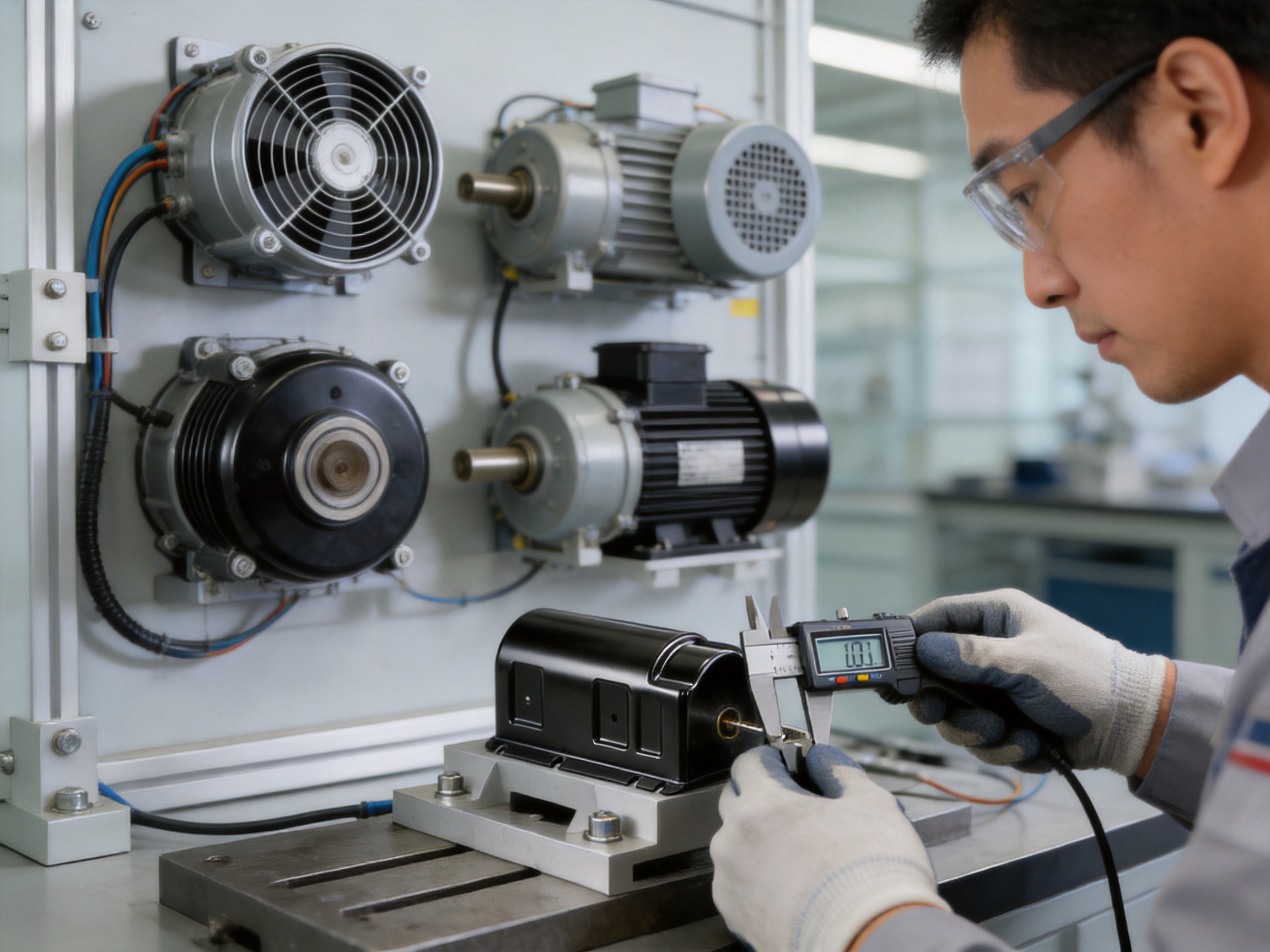
Capacitors are essential components in many electric motors. They support starting torque, improve operating performance, stabilize electrical behavior, and help motors run efficiently under changing loads. Although the capacitor itself is an electrical component, its service life and reliability depend greatly on the quality of the enclosure surrounding it. A properly designed capacitor housing protects the capacitor from impact, vibration, contamination, heat accumulation, and installation-related damage. It also supports efficient assembly, convenient maintenance, and stable performance throughout the motor’s operating life.
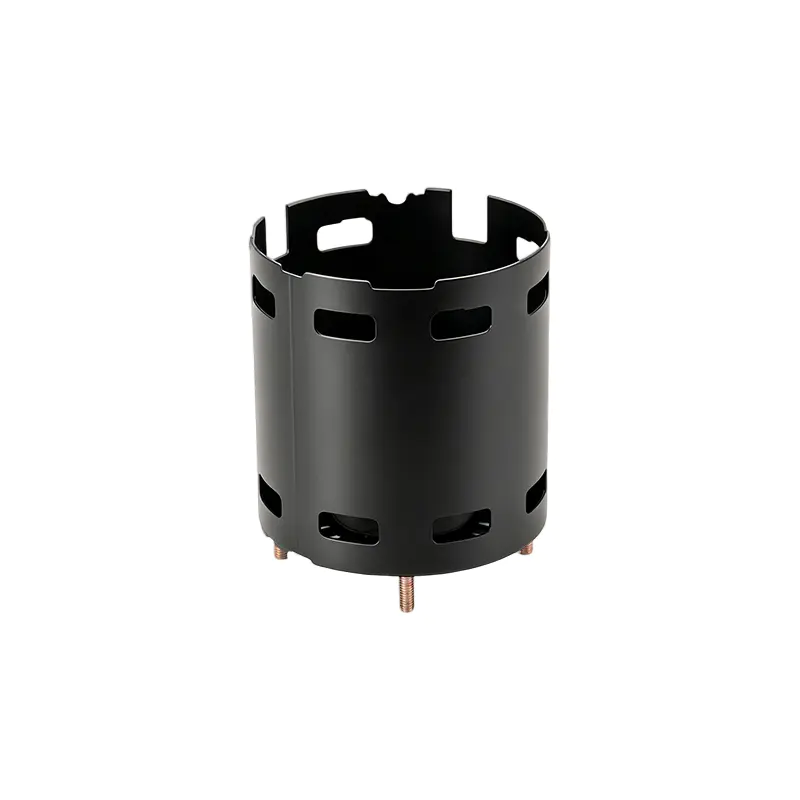
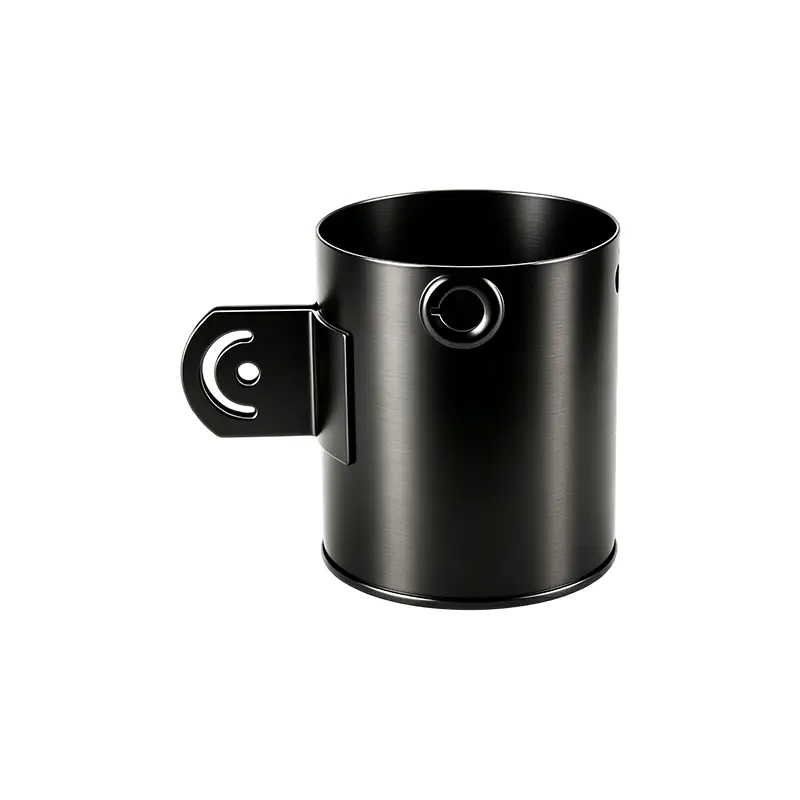
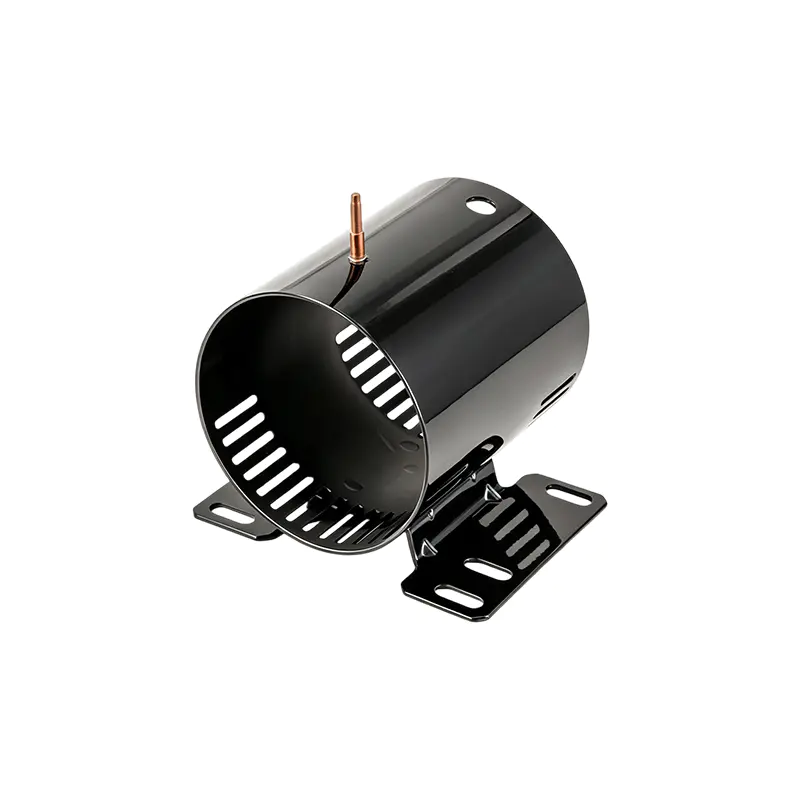
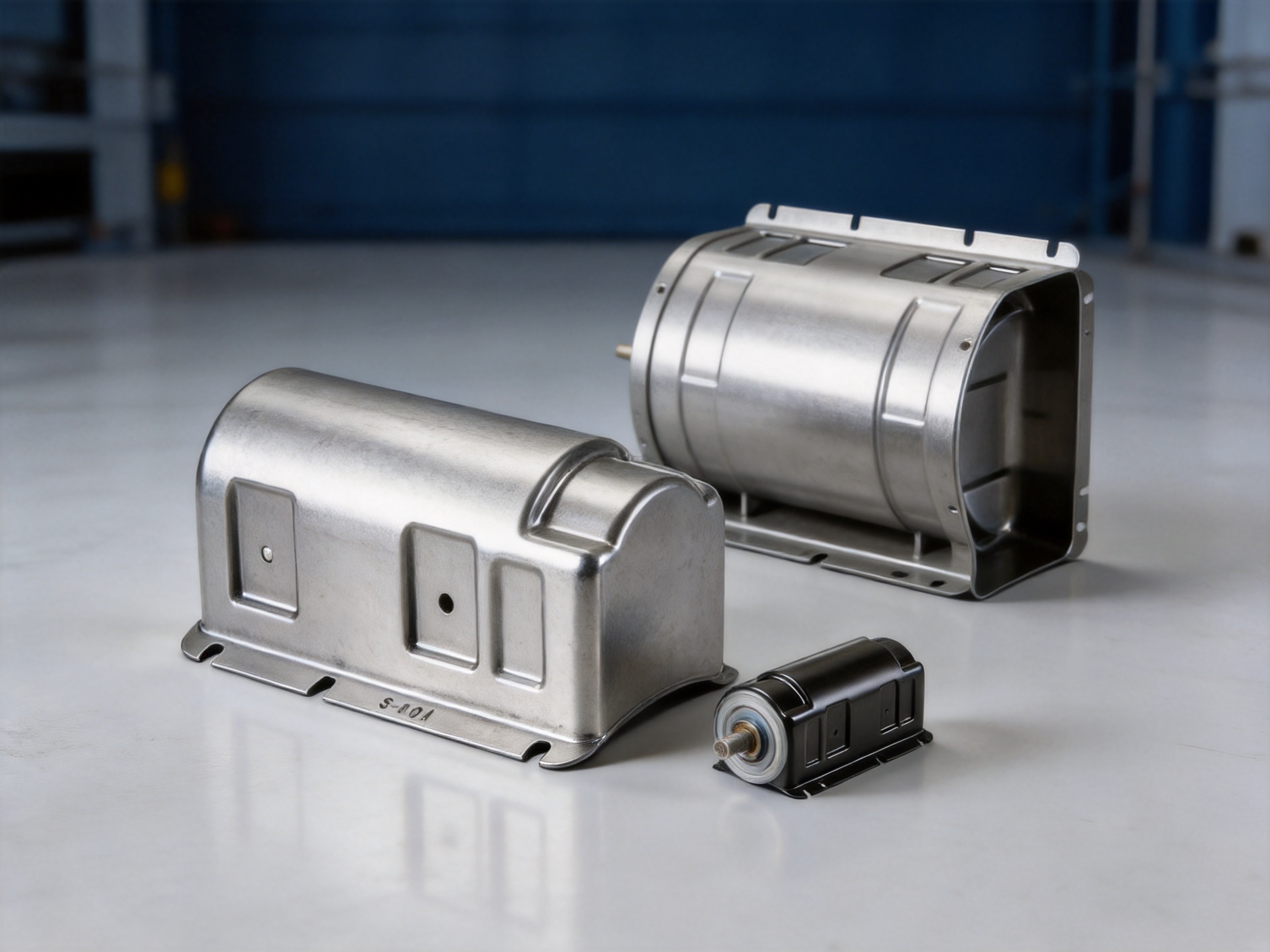
The Capacitor Housing of Motor is a steel protective enclosure developed for applications that require dependable physical protection and consistent manufacturing quality. Manufactured through a drawing process using high-quality low-carbon steel, the housing combines strength, formability, impact resistance, and dimensional consistency. Its structure is designed to provide practical protection for internal capacitor components while taking heat dissipation and installation requirements into consideration.
This type of capacitor housing is suitable for single-phase induction motors, compressor motors, fan motors, pump motors, household appliance motors, and a broad range of industrial or specialized motor assemblies. It can also be adapted to different mounting arrangements, surface treatments, dimensions, and production requirements according to the customer’s design specifications.
Jiangsu Yufeng Electric Co., Ltd. is a professional manufacturer of motor housings and related metal components. With capabilities covering stamping, drawing, welding, machining, assembly, surface treatment, inspection, and delivery, the company offers an integrated manufacturing route from steel material processing to finished products. Its experience in motor housing production, engineering support, production capacity, and process control allows customers to obtain a reliable supply of customized steel capacitor housings from a single manufacturing partner.
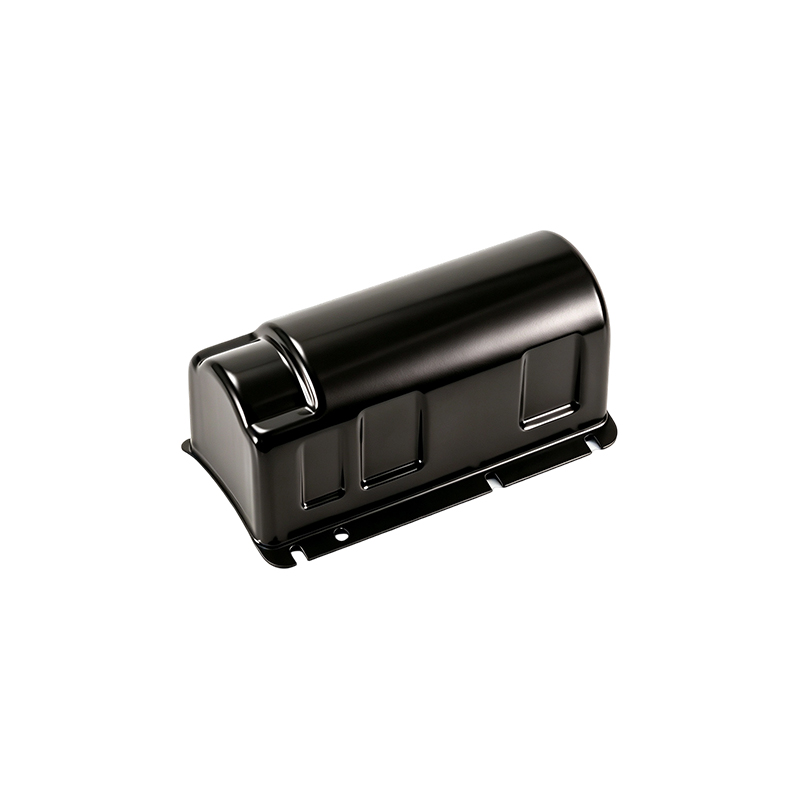
Capacitor Housing of Motor
1. The Role of a Capacitor Housing in Motor Construction
A motor capacitor housing is more than a simple metal cover. It is a functional part of a motor assembly that contributes to the protection, installation, serviceability, and long-term reliability of the capacitor. The enclosure must maintain its shape during assembly, resist external forces during transportation and operation, and provide sufficient clearance around the capacitor and associated wiring.
In many motor applications, the capacitor is mounted externally or in a dedicated compartment. This location may expose the component to vibration, accidental impact, dust, moisture, temperature changes, and handling forces. Without a suitable protective housing, the capacitor may be vulnerable to dents, cracking, terminal damage, wiring displacement, or other problems that can affect motor performance.
A well-designed housing provides a stable physical boundary around the capacitor. It can help prevent damage caused by collision with surrounding components, dropping during transportation, or vibration generated by the motor. The housing also supports orderly installation by defining a consistent mounting position and helping protect electrical connections from unnecessary mechanical stress.
Another important function is thermal management. Capacitors generate and absorb heat during operation, and the motor environment may already contain heat from windings, bearings, electrical terminals, and mechanical friction. If heat cannot be transferred effectively, the capacitor may experience accelerated aging, reduced electrical performance, or a shorter service life. A steel housing with suitable wall thickness and surface geometry can support heat conduction and help maintain more uniform thermal conditions.
The housing must therefore balance several requirements at the same time. It must be strong enough to withstand mechanical forces, light enough to avoid unnecessary weight, formable enough for efficient production, stable enough to maintain dimensional accuracy, and adaptable enough to support different mounting methods. These requirements make material selection and manufacturing process design particularly important.
2. Product Overview
The Capacitor Housing of Motor is formed from high-quality low-carbon steel through a drawing process. Drawing enables a flat or prepared steel blank to be shaped into a controlled enclosure with a defined diameter, depth, profile, and open or closed configuration. Compared with loosely formed or manually fabricated covers, a drawn housing can offer improved uniformity, repeatability, and structural continuity.
Low-carbon steel is well suited to this application because it offers a practical combination of ductility, strength, processability, and cost efficiency. Its formability allows the material to be shaped without excessive cracking or deformation when the tooling and process parameters are correctly controlled. After forming, the housing can be subjected to additional operations such as trimming, piercing, threading, flanging, welding, machining, cleaning, and surface finishing.
The product is designed to provide comprehensive physical protection for internal capacitor components. Its structure can help reduce the effects of external collision, accidental dropping, and operating vibration. A properly selected steel grade and a carefully controlled forming process also help the housing maintain its shape during assembly and normal use.
The housing design takes heat dissipation needs into consideration. Reasonable wall thickness, stable contact areas, and suitable surface geometry can promote more uniform heat conduction from the capacitor compartment to the external environment or adjacent motor structure. Thermal behavior depends on the entire assembly, including the capacitor type, electrical load, ambient temperature, airflow, installation orientation, and surrounding components. However, a sound enclosure design provides a reliable foundation for managing these conditions.
The mounting interface may be configured to support clips, threads, brackets, fasteners, or other customer-defined fixing methods. This flexibility allows the housing to be integrated into different motor platforms without requiring a completely new protection concept for every application. It can also simplify replacement during service because a standardized interface makes it easier to remove and install the component.
Key Product Characteristics
The housing is produced from high-quality low-carbon steel for dependable mechanical performance and efficient forming.
The drawn construction supports a consistent shape and stable dimensions across repeated production runs.
The enclosure helps protect capacitors from external impact, vibration, handling damage, and contact with nearby components.
The structural design considers heat transfer and helps reduce the risk of excessive temperature accumulation around the capacitor.
The mounting interface can be adapted for clips, threads, brackets, or other fixing methods.
The product is suitable for single-phase induction motors, compressor motors, fan motors, pump motors, household appliances, and specialized equipment.
The component can be integrated with additional machining, welding, surface treatment, and assembly operations according to project requirements.
3. Why Low-Carbon Steel Is Suitable for Capacitor Housings
Material selection has a direct influence on the performance, manufacturability, appearance, and cost of a motor capacitor housing. Low-carbon steel is widely used for formed metal components because its relatively low carbon content supports good ductility and formability. This is particularly important for drawing operations, where the sheet must flow into a die cavity while maintaining structural integrity.
During drawing, the material experiences controlled plastic deformation. If the material is too brittle, it may crack at corners, transitions, or areas of high strain. If the material is too soft or unstable, it may experience excessive thinning, wrinkling, or dimensional variation. A suitable low-carbon steel grade, combined with correct blank preparation, lubrication, tooling, and press parameters, can provide a practical balance between these factors.
Steel also offers useful mechanical strength for a protective enclosure. The housing does not need to carry the same loads as a structural motor frame, but it must resist dents and deformation during handling, transport, assembly, and operation. A stable steel shell can provide better physical protection than thin, poorly supported materials that deform easily under moderate force.
Another benefit is compatibility with secondary processes. Low-carbon steel can generally be trimmed, pierced, tapped, welded, machined, cleaned, and coated using established industrial methods. This allows the manufacturer to develop a complete production route instead of relying on a single forming operation. As a result, the finished housing can include mounting holes, threaded features, welded brackets, locating elements, surface finishes, and other application-specific details.
Steel also provides predictable thermal conduction compared with many nonmetallic alternatives. While the exact thermal performance depends on the complete assembly, the metal enclosure can support heat transfer from the internal capacitor area to the outside surface. This can be valuable in motors that operate continuously or in applications with elevated ambient temperatures.
4. Advantages of a Drawn Housing over Basic Fabricated Covers
One of the key advantages of this product is its drawn construction. Basic fabricated covers may be assembled from several pieces using seams, overlapping joints, or manual forming. Such methods can be appropriate for prototypes or low-volume applications, but they may introduce more variation in dimensions, surface condition, joint alignment, and structural stiffness when used for large-scale production.
A drawn housing can be formed as a continuous shell from a steel blank. This reduces the number of seams and may improve the consistency of the enclosure profile. A continuous formed structure can also reduce areas where dirt, moisture, or mechanical stress may accumulate, depending on the final design and surface treatment.
Drawing is especially beneficial when many units must be produced with repeatable dimensions. Once the tooling and process have been validated, the production line can create housings with consistent diameter, height, flange position, and profile. This repeatability helps the component fit correctly within the motor assembly and reduces the need for manual adjustment during installation.
The process can also support efficient material utilization. Tooling is designed around the target geometry, and production engineers can optimize blank size, forming stages, trimming allowances, and secondary operations. Improved process planning can reduce unnecessary material waste and support more stable production costs.
Compared with simple flat stamped plates, a drawn enclosure offers greater depth and surrounding protection. The shaped wall helps separate the capacitor from external objects and can provide better resistance to localized impact. Compared with manually bent shells, the drawn form can provide a more uniform radius and more consistent wall behavior around the enclosure.
These advantages do not mean that drawing is suitable for every possible housing design. Deep or complex shapes may require multiple drawing stages, intermediate annealing, or additional forming operations. However, when the product geometry is appropriate, drawing provides an effective combination of protection, production efficiency, and dimensional repeatability.
5. Protection against Impact, Vibration, and Handling Damage
Motors are often transported, installed, serviced, and operated in environments where mechanical forces cannot be avoided. A capacitor housing may experience impacts during packaging, movement through a production line, installation onto equipment, or maintenance work. The housing must therefore protect the capacitor not only during normal operation but throughout the entire product life cycle.
The steel shell provides a physical barrier between the capacitor and the surrounding environment. It can reduce the likelihood that an external object will directly contact the capacitor body, terminals, or wiring. This is especially important when the motor is installed in equipment with limited space or when several components are located close together.
Vibration resistance is another important consideration. Fans, pumps, compressors, and many other motor-driven machines generate continuous or intermittent vibration. If a capacitor is inadequately supported, vibration may cause repeated movement, connection fatigue, abrasion, or progressive damage. A correctly designed housing, combined with secure mounting and appropriate internal clearances, can help maintain the capacitor’s position and reduce unnecessary mechanical stress.
The housing also supports safer handling during assembly. Operators can handle the metal enclosure rather than directly gripping the capacitor body or terminals. This reduces the chance of accidental impact or excessive force being transferred to sensitive electrical components. The housing can also create a defined installation point, making the assembly process more consistent.
Protection performance depends on the complete design. Wall thickness, edge treatment, internal clearance, fastening method, support points, surface finish, and the relationship between the housing and the capacitor all influence the final result. For this reason, product development should consider the housing as part of the motor system rather than as an isolated cover.
6. Thermal Considerations and Heat Dissipation
Temperature is one of the most important factors affecting capacitor life. Electrical losses, ambient temperature, nearby heat sources, motor load, and airflow all contribute to the thermal environment. Excessive heat may accelerate material aging, reduce electrical stability, and shorten the expected service life of the capacitor.
The design of a steel capacitor housing should therefore consider the path by which heat travels from the capacitor to the surrounding environment. The enclosure can assist this process through conductive contact, external surface area, suitable wall thickness, and integration with the motor structure. The exact thermal result depends on the design and operating conditions, but a well-engineered metal housing provides a consistent and predictable basis for thermal management.
Wall thickness must be selected carefully. A wall that is too thin may be susceptible to deformation and may not provide adequate protection. A wall that is unnecessarily thick can increase weight, material cost, and forming difficulty. The best design balances mechanical strength, thermal behavior, manufacturability, and application requirements.
Surface geometry also affects heat transfer. Flanges, ribs, transitions, mounting areas, and exposed surfaces can influence the way heat moves through the enclosure. These features must be designed without creating unnecessary forming stress or compromising the fit of the capacitor. When required, the engineering team can evaluate the relationship between the housing and the motor assembly during product development.
Customers should provide information about operating voltage, capacitance, duty cycle, motor power, ambient temperature, installation orientation, and available airflow when requesting a customized housing. This information helps the manufacturer understand the intended thermal environment and select an appropriate geometry and material specification.
A housing cannot compensate for an unsuitable capacitor or an overloaded motor. Nevertheless, an enclosure designed with thermal requirements in mind can help prevent avoidable heat accumulation and support more stable operating conditions. This is one reason why a purpose-designed steel capacitor housing is generally preferable to a generic cover with no consideration of the complete motor environment.
7. Mounting Flexibility and Assembly Efficiency
Different motor designs use different installation methods. A capacitor may be fixed by a clip, inserted into a bracket, secured with a threaded interface, fastened with screws, or retained by a combination of locating and clamping features. The housing must fit the available mounting space and provide reliable retention without creating excessive assembly complexity.
The product’s mounting interface can be developed around the customer’s existing structure. Clip-based installation may be suitable for quick assembly and service replacement. Threaded designs can provide strong and repeatable retention where a screw, nut, or threaded bracket is preferred. Bracket-mounted arrangements may be useful when the capacitor housing must connect to a larger motor frame or equipment structure.
Standardized interfaces can reduce assembly time. When the housing has consistent dimensions and clearly defined locating features, operators can install it with fewer adjustments. This can be especially valuable in high-volume motor production, where a small reduction in assembly time can create meaningful improvements in productivity.
Serviceability is also important. Capacitors may eventually require replacement because of electrical aging, abnormal operating conditions, or maintenance schedules. A housing that supports straightforward removal and installation can reduce downtime and simplify field service. The enclosure can protect the replacement capacitor during handling while allowing the technician to work with a defined component interface.
Manufacturing engineers can also consider automation during the design stage. Features such as consistent orientation, repeatable hole locations, stable flange dimensions, and accessible fastening points can make the housing easier to handle with jigs, fixtures, or automated equipment. Design for assembly helps improve both production efficiency and product consistency.
8. Manufacturing Capabilities and Integrated Production
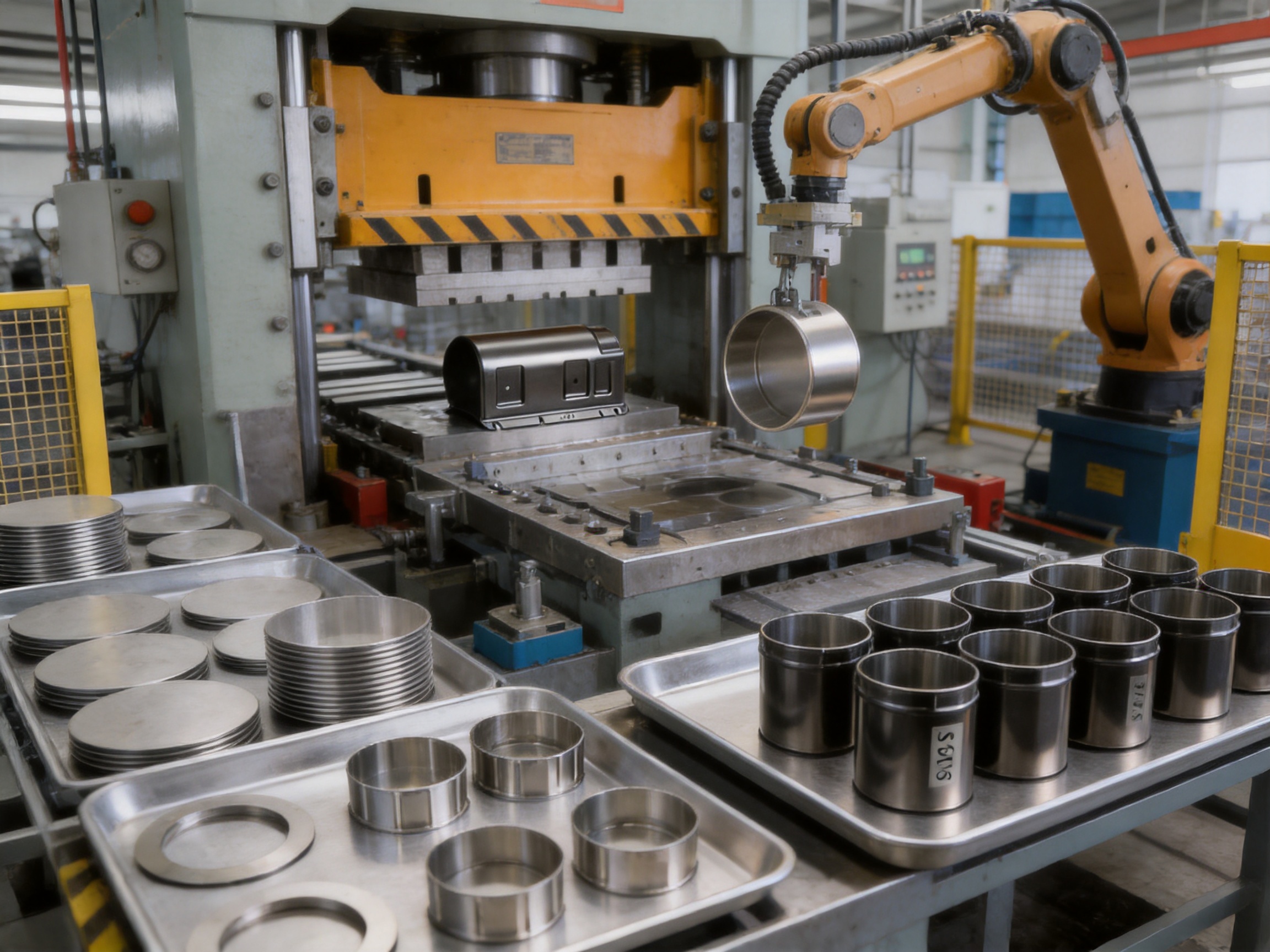
Jiangsu Yufeng Electric Co., Ltd. integrates several manufacturing processes required for motor housing production. Its capabilities include stamping, welding assembly, machining, surface treatment, inspection, and final delivery. This integrated structure allows the company to manage the relationship between different operations instead of treating each process as an isolated activity.
The production route can begin with steel material preparation. Incoming material is selected according to the product drawing, mechanical requirements, thickness, surface condition, and intended forming process. Material identification and preparation help ensure that the correct steel is used for the production order.
The next stage may include blanking, stamping, and drawing. Press equipment and dedicated dies form the steel into the required housing profile. Process control is important at this stage because forming force, die clearance, lubrication, blank-holder pressure, and forming sequence can influence dimensional accuracy and surface quality.
After forming, trimming and piercing operations may be performed to achieve the final edge profile and mounting-hole configuration. Additional machining can be used for features that require tighter tolerances, including threaded holes, precision bores, locating surfaces, or controlled edge dimensions.
Welding equipment can be used when the design includes brackets, reinforcement pieces, mounting tabs, or other attached components. Automated or controlled welding methods help maintain repeatable joint position and reduce variation between products. Welded areas can then be inspected and, where necessary, subjected to grinding, cleaning, or additional surface treatment.
Surface treatment protects the steel from corrosion and can improve appearance, cleanliness, and compatibility with the customer’s assembly environment. The appropriate treatment depends on the application, storage conditions, exposure to moisture, temperature, chemical contact, and customer requirements. Options may include cleaning, coating, painting, plating, or other finishing processes selected during product development.
Final inspection confirms that the completed housing meets the relevant drawing, sample, and order requirements. Inspection may cover dimensions, hole locations, thread condition, surface appearance, forming defects, weld quality, coating condition, and packaging status. A controlled inspection process helps prevent nonconforming parts from entering the customer’s assembly line.
Typical Manufacturing Process
| Process Stage | Primary Purpose | Typical Control Focus |
|---|---|---|
| Material preparation | Prepare suitable low-carbon steel for forming | Material grade, thickness, surface condition, identification |
| Blanking and stamping | Create the initial shape and required features | Blank size, press settings, burrs, feature position |
| Drawing | Form the steel into the housing profile | Wall consistency, depth, diameter, wrinkles, cracks, deformation |
| Trimming and piercing | Achieve the final edge and mounting features | Edge height, hole diameter, hole location, burr control |
| Machining | Produce precision or threaded features | Dimensional tolerance, thread accuracy, surface condition |
| Welding assembly | Attach brackets, tabs, or reinforcement components | Joint location, weld appearance, strength, distortion |
| Surface treatment | Improve corrosion resistance and finish | Coverage, adhesion, cleanliness, color or appearance |
| Final inspection | Verify product conformity before shipment | Drawing compliance, function, appearance, packaging |
9. Engineering Support from Development to Mass Production
A successful motor housing project requires more than the ability to produce metal parts. The manufacturer must understand the application, review the design, identify manufacturing risks, and support the transition from prototype to mass production. Jiangsu Yufeng Electric has an engineering team with extensive experience in motor housing manufacturing and provides technical support from product development through production.
During the initial review, engineers can evaluate the customer’s drawings, samples, three-dimensional data, or performance requirements. They may examine the housing diameter, depth, wall thickness, radii, mounting features, tolerance requirements, and relationship to the capacitor. This review can identify areas where the design may be difficult to form, machine, weld, coat, inspect, or assemble.
Design for manufacturability is particularly important for drawn components. Sharp corners, sudden changes in depth, insufficient forming radii, unsuitable hole locations, and excessive dimensional requirements can create unnecessary production difficulty. Engineering feedback at an early stage can help the customer achieve a more stable design without compromising the intended function.
Prototype and trial production provide an opportunity to verify the forming process, tooling concept, assembly fit, surface treatment, and inspection method. Measurements from trial parts can be compared with the drawing or approved sample. If adjustments are needed, the tooling or process can be refined before the product enters regular production.
Once the process is validated, production documentation can define the required material, process route, inspection points, packaging method, and acceptance criteria. Clear documentation supports repeatability and helps different departments work toward the same product requirements.
For customers with multiple motor models, engineering support can also help establish a family of related housing designs. Common dimensions, standardized mounting principles, and shared manufacturing methods may reduce development time and improve purchasing efficiency while allowing necessary differences between models.
10. Quality Control and Product Consistency
Quality consistency is essential for a component that will be installed in motors produced in large quantities. A small variation in housing diameter, mounting-hole location, thread quality, or flange position can affect assembly speed and may create problems when the component is combined with other parts.
Quality control begins with the incoming steel material. The material must correspond to the required specification and be suitable for the planned forming operation. Surface defects, incorrect thickness, or inconsistent material properties can influence the forming result, so material control is an important part of the production system.
During forming, operators and quality personnel can monitor critical dimensions and visible conditions. Typical checks may include housing height, diameter, wall profile, flange shape, edge condition, and the presence of cracks, wrinkles, excessive thinning, or dents. Process monitoring helps identify problems before a large quantity of parts is produced.
Machined and pierced features should be inspected according to their function. Mounting holes must be correctly positioned so the housing aligns with the motor structure. Threads must accept the specified fastener without excessive looseness or interference. Locating surfaces must be sufficiently stable to support repeatable assembly.
Welded components require attention to position, penetration, appearance, and distortion. The inspection method depends on the joint design and customer requirements. Surface-treated parts should be checked for coverage, adhesion, cleanliness, and visible defects that could affect corrosion resistance or appearance.
Final inspection provides a last verification before packaging and shipment. Depending on the product and order, this may include dimensional inspection, sample assembly, visual inspection, coating checks, packaging verification, and review of production records. The objective is to ensure that the housing delivered to the customer is suitable for the intended motor application.
11. Competitive Advantages of the Product
The Capacitor Housing of Motor offers several advantages over generic, lightly formed, or poorly integrated alternatives. Its primary advantage is the combination of protective steel construction and purpose-oriented design. The product is not simply a container; it is developed to address impact protection, vibration resistance, heat dissipation, mounting, and production repeatability.
The drawn steel structure provides a consistent enclosure profile. This can improve the fit between the housing, capacitor, mounting interface, and motor assembly. Better consistency may also reduce adjustment, rework, and assembly interruptions in the customer’s production line.
The use of low-carbon steel provides a balance between mechanical strength and forming efficiency. Some alternative materials may be lightweight but less resistant to impact, while some thick or highly rigid materials may be more difficult to form economically. Steel offers a practical solution for applications that value durable physical protection and stable production cost.
Integrated manufacturing is another important advantage. When stamping, drawing, machining, welding, surface treatment, and assembly are coordinated within one supplier system, the customer can reduce the number of external interfaces. This can simplify communication, shorten response time, and improve accountability when technical changes or quality issues arise.
The company’s experience in motor housing production supports better understanding of the application environment. A supplier familiar with motor components can consider how the capacitor housing interacts with electrical parts, brackets, frames, wiring, airflow, and service requirements. This application knowledge is valuable when developing customized products.
Production capacity is also relevant to customers that require stable supply. With an annual production capacity exceeding five million units and experience serving more than fifty customers, Jiangsu Yufeng Electric is positioned to support both development projects and recurring production orders. Capacity alone does not guarantee quality, but when combined with process control and engineering support, it can provide a stronger foundation for reliable delivery.
The company’s approximately forty years of experience in motor housing manufacturing further supports process maturity. Long-term experience can help manufacturers recognize common forming risks, optimize tooling, improve inspection practices, and respond quickly to customer feedback.
Comparison with Common Alternatives
| Evaluation Factor | Purpose-Designed Drawn Steel Housing | Generic Thin Cover | Multi-Piece Basic Fabrication |
|---|---|---|---|
| Mechanical protection | Strong, continuous enclosure designed for the application | May deform more easily under impact | Depends on joints and material selection |
| Dimensional repeatability | High when tooling and process are controlled | May vary with forming method | Can vary between pieces or operators |
| Thermal design | Can be considered during geometry development | Often based on a generic shape | Depends on assembly details |
| Mounting flexibility | Can support clips, threads, brackets, and custom features | May require additional parts | May involve more assembly operations |
| Production scalability | Suitable for repeatable batch and mass production | Depends on the forming process | May require more labor and coordination |
| Supplier integration | Can include forming, machining, welding, and finishing | May need external processing | Often involves several operations or suppliers |
| Service replacement | Standardized interfaces can simplify replacement | Fit may be less consistent | Assembly configuration may be less standardized |
12. Applications across Motor and Equipment Industries
Single-phase induction motors are a major application for capacitor housings. These motors commonly use capacitors to support starting or operating functions. The housing protects the capacitor while allowing it to be positioned conveniently on the motor or equipment frame.
Compressor motors also require reliable capacitor protection. Compressors may be exposed to vibration, pressure-related equipment movement, temperature variation, and confined installation spaces. A strong housing with a secure mounting interface can help protect the capacitor in these demanding conditions.
Fan motors are used in ventilation systems, air movement equipment, cooling units, and household appliances. Because fans may operate for long periods, the housing must support stable mounting and appropriate thermal conditions. It should also resist vibration generated by rotating components and airflow equipment.
Pump motors may operate in industrial, agricultural, commercial, or domestic environments. Their operating conditions can include moisture, vibration, changing loads, and frequent starting cycles. A suitable surface treatment and secure housing design can support the reliability of the capacitor assembly in these applications.
Household appliance motors require components that are compact, consistent, cost-effective, and suitable for high-volume assembly. The drawn steel housing can be adapted to appliance space limitations while maintaining repeatable dimensions for automated or semi-automated production.
The product can also be considered for special equipment and industrial drives where a customized protective enclosure is required. In such applications, the customer may specify unusual dimensions, mounting arrangements, coating requirements, or environmental conditions. The manufacturer’s integrated process capabilities allow the housing to be developed around these specific requirements.
13. Customization Options
Customization begins with the basic housing geometry. Customers may define the outside diameter, internal clearance, overall height, flange shape, edge profile, and available installation space. These dimensions must be coordinated with the capacitor size and the surrounding motor components.
Wall thickness can be selected according to mechanical protection, forming feasibility, weight, cost, and thermal requirements. The appropriate thickness should be determined through engineering review rather than chosen only from a nominal standard. The customer’s impact expectations and installation environment are important inputs.
Mounting features can also be customized. Options may include holes, slots, threaded areas, welded brackets, clips, tabs, flanges, and locating points. The design should identify the fastening method, installation direction, tool access, service requirements, and expected loads.
Surface treatment can be selected according to corrosion exposure and appearance requirements. Indoor household equipment may have different needs from outdoor pumps or industrial machinery. Packaging and storage conditions should also be considered because parts may be held in inventory before assembly.
Customers can request additional machining, welding, assembly, labeling, or inspection services. When several processes are combined under one production plan, the manufacturer can coordinate the sequence to reduce handling and improve overall consistency.
For efficient quotation and development, customers should provide drawings, three-dimensional models, samples, annual demand, target application, material preferences, surface requirements, tolerance information, and expected delivery schedule. If some details are not finalized, the engineering team can help identify practical options.
14. Packaging, Delivery, and Supply Reliability
Proper packaging is necessary to protect formed steel housings from deformation, scratches, contamination, and corrosion during storage and transportation. Packaging should separate parts when necessary, prevent excessive movement, and maintain the shape of mounting features and flanges.
For large-volume shipments, the packaging method should also support efficient unloading and line-side handling. Stable cartons, pallets, separators, or purpose-designed containers can reduce handling time and help operators identify the correct part number quickly.
Supply reliability depends on more than production capacity. It requires material planning, tooling availability, process stability, inspection readiness, packaging control, and communication between the supplier and customer. An integrated manufacturer can coordinate these activities more effectively than a supplier that only performs one isolated operation.
Jiangsu Yufeng Electric’s full-process capabilities support a more direct route from raw steel to finished motor housing. This can help reduce delays caused by transferring semi-finished parts between different companies. It also allows technical changes to be communicated within a unified manufacturing organization.
Customers with recurring orders can work with the manufacturer to establish production schedules, safety stock plans, packaging standards, and quality documentation. These arrangements are particularly valuable when the housing is used in a continuous motor assembly program.
15. Selecting the Right Capacitor Housing
When selecting a capacitor housing, the customer should first confirm the capacitor dimensions and electrical application. The internal space must allow proper installation without excessive looseness or compression. Sufficient clearance is needed around terminals, insulation, wiring, and any features that could create abrasion or electrical risk.
The external environment should then be evaluated. Important factors include vibration level, impact risk, temperature range, humidity, dust, chemical exposure, installation orientation, and available airflow. These conditions influence material thickness, surface treatment, mounting method, and thermal design.
The customer should also consider the production method used for the housing. A design intended for large-scale production should be compatible with repeatable forming and inspection. Features that are acceptable for a one-time prototype may not be economical or stable for hundreds of thousands of units.
Mounting and service requirements must be defined clearly. The housing should fit the motor structure, allow convenient assembly, and support replacement if the capacitor requires maintenance. Fastener access and installation direction can have a significant effect on field service time.
Finally, the customer should evaluate the supplier’s ability to support the entire project. Relevant considerations include engineering experience, tooling development, manufacturing processes, inspection equipment, surface treatment capability, production capacity, delivery performance, and communication speed. A technically suitable product is most valuable when it can be supplied consistently over the full life of the motor program.
16. Recommended Development Workflow
The development process normally begins with an application discussion. The customer explains the motor type, capacitor dimensions, installation environment, expected quantity, and performance priorities. The manufacturer then reviews the requirements and identifies the information needed for engineering evaluation.
During design review, the team assesses the housing geometry, material, wall thickness, mounting arrangement, surface treatment, tolerances, and production sequence. Potential risks are discussed before tooling is finalized.
Tooling and process preparation follow the approved design. Dies, fixtures, machining programs, welding tools, inspection gauges, and packaging methods are developed as needed. Trial production verifies whether the housing can be manufactured consistently and assembled correctly.
Sample parts are inspected and, where appropriate, evaluated through fit checks or application testing by the customer. Feedback is incorporated into the design or process documentation. Once the sample is approved, the production process is released for regular manufacturing.
During mass production, quality records and process controls help maintain consistency. Any engineering change should be reviewed and approved through an organized change-control process so that material, tooling, inspection, and packaging remain aligned.
17. Sustainability and Efficient Resource Use
Efficient steel forming can contribute to responsible resource use by producing the required shape with a controlled amount of material. Optimized blank design, reduced scrap, stable tooling, and coordinated production can improve material utilization.
Long-lasting motor components can also support sustainability by reducing replacement frequency and limiting premature equipment disposal. A housing that protects the capacitor from avoidable mechanical damage may contribute to longer service intervals for the motor assembly, provided that the complete system is properly designed and operated.
Integrated production may reduce unnecessary transportation between separate processing locations. When forming, machining, welding, finishing, and inspection are coordinated within one manufacturing organization, material movement and associated handling can be simplified.
Surface treatment and cleaning processes should be selected and managed responsibly according to applicable customer and production requirements. Process control helps reduce rework, rejected parts, and wasted energy associated with repeated operations.
18. Frequently Asked Questions
What is the main purpose of a motor capacitor housing?
The main purpose is to protect the capacitor from impact, vibration, handling damage, contamination, and contact with nearby components. The housing also provides a controlled mounting interface and can support heat transfer from the capacitor area to the surrounding environment.
What material is used for this capacitor housing?
The product is formed from high-quality low-carbon steel. This material provides a practical balance of ductility, mechanical strength, drawing suitability, thermal conduction, and cost efficiency.
Why is a drawn construction beneficial?
A drawn construction can provide a continuous and repeatable enclosure profile. It supports consistent dimensions, efficient mass production, stable mechanical protection, and reduced dependence on multi-piece manual fabrication.
Can the housing be customized for different capacitor sizes?
Yes. The diameter, height, internal clearance, wall thickness, flange, mounting features, and surface treatment can be developed according to the capacitor and motor assembly requirements.
Which mounting methods can be supported?
The housing can be designed for clips, threads, brackets, fasteners, tabs, holes, slots, or other customer-defined fixing methods. The final arrangement depends on the motor structure and service requirements.
Is the housing suitable for outdoor or humid applications?
It may be suitable when the material, surface treatment, sealing arrangement, and mounting design are selected for the environmental conditions. Customers should provide information about humidity, water exposure, chemicals, temperature, and storage conditions so the appropriate configuration can be evaluated.
Can the housing improve capacitor thermal performance?
A properly designed steel housing can support heat conduction and more uniform heat dissipation. However, thermal performance depends on the capacitor, motor load, ambient temperature, airflow, installation arrangement, and complete equipment design.
Which motors commonly use this product?
Typical applications include single-phase induction motors, compressor motors, fan motors, pump motors, household appliance motors, industrial drives, and special equipment.
Can additional machining or welding be performed?
Yes. The integrated manufacturing capabilities include machining and welding assembly. These processes can be used for threaded features, precision holes, brackets, tabs, reinforcement parts, and other application-specific details.
How does the manufacturer support new product development?
The engineering team can review drawings and samples, evaluate manufacturability, support tooling and process development, produce trial parts, coordinate inspection, and assist with the transition to mass production.
What information should be provided for a quotation?
Useful information includes drawings or three-dimensional data, capacitor dimensions, motor type, annual demand, material requirements, mounting method, surface treatment, dimensional tolerances, operating environment, packaging expectations, and delivery schedule.
What advantages does an integrated supplier provide?
An integrated supplier can coordinate stamping, drawing, machining, welding, surface treatment, inspection, and delivery within one manufacturing system. This can simplify communication, reduce external process transfers, improve accountability, and support more consistent delivery.
19. Conclusion
The Capacitor Housing of Motor is a practical and important component for protecting capacitors used in motors and equipment. Its drawn low-carbon steel construction provides a strong foundation for impact resistance, vibration protection, dimensional consistency, and efficient production. The housing design also considers thermal behavior and can be adapted to different mounting arrangements, helping customers integrate it into a wide range of motor assemblies.
Compared with generic covers or basic multi-piece fabrications, a purpose-designed drawn housing can offer better repeatability, more reliable protection, improved assembly compatibility, and greater potential for mass production. These benefits become more significant when the housing is manufactured through a coordinated process that includes forming, machining, welding, surface treatment, inspection, and packaging.
Jiangsu Yufeng Electric Co., Ltd. combines motor housing experience with full-process manufacturing capabilities. Its engineering support, production equipment, inspection resources, and annual capacity of more than five million units provide a suitable foundation for both customized development and regular supply. With approximately forty years of experience and service to more than fifty customers, the company is positioned to support motor manufacturers seeking dependable steel capacitor housings and related metal components.
For applications that require reliable capacitor protection, efficient assembly, stable dimensions, and flexible customization, this steel motor capacitor housing provides a strong and practical solution. The best results are achieved when the housing is developed together with the capacitor, motor structure, thermal environment, mounting system, and production requirements.
References
1. General principles of sheet-metal stamping, drawing, trimming, and forming process control.
2. Engineering guidelines for low-carbon steel selection in formed mechanical enclosures.
3. General motor design practices for capacitor mounting, vibration control, and thermal management.
4. Industrial quality-control methods for dimensional inspection, surface treatment, welding, and assembly components.
5. General design-for-manufacturing principles for high-volume stamped and drawn metal parts.
6. Electrical equipment maintenance practices concerning capacitor protection and service replacement.
7. Manufacturer-provided product and company information for the Capacitor Housing of Motor.

 Previous