

 English
 Español
Content
- 1 Product Overview
- 2 Structural Design and Functional Role
- 3 Performance Advantages Compared with Conventional Alternatives
- 4 Manufacturing Process Capabilities
- 5 Advantages of Integrated In-House Production
- 6 Application Areas
- 7 Customization Options
- 8 Installation and Assembly Considerations
- 9 Why Manufacturing Quality Matters in Motor Housings
- 10 Technical Summary
- 11 Quality, Efficiency, and Supplier Value
- 12 Frequently Asked Questions
- 12.1 What is the primary function of this fan motor housing?
- 12.2 What is the inner diameter of the housing?
- 12.3 Why is uniform wall thickness important?
- 12.4 What is the purpose of the welded flange plate?
- 12.5 Can the flange withstand fan operating loads?
- 12.6 Can this housing be customized?
- 12.7 Which materials can be used for motor housings?
- 12.8 What manufacturing processes are available?
- 12.9 How does integrated manufacturing benefit customers?
- 12.10 What applications are suitable for this product?
- 12.11 How can customers begin a development project?
- 12.12 Does the company support mass production?
- 13 Conclusion
- 14 References
- 15 Product: Fan Motor Housing
Fan motor housings are essential structural components in electric fan systems. They protect the stator and rotor assemblies, maintain the alignment of rotating parts, support the motor during operation, and provide a dependable interface between the motor and the surrounding fan structure. Although a motor housing may appear simple from the outside, its performance depends on many closely related factors, including dimensional accuracy, wall thickness consistency, welding quality, flange positioning, material selection, surface condition, and manufacturing repeatability.
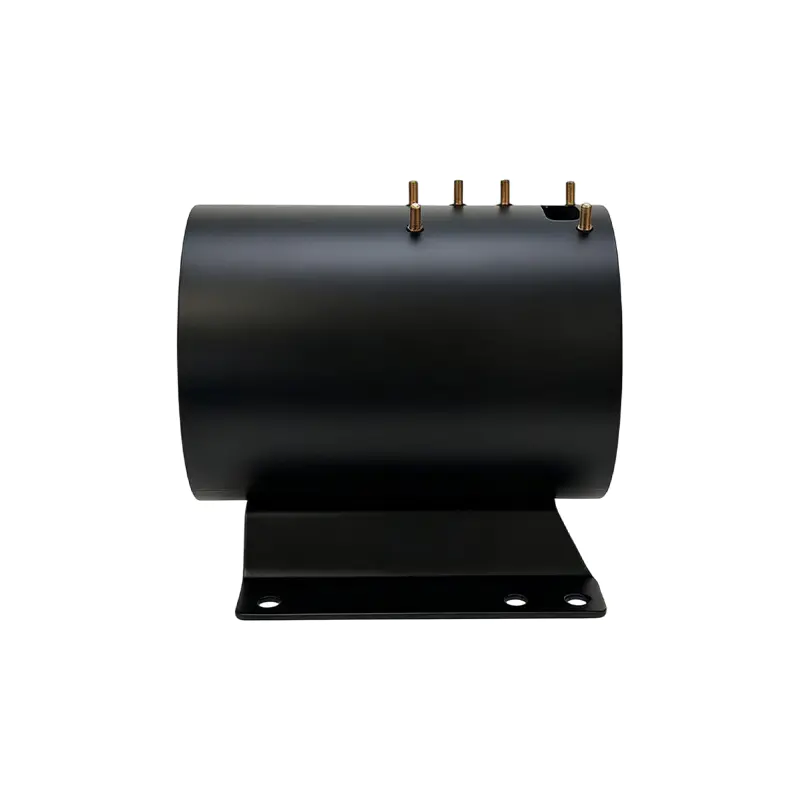
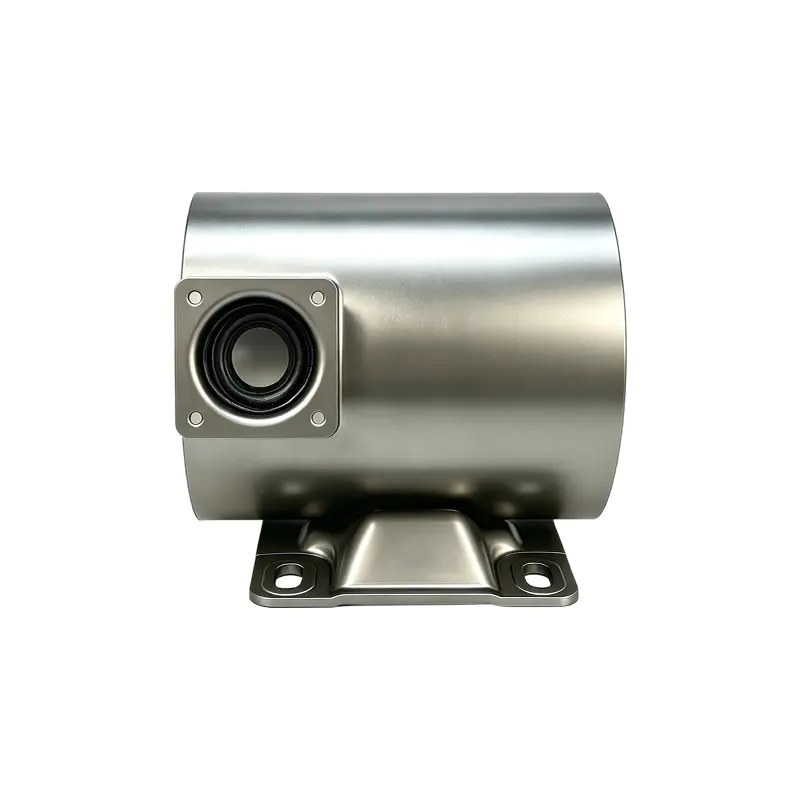
The Fan Motor Housing identified as ID900030 is designed to meet these requirements through a precision-engineered steel structure with an inner diameter of 130 millimeters. It combines a stable cylindrical housing body with a dedicated welded flange plate. This configuration provides a protective enclosure for the motor stator and rotor assemblies while also simplifying installation into a fan volute, mounting bracket, or other supporting structure.
Manufactured by Jiangsu Yufeng Electric Co., Ltd., this product reflects an integrated approach to motor housing production. The company combines steel processing, stamping, welding, machining, assembly, and surface treatment within its manufacturing system. This full-process capability allows the manufacturer to control important production variables internally, shorten communication paths, improve consistency, and respond efficiently to customer-specific requirements.
The housing is particularly suitable for fan motor applications that require reliable support under continuous vibration, repeated startup and shutdown cycles, speed regulation, and torsional loading. Its uniform wall thickness and precise internal dimensions help create a stable installation space, while its welded flange supports accurate positioning and secure mechanical connection.
Product Overview
The Fan Motor Housing is a steel motor enclosure developed for use as a structural and protective part of a fan motor assembly. Its main body forms a cylindrical shell around the motor’s active components. The inner diameter is 130 millimeters, providing a controlled internal space for the stator and rotor assemblies, subject to the final motor design and required clearances.
The housing is not merely a cover. It functions as a load-bearing and alignment-related component. During operation, the motor generates electromagnetic forces, rotational movement, vibration, heat, and mechanical reaction loads. The housing must preserve its geometry while supporting the motor assembly and transmitting loads to the fan structure. Any distortion, dimensional inconsistency, or weak joint may affect motor performance, noise, service life, and assembly quality.
A flange plate is welded to the housing using controlled welding technology. The flange creates a practical mounting interface that can be connected to a fan volute, mounting bracket, or related support structure. By integrating the flange with the housing body, the design reduces the need for separate loose mounting pieces and helps establish a more direct, rigid connection.
The product is categorized as a part of a motor and is also relevant to steel motor housing, heavy-wall steel motor housing, stainless motor housing, and steel tube motor housing applications. Depending on customer requirements, similar structural concepts can be adapted to different steel grades, surface treatments, wall thicknesses, connection methods, and dimensional specifications.
The product description emphasizes three central qualities: precise dimensions, uniform wall thickness, and a strong welded flange connection. Together, these features support a housing that is stable during assembly and dependable during long-term fan operation.
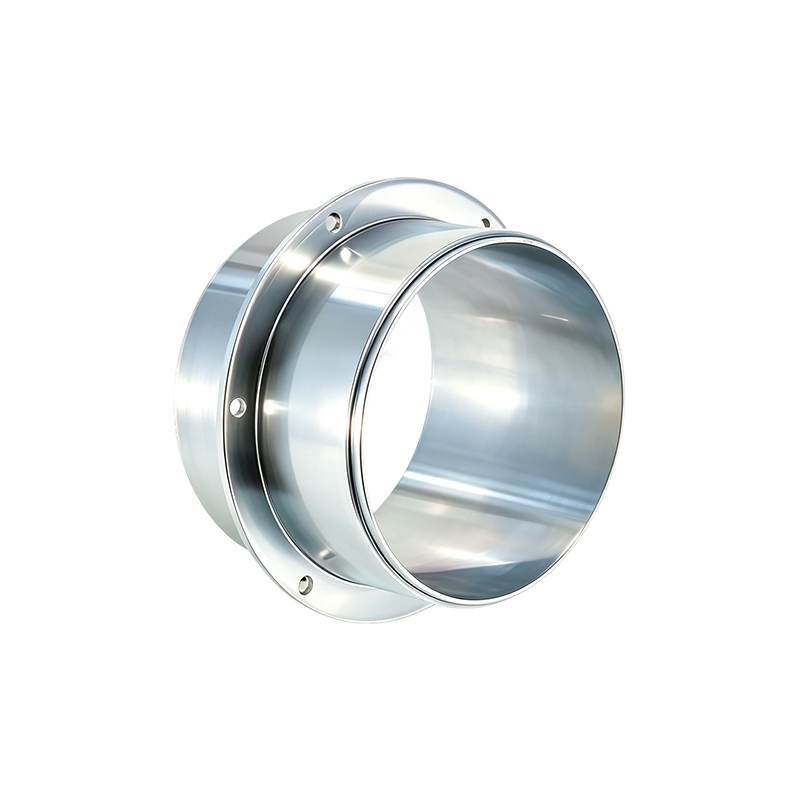
Fan Motor Housing
Structural Design and Functional Role
Cylindrical Housing Body
The cylindrical housing body provides the primary protective enclosure for the motor stator and rotor assemblies. A round internal profile is well suited to rotating motor components because it supports concentric arrangement and allows the rotor to operate within a controlled radial clearance. The cylindrical shape also distributes mechanical stresses around the circumference more evenly than many irregular geometries.
For a motor housing, the inner diameter is a critical dimension. The specified 130 millimeter internal diameter must be produced consistently so that the stator can be positioned correctly and the rotor can maintain the required operating clearance. Excessive variation may lead to assembly difficulties, uneven pressure, misalignment, or interference with internal parts. A controlled diameter also makes the product more suitable for repeat production and standardized motor assembly.
The outer geometry of the housing provides additional structural support. It must be compatible with the fan system, mounting structure, or surrounding components. When the housing is manufactured with stable forming and machining processes, the body can maintain its circularity and axial straightness, creating a reliable base for subsequent assembly operations.
Uniform Wall Thickness
Uniform wall thickness is an important advantage in steel motor housing production. A consistent wall helps distribute mechanical loads evenly and reduces the possibility of localized weak areas. It also supports stable heat transfer, predictable welding behavior, and consistent dimensional performance after forming and joining.
Non-uniform wall thickness can create several problems. Thin areas may have lower resistance to deformation, while thick areas may introduce unbalanced weight, uneven thermal behavior, or variations in welding penetration. In a rotating fan motor, these inconsistencies can contribute to vibration and noise. Maintaining a uniform structure helps reduce such risks and improves overall product reliability.
Uniformity is achieved through appropriate material preparation, controlled forming, suitable tooling, and process inspection. Jiangsu Yufeng’s integrated manufacturing capabilities allow these stages to be coordinated rather than handled as isolated operations. The result is a more consistent transition from steel material to finished housing.
Integrated Flange Plate
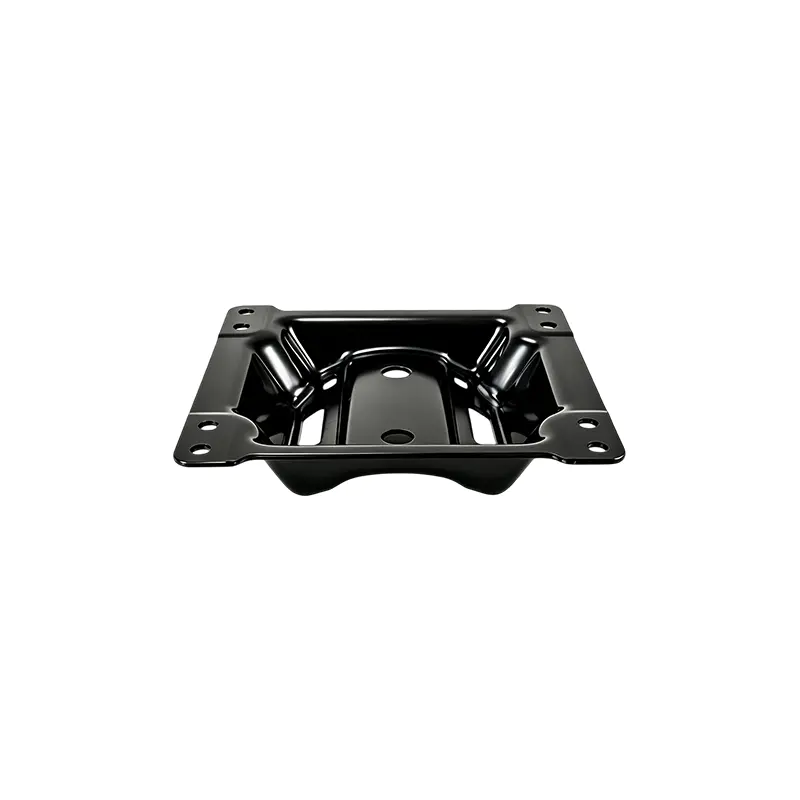
The welded flange plate serves as the mounting and positioning feature of the housing. It can be used to connect the motor housing to a fan volute, support bracket, or other installation structure. The flange provides a defined connection surface and can help simplify the positioning of the housing during final assembly.
A properly located flange improves coaxiality accuracy between the motor housing and the fan structure. Coaxiality is especially important in rotating equipment because the motor shaft, rotor, impeller, and supporting components must operate around compatible centerlines. If the mounting interface is inaccurately positioned, the finished assembly may experience excessive vibration, uneven bearing loads, increased noise, or shortened service life.
The flange also increases assembly efficiency. Instead of relying on several separate pieces or complex adjustment procedures, the integrally welded flange provides a ready-to-use mounting interface. This can reduce handling steps, improve assembly consistency, and make the production line easier to organize.
Welded Structural Connection
The connection between the flange plate and housing body is a major performance feature. The weld must provide sufficient strength and continuity to withstand loads generated during fan startup, normal operation, speed regulation, and shutdown. These loads may include vibration, torsion, cyclic stress, and localized forces transmitted through the mounting structure.
High-standard welding technology helps create a firm and uniform joint. Important welding considerations include joint preparation, positioning accuracy, heat input, weld continuity, penetration, dimensional control, and post-welding inspection. A controlled welding process reduces the risk of weak spots, excessive spatter, incomplete fusion, distortion, and inconsistent appearance.
Because the flange is part of the housing’s structural interface, the quality of the weld affects more than visual appearance. It influences the stiffness of the assembly, the stability of the mounting relationship, and the ability of the housing to resist repeated operating loads. A well-executed weld makes the flange and housing function as one integrated component.
Performance Advantages Compared with Conventional Alternatives
Improved Dimensional Stability
One of the main advantages of this fan motor housing is its focus on dimensional stability. A housing with a controlled 130 millimeter inner diameter and uniform wall thickness provides a more predictable base for motor assembly than a product with inconsistent forming or uncontrolled deformation.
Dimensional stability reduces the need for excessive manual adjustment during assembly. It also supports repeatable positioning of the stator and related parts. For manufacturers producing multiple motors with the same design, this repeatability can improve production efficiency and reduce variation between finished units.
Compared with loosely controlled fabricated housings, a precision-engineered housing can also reduce the risk of fit problems. This is valuable in applications where the housing must interface with a fan volute, bracket, bearing support, or other accurately located component.
Greater Resistance to Vibration and Torsion
Fan motors often operate for extended periods and may experience frequent changes in speed. Startup and shutdown cycles can produce transient loads, while speed regulation can cause repeated changes in rotational force. The welded flange connection is designed to remain stable under these conditions.
A weak or poorly aligned mounting interface may amplify vibration or allow gradual movement between parts. By contrast, a rigid flange integrated with the housing can improve structural stability and reduce the likelihood of connection movement. This helps support consistent fan operation and protects the accuracy of the motor installation.
The steel structure also offers useful mechanical strength for applications that require a durable protective enclosure. Compared with thin or poorly supported alternatives, a properly designed steel housing can provide greater resistance to impact, mounting stress, and operational deformation.
Better Coaxiality and Alignment Support
Correct alignment is essential for motor and fan performance. The motor shaft and fan impeller must rotate with minimal runout and without unnecessary side loading. The housing and flange are therefore important contributors to the overall alignment chain.
The precision flange design facilitates positioning against the fan volute or mounting bracket. When the flange is accurately located and the housing remains geometrically stable, installers can achieve better coaxiality with fewer corrective adjustments. This can be particularly beneficial in automated or semi-automated production environments where repeatable assembly is required.
Improved alignment can contribute to lower vibration, reduced operating noise, lower bearing stress, and more consistent motor efficiency. It can also make troubleshooting easier because the housing provides a reliable reference structure for checking the assembly.
Simplified Assembly
The integrated flange helps simplify the overall assembly process. The part arrives with the mounting feature already attached, reducing the number of separate components that must be handled and positioned. This may lower labor requirements, reduce opportunities for installation error, and shorten assembly time.
In a high-volume manufacturing environment, even a small reduction in assembly steps can produce meaningful productivity gains. A consistent flange location also supports the use of fixtures, gauges, and standardized assembly procedures.
Compared with housings that require separate brackets, loose fasteners, or extensive manual alignment, the welded flange design provides a more direct and efficient solution. It combines protection, structural support, and mounting functionality within a single component.
Reliable Long-Term Protection
The housing protects the motor’s internal components from external mechanical contact and helps maintain a stable environment around the stator and rotor. The steel enclosure can also support the structural integrity of the motor during transport, installation, and operation.
When combined with suitable surface treatment, the housing may be adapted for applications requiring improved resistance to corrosion, moisture, handling damage, or industrial exposure. The selected finish should be matched to the operating environment, temperature, humidity, chemical exposure, and customer service-life expectations.
The product’s protective role is especially important in fan systems installed in equipment, appliances, ventilation assemblies, industrial machinery, and other applications where the motor must remain securely supported over a long operating period.
Manufacturing Process Capabilities
Material Preparation
Motor housing production begins with appropriate steel material selection and preparation. Material choice affects strength, formability, weldability, corrosion resistance, surface quality, and final cost. Depending on the application, customers may require carbon steel, low-alloy steel, stainless steel, or another suitable grade.
Material preparation includes incoming inspection, thickness verification, surface assessment, cutting, and identification control. Consistent raw material quality is important because variations in thickness or surface condition can influence forming accuracy and welding performance.
Jiangsu Yufeng Electric integrates steel processing into its overall production system. This helps the company coordinate material preparation with downstream stamping, welding, machining, and inspection operations. Such coordination is beneficial when customers require customized dimensions or specific material conditions.
Stamping and Forming
Stamping and forming processes are used to create precise steel components and support repeatable production. Depending on the design, the housing body or associated parts may be formed through controlled tooling and press operations. Proper forming reduces dimensional variation and helps preserve the intended cylindrical geometry.
Tooling condition, press accuracy, material direction, forming sequence, and part support all influence the final result. A controlled forming process helps minimize wrinkles, cracks, excessive springback, and local distortion. It also creates a more consistent basis for subsequent welding and machining.
For production programs involving large quantities, stamping offers advantages in repeatability and productivity. It can help maintain consistent dimensions across batches while reducing dependence on highly variable manual fabrication methods.
Welding Assembly
After forming, the housing body and flange plate are positioned for welding. The assembly fixture must hold the components securely and maintain the required relationship during the welding cycle. Accurate fixturing is important because thermal expansion and contraction can otherwise cause flange displacement or housing distortion.
Automated or controlled welding equipment supports consistent weld quality. Depending on the material and design, suitable welding methods may be selected to balance productivity, penetration, appearance, heat input, and distortion control. The process can be adjusted according to plate thickness, joint configuration, production volume, and performance requirements.
Uniform and firm welds are essential for the finished component. Weld inspection may include visual examination, dimensional checking, sample testing, and other methods selected according to customer specifications. The objective is to ensure that the flange is securely integrated with the housing and remains capable of carrying operational loads.
Jiangsu Yufeng’s automated welding equipment supports the company’s ability to deliver repeatable welded assemblies. Automation can help improve torch or tool movement consistency, reduce operator-dependent variation, and maintain stable production rhythm.
Machining and Precision Finishing
Machining may be applied to critical surfaces, openings, mounting areas, or reference features that require tighter tolerances than forming alone can provide. Machined areas can improve fit with mating components and support more accurate assembly.
Machining operations may include turning, milling, drilling, boring, facing, reaming, or other processes suited to the design. The exact operation depends on the housing geometry and the customer’s drawing requirements. Where necessary, machining can be performed after welding to correct or refine important dimensions affected by the joining process.
Post-weld machining is particularly useful when the flange face, centerline, mounting holes, or internal reference surfaces must meet defined positional tolerances. By combining welding and machining capabilities, the manufacturer can manage the complete dimensional chain more effectively.
Surface Treatment
Surface treatment protects the steel housing and improves its suitability for the intended operating environment. Depending on the material and application, available approaches may include cleaning, degreasing, shot blasting, painting, powder coating, plating, passivation, or other specified finishes.
A suitable surface treatment can improve resistance to corrosion and handling damage while also providing a consistent appearance. For stainless steel motor housings, passivation or related treatments may be considered where required. For carbon steel housings, coating systems may be selected according to indoor, outdoor, humid, industrial, or appliance applications.
Surface preparation is as important as the coating itself. Oil, scale, dust, and welding residue should be properly managed before finishing. Consistent treatment supports coating adhesion, visual quality, and long-term protective performance.
Inspection and Quality Control
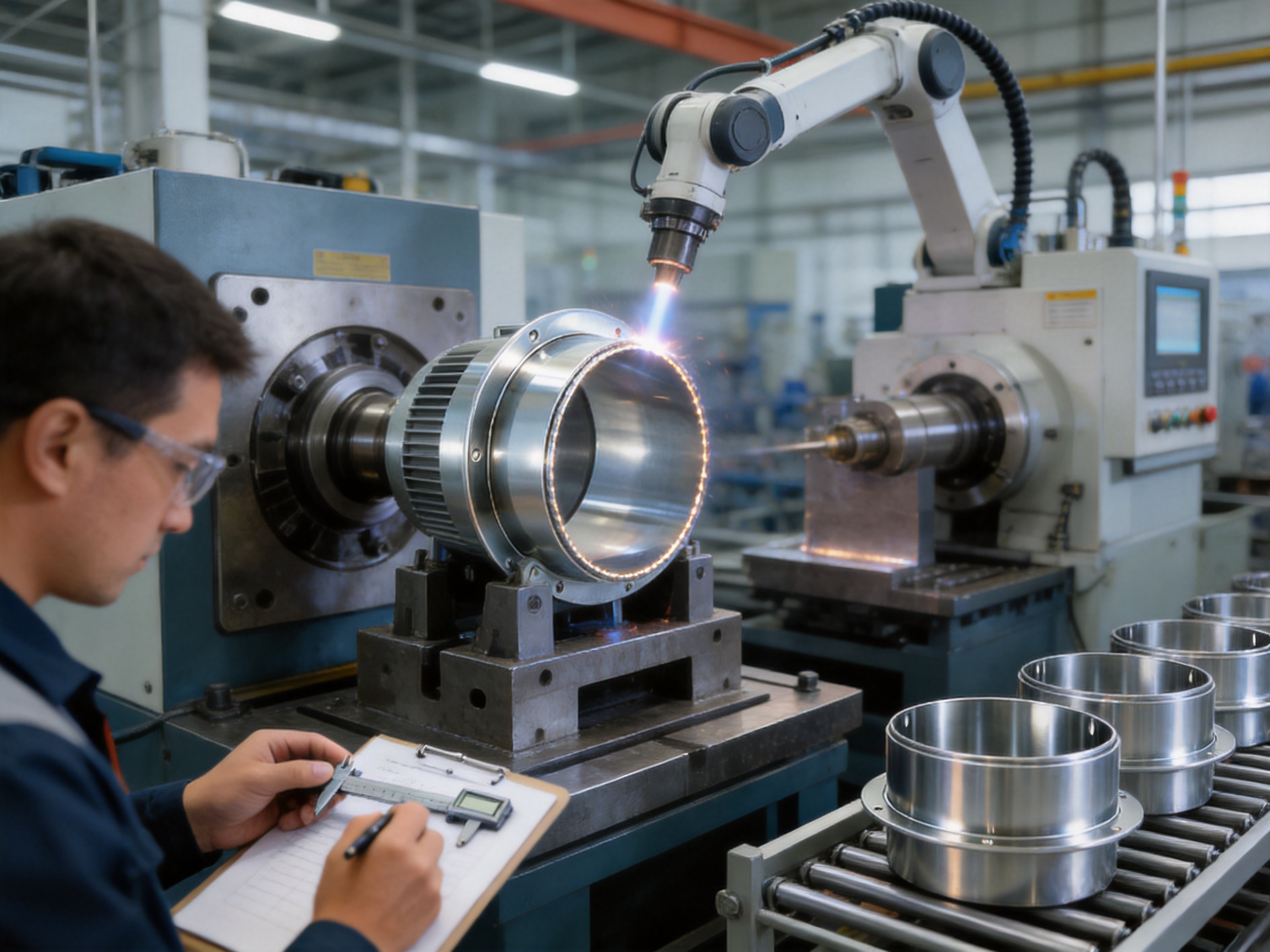
Quality control is applied throughout the production process rather than only at final inspection. Incoming material checks help verify the starting condition. In-process checks monitor forming, welding, machining, and dimensional performance. Final inspection confirms that the completed housing meets applicable specifications.
Typical inspection items may include inner diameter, outer dimensions, wall thickness, flange position, flatness, hole location, circularity, straightness, weld appearance, weld continuity, surface condition, and overall fit. The inspection plan can be adjusted according to the product drawing, application risk, production volume, and customer quality requirements.
Jiangsu Yufeng supports its manufacturing activities with inspection instruments and production experience. The company’s engineering team, with an average of more than 20 years of experience, can assist with design review, process development, tolerance analysis, and mass-production support.
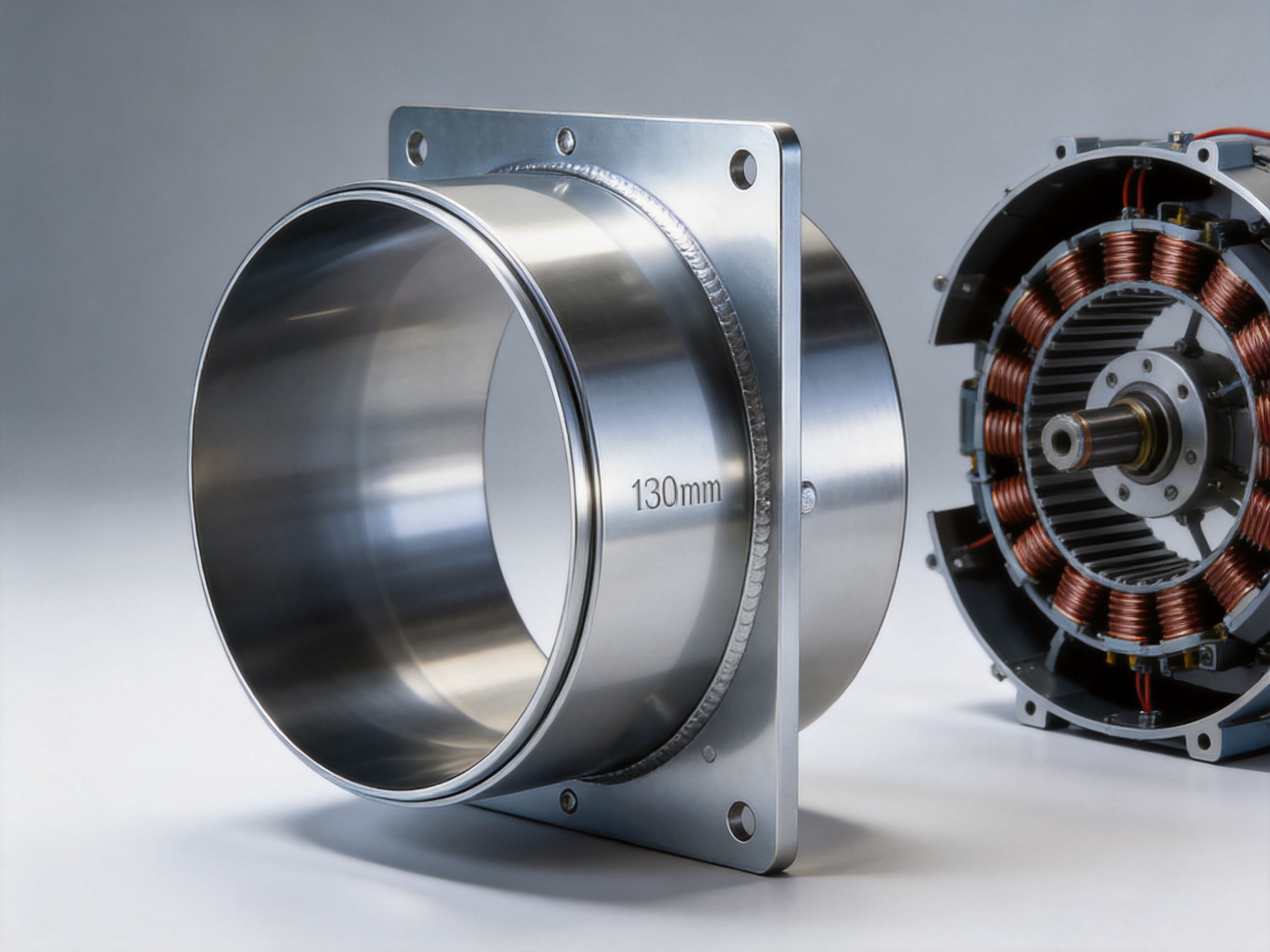
Advantages of Integrated In-House Production
Full-process manufacturing provides several practical advantages for motor housing customers. When stamping, welding, machining, assembly, and finishing are coordinated within one manufacturing organization, communication between departments is more direct. Engineering changes can be evaluated more quickly, and production issues can be traced more efficiently.
Integrated production also supports better control over the relationship between processes. For example, forming affects welding fit, welding affects distortion, and machining may correct or refine dimensions after joining. Managing these processes together makes it easier to optimize the complete manufacturing route rather than improving one stage while creating problems in another.
For customized motor housings, this capability can reduce the complexity of supplier management. Instead of coordinating several independent vendors for steel forming, welding, machining, and surface treatment, customers can work with one manufacturing partner for a larger portion of the supply chain.
In-house production may also improve delivery coordination. Material preparation, production scheduling, inspection, and final shipment can be planned through a unified system. This is valuable for customers that require stable supply, repeat orders, engineering modifications, or production ramp-up.
Engineering Support from Development to Mass Production
Motor housing development often begins with a drawing, sample, concept, or dimensional requirement. The final product must then be translated into a manufacturable structure. Engineering support is important at this stage because a design that appears acceptable on paper may need changes to improve forming, welding access, machining efficiency, or inspection feasibility.
Jiangsu Yufeng provides technical support from product development through mass production. Engineering activities may include design review, manufacturability analysis, material recommendations, process planning, tooling coordination, welding method selection, tolerance review, and sample evaluation.
This approach allows potential production risks to be considered before full-scale manufacturing begins. It may also help customers reduce redesign cycles and achieve a smoother transition from prototype to stable production.
Production Capacity and Supply Support
The company has 40 years of experience in motor housing manufacturing, has served more than 50 customers, and reports an annual production capacity of over 5 million units. These figures indicate experience with both product development and repetitive production management.
Capacity is important for customers that require long-term supply, seasonal increases, or multiple housing models. A manufacturer with established production systems can typically organize tooling, material purchasing, inspection, packaging, and shipment more effectively than a supplier focused only on small-batch fabrication.
Production capacity must be combined with quality control. High output is valuable only when dimensional consistency and process stability are maintained. The company’s focus on stamping, automated welding, machining, inspection, and finishing is intended to support both productivity and product reliability.
Application Areas
Household Appliances
Fan motor housings are widely used in household appliances where motors must operate quietly, safely, and reliably. Applications may include ventilation equipment, air circulation systems, cooling devices, exhaust assemblies, and other products containing compact electric fans.
In appliance applications, appearance, noise, assembly speed, and corrosion resistance may be important in addition to mechanical strength. A housing with a consistent flange and controlled dimensions can help appliance manufacturers maintain reliable assembly procedures and stable product quality.
Industrial Drives and Ventilation Equipment
Industrial fan systems may operate for long periods and may be exposed to vibration, dust, humidity, temperature changes, or repeated load cycles. The housing must provide dependable mechanical support and protect the motor assembly under demanding conditions.
The steel construction and welded mounting flange are suitable for applications where rigidity and durability are important. Surface treatment can be selected according to the industrial environment, while machining and inspection can be adapted to more demanding alignment requirements.
New Energy Vehicles and Related Equipment
New energy vehicles and related systems use many compact motors, fans, pumps, and thermal management devices. These systems may require lightweight optimization, dimensional consistency, vibration resistance, and reliable long-term performance.
Although the final housing design must be developed according to the specific vehicle or equipment platform, the manufacturing principles used for this fan motor housing are relevant to such applications. Controlled forming, stable welding, precision machining, and traceable inspection can support the production of motor housings for advanced mobility systems.
Special Equipment
Special equipment often requires customized motor housings rather than standard catalog components. The housing may need a particular inner diameter, wall thickness, flange configuration, hole pattern, material grade, or surface finish.
A manufacturer with integrated engineering and production resources can adapt the design and manufacturing route to these requirements. Customization may include prototype development, low-volume production, or transition to high-volume manufacturing after approval.
Customization Options
The 130 millimeter inner diameter is a defining specification for this product, but motor housing dimensions can be developed according to customer drawings and application requirements. Possible customization areas include internal diameter, external diameter, length, wall thickness, flange size, flange position, mounting holes, locating features, weld configuration, and surface treatment.
Material customization may include different steel grades selected for strength, corrosion resistance, forming behavior, or temperature performance. Stainless steel may be suitable for applications with higher corrosion requirements, while carbon steel may provide an efficient solution for general industrial or appliance use when properly protected.
Customers may also specify dimensional tolerances and inspection requirements. Critical dimensions can be identified during technical review so that the manufacturing process and measurement methods are aligned with the actual performance needs of the motor assembly.
Packaging and delivery requirements can also be coordinated. Housings may require protective separators, moisture control, special stacking methods, or labeling for production-line use. Proper packaging helps prevent flange deformation, surface damage, and confusion between similar models during transportation and storage.
Installation and Assembly Considerations
Before installation, the housing should be checked for visible damage, contamination, deformation, and dimensional conformity. The inner surface should be clean and free from burrs or foreign material that could interfere with stator installation or internal clearances.
The flange contact surface should be positioned against the designated mounting structure. Fasteners, locating pins, or other connection elements should be installed according to the approved assembly procedure. Excessive tightening force should be avoided because it may distort the flange or connected components.
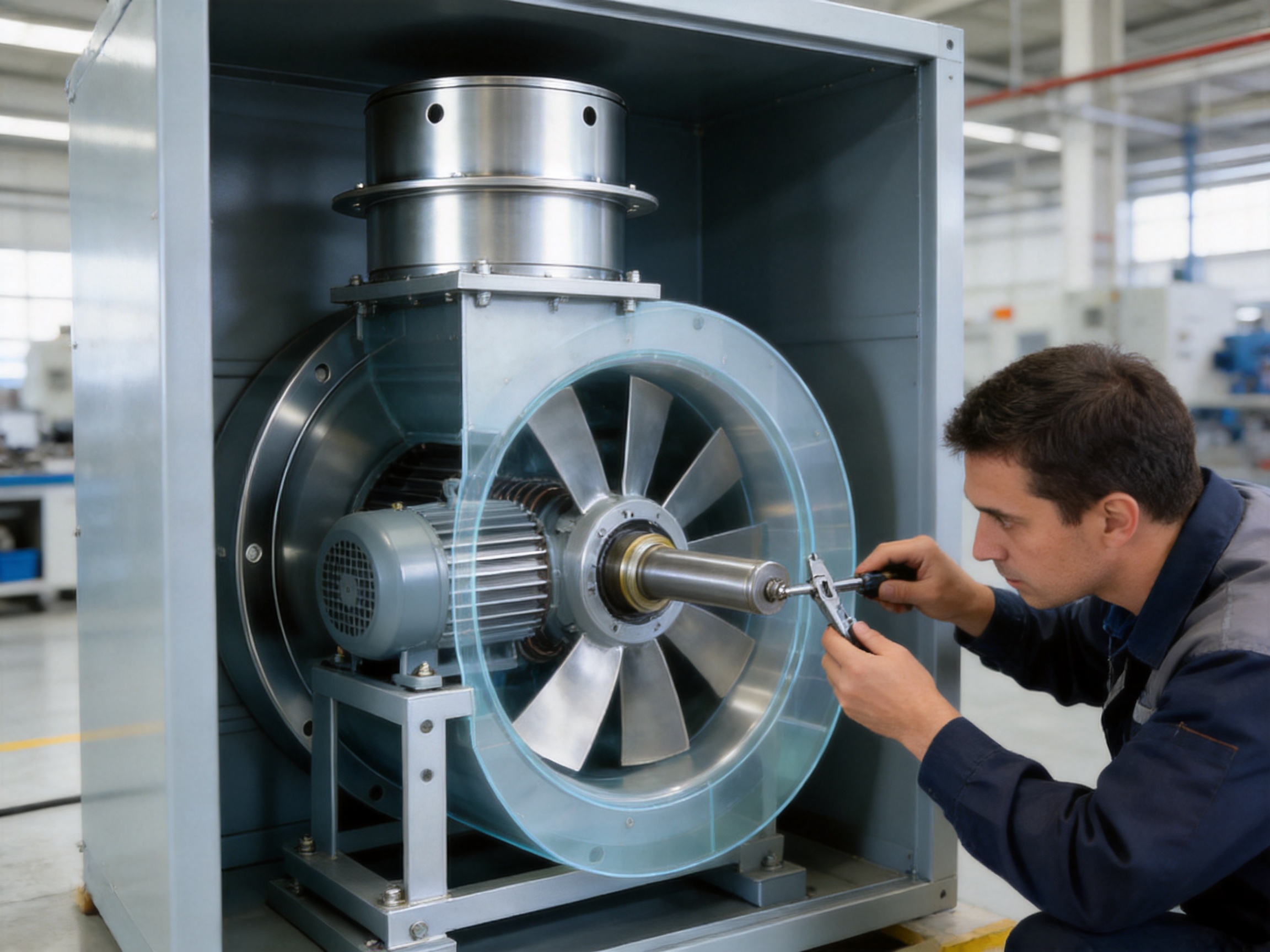
After the housing is mounted, the motor centerline and shaft alignment should be verified where required. The flange provides a useful reference, but the final assembly should still be checked using appropriate fixtures, gauges, or measurement procedures.
If the housing is used in a rotating fan assembly, the completed system should be evaluated for vibration, noise, temperature, and operational stability. These checks help confirm that the housing, motor, impeller, and mounting structure are functioning together as intended.
Installation conditions can affect product performance. A correctly manufactured housing may still experience problems if it is mounted on an uneven support, exposed to excessive external vibration, subjected to inappropriate fastener loads, or used outside its intended environmental conditions.
Why Manufacturing Quality Matters in Motor Housings
Motor housing quality directly influences the performance of the complete motor system. Dimensional errors can affect fit. Poor alignment can increase vibration. Weak welds can reduce structural reliability. Uneven wall thickness can lead to deformation or imbalance. Inadequate surface treatment can accelerate corrosion.
These risks are interconnected. A housing that is dimensionally accurate but poorly welded may still fail to meet application requirements. Similarly, a strong housing with an inaccurately located flange may create assembly and alignment problems. For this reason, motor housing manufacturing must be managed as a complete process.
Jiangsu Yufeng’s production model addresses this need by combining material processing, forming, welding, machining, assembly, finishing, and inspection. The company’s experience in motor housing manufacturing supports practical process decisions and enables the product to be evaluated from both design and production perspectives.
The emphasis on quality, efficiency, and fast response is relevant to customers seeking a dependable long-term supplier. A housing supplier must not only produce an individual part but also maintain consistent performance across repeated orders, engineering changes, and production volumes.
Technical Summary
| Item | Specification or Feature | Functional Benefit |
|---|---|---|
| Product | Fan Motor Housing | Protects and supports the motor stator and rotor assemblies |
| Product identification | ID900030 | Supports product identification and order coordination |
| Category | Part of Motor | Designed for integration into a complete fan motor assembly |
| Inner diameter | 130 millimeters | Provides a controlled internal space for motor components |
| Housing structure | Precision-engineered steel cylindrical body | Offers mechanical protection and stable structural support |
| Wall condition | Uniform wall thickness | Supports consistent strength, dimensional stability, and heat behavior |
| Mounting feature | Dedicated welded flange plate | Facilitates positioning and connection to a fan volute or bracket |
| Welding quality objective | Uniform, firm, and strongly bonded weld | Resists vibration and torsional loads during operation |
| Manufacturing capabilities | Stamping, welding, machining, assembly, and surface treatment | Enables coordinated full-process production |
| Typical applications | Household appliances, industrial drives, new energy vehicles, and special equipment | Supports diverse motor housing requirements |
| Customization | Material, dimensions, flange details, machining, and finish | Allows adaptation to customer drawings and operating conditions |
Quality, Efficiency, and Supplier Value
For buyers of motor housings, supplier value is determined by more than the unit price. Product quality, delivery reliability, engineering responsiveness, process transparency, and the ability to support design changes all affect the total cost of ownership.
A dimensionally stable housing can reduce assembly labor and rework. A well-positioned flange can reduce alignment adjustments. A reliable welded joint can reduce field failures and maintenance risk. Consistent surface treatment can reduce corrosion-related issues. These benefits may create savings throughout the product life cycle.
Jiangsu Yufeng Electric’s manufacturing model is structured to provide these types of benefits. Its full in-house production system reduces reliance on disconnected subcontracting stages. Its engineering team supports development and mass production. Its production capacity supports larger orders, while its experience helps address practical manufacturing challenges.
Fast response is also important when a customer needs a quotation, drawing review, sample, process change, or delivery update. A responsive supplier can help customers maintain project schedules and react more efficiently to market demands.
For companies developing new fan motor assemblies, early technical communication is recommended. Sharing drawings, material requirements, tolerance data, operating conditions, annual demand, and inspection expectations allows the housing design and manufacturing process to be evaluated more accurately.
Frequently Asked Questions
What is the primary function of this fan motor housing?
The primary function is to protect and support the motor stator and rotor assemblies while providing a stable structural connection to the fan system. The housing also helps maintain the required motor geometry and installation alignment.
What is the inner diameter of the housing?
The specified inner diameter is 130 millimeters. This dimension provides the internal reference space for the motor assembly and should be confirmed against the customer’s final motor design and clearance requirements.
Why is uniform wall thickness important?
Uniform wall thickness helps distribute mechanical loads consistently, reduce local deformation, support predictable welding behavior, and maintain stable dimensions. It can also help reduce vibration and noise risks associated with irregular housing geometry.
What is the purpose of the welded flange plate?
The flange plate provides a defined mounting and positioning interface. It can be connected to a fan volute, mounting bracket, or other support structure. Its integrated design simplifies assembly and supports coaxiality between the motor and fan components.
Can the flange withstand fan operating loads?
The flange is designed to be welded firmly to the housing using controlled welding technology. The completed joint is intended to withstand vibration and torsional loads generated during startup, operation, and speed regulation. Final load capability should be verified according to the customer’s application and approved technical specification.
Can this housing be customized?
Yes. Customization may include material grade, inner and outer dimensions, length, wall thickness, flange geometry, mounting holes, machining requirements, surface treatment, and inspection criteria. Technical feasibility should be reviewed using the customer’s drawings and operating conditions.
Which materials can be used for motor housings?
Steel is the primary material category for this product. Depending on the application, carbon steel, low-alloy steel, stainless steel, or another suitable grade may be considered. The final selection should account for strength, corrosion resistance, formability, weldability, temperature, and cost.
What manufacturing processes are available?
The manufacturer provides stamping, welding, machining, assembly, and surface treatment capabilities. These processes can be coordinated to produce a finished housing from steel material through final inspection and delivery.
How does integrated manufacturing benefit customers?
Integrated manufacturing reduces communication gaps between process stages, improves control over dimensional relationships, supports faster engineering changes, and simplifies supplier coordination. It can also provide better consistency from prototype development to mass production.
What applications are suitable for this product?
The housing is suitable for fan motor systems used in household appliances, industrial drives, ventilation equipment, new energy vehicles, and special equipment. The exact suitability depends on the motor design, operating environment, load conditions, and customer specifications.
How can customers begin a development project?
Customers can provide a drawing, sample, three-dimensional model, or basic dimensional and performance requirements. It is also useful to provide information about material, annual demand, operating temperature, vibration, corrosion exposure, surface finish, tolerances, and inspection standards.
Does the company support mass production?
Yes. Jiangsu Yufeng Electric reports an annual production capacity of more than 5 million units and supports product development through mass production. Production planning can be coordinated according to the customer’s forecast, order quantity, delivery schedule, and quality requirements.
Conclusion
The Fan Motor Housing is a precision-engineered steel component designed to provide protection, structural support, reliable mounting, and improved assembly accuracy for fan motor systems. Its 130 millimeter inner diameter, uniform wall thickness, and integrated welded flange address several of the most important requirements in motor housing production.
The housing’s advantages include dimensional stability, resistance to vibration and torsional loading, improved positioning, simplified assembly, and compatibility with a range of fan motor applications. The flange design supports a secure connection with the fan volute or mounting bracket, while the cylindrical body creates a stable protective space for the stator and rotor assemblies.
Its manufacturing value is strengthened by Jiangsu Yufeng Electric’s full-process capabilities. Stamping, welding, machining, assembly, surface treatment, and inspection are coordinated within an integrated production system. Supported by decades of motor housing experience, an experienced engineering team, inspection equipment, automated welding resources, and substantial annual capacity, the company is positioned to support both customized development and repeat mass production.
For customers seeking a dependable motor housing supplier, the product offers a practical combination of precision, strength, assembly efficiency, and manufacturing flexibility. By reviewing the application requirements early and selecting suitable materials, tolerances, welding specifications, and surface treatments, customers can develop a housing solution that supports reliable fan motor performance throughout its service life.
References
1. Electric Motor Engineering Principles, guidance on motor construction, alignment, vibration, and housing design.
2. Steel Fabrication and Welding Practice, general principles for material preparation, forming, welding quality, and distortion control.
3. Industrial Dimensional Inspection Methods, guidance on diameter, flatness, circularity, position, and tolerance verification.
4. Motor and Fan Assembly Design Practices, recommendations for mounting interfaces, coaxiality, structural support, and operating reliability.
5. Surface Treatment of Steel Components, general considerations for cleaning, coating, corrosion protection, and finish selection.

 Previous