

 English
 Español
Content
- 1 Product Overview
- 2 Why Heavy-Wall Construction Matters
- 3 Advantages of Seamless Steel Tube Construction
- 4 Material Selection and Engineering Value
- 5 Dimensional Accuracy and Motor Assembly Performance
- 6 Manufacturing Process and Production Capabilities
- 7 Advantages Compared with Conventional Alternatives
- 8 Industrial Applications
- 9 Design and Customization Considerations
- 10 Quality, Reliability, and Supply Advantages
- 11 Recommended Inspection Points
- 12 Installation and Handling Guidance
- 13 Why Choose an Experienced Integrated Manufacturer
- 14 Procurement and Development Process
- 15 Environmental and Service Considerations
- 16 Conclusion
- 17 Questions and Answers
- 17.1 What is the main function of this motor housing?
- 17.2 What is the inner diameter of the housing?
- 17.3 What is the wall thickness?
- 17.4 What is the housing height?
- 17.5 What material is used?
- 17.6 Is the housing welded?
- 17.7 Why is seamless construction advantageous?
- 17.8 Can the housing be customized?
- 17.9 What manufacturing processes does the supplier provide?
- 17.10 Which industries can use this housing?
- 17.11 What should be confirmed before ordering?
- 17.12 Does the heavy wall improve motor performance?
- 17.13 Can this housing be used outdoors?
- 17.14 How should the product be inspected?
- 18 References
- 19 Product: Inner Diameter 127 Heavy-Wall Motor Housing
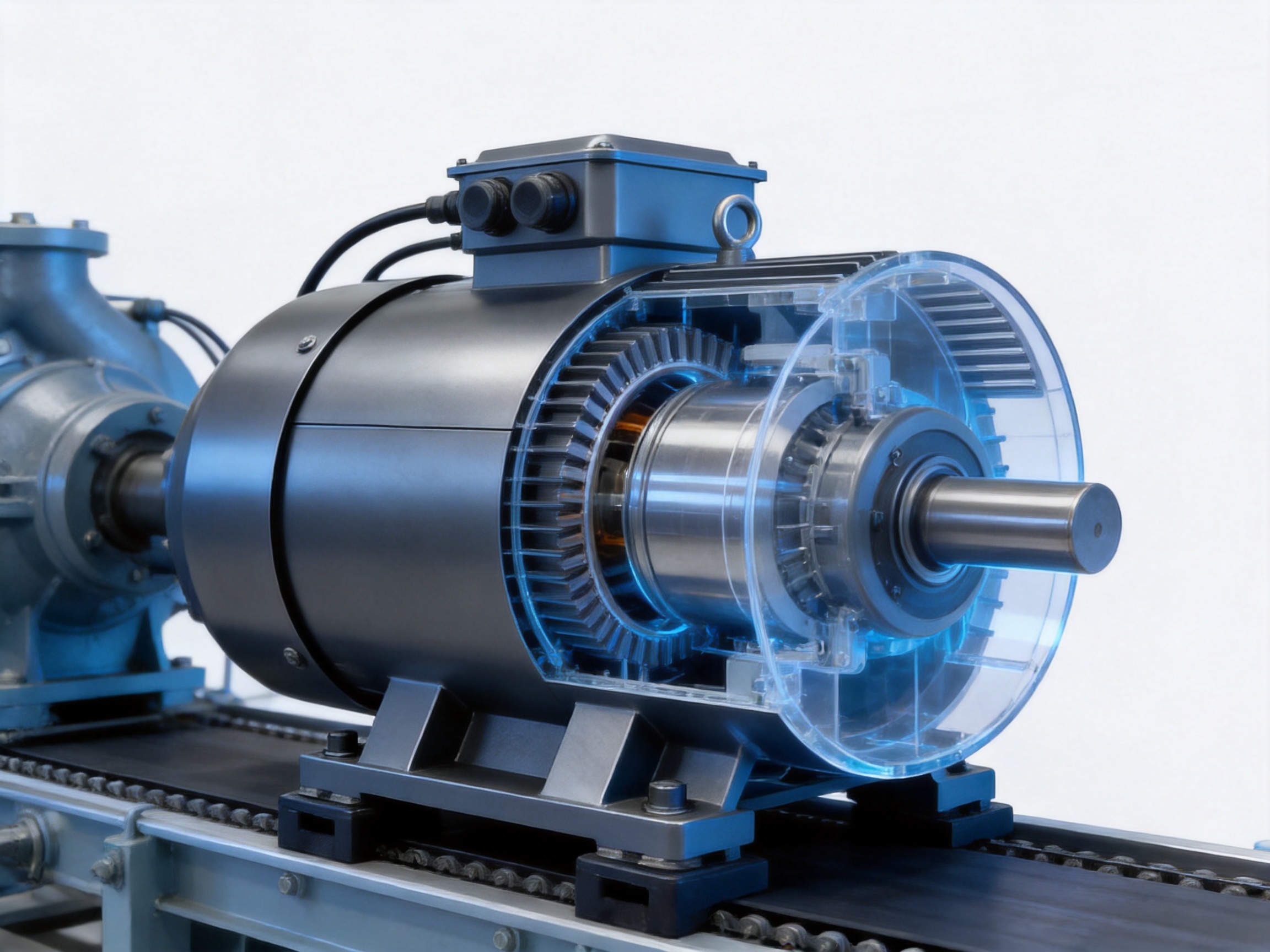
Motor housings are essential structural components in electric motors, industrial drives, household appliances, new energy equipment, and special-purpose machinery. Although a housing may appear to be a simple cylindrical part, its dimensional accuracy, material consistency, wall thickness, and resistance to mechanical stress directly influence motor performance, service life, noise behavior, assembly efficiency, and maintenance requirements. A housing that is not sufficiently rigid can allow vibration, misalignment, distortion, or premature wear. For applications involving high torque, continuous operation, or demanding environmental conditions, the housing must provide a dependable foundation for the motor’s internal components.
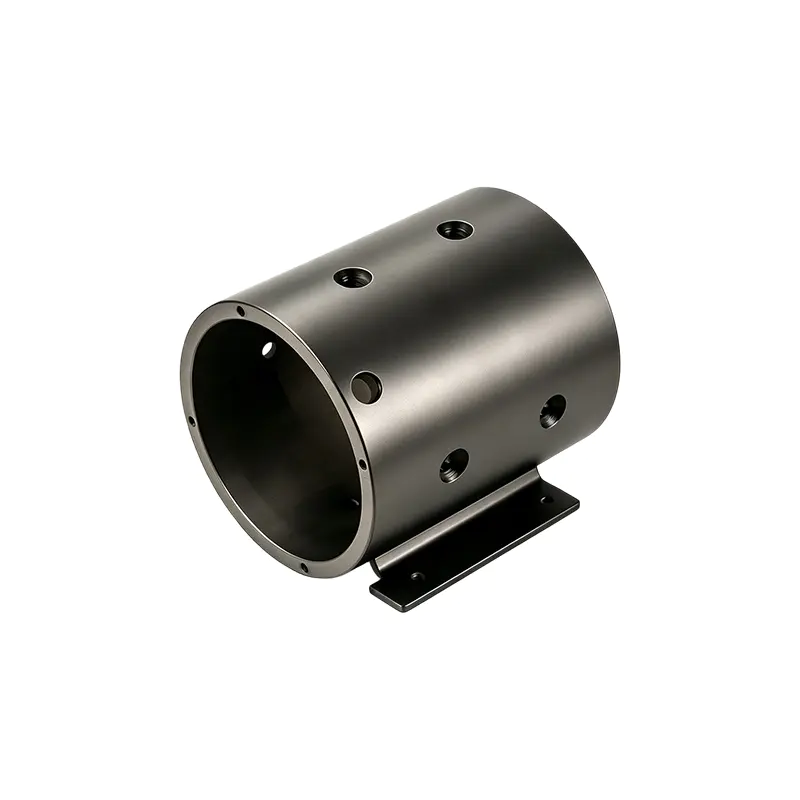
The Inner Diameter 127 Heavy-Wall Motor Housing is designed for applications requiring a combination of accurate internal dimensions, substantial structural strength, and dependable long-term performance. Manufactured from high-quality seamless steel tubing, this housing has an inner diameter of 127 millimeters, a height of 189 millimeters, and a wall thickness of 7.9 millimeters. Its material specification is 20#, a commonly used carbon steel designation suitable for a broad range of engineering and industrial manufacturing applications.
The product is identified as ID127023 and belongs to the steel tube motor housing category. Its heavy-wall configuration makes it especially suitable for motor assemblies exposed to significant torque, vibration, mechanical loading, and repeated operating cycles. Compared with thinner-wall or welded alternatives, its seamless one-piece construction provides a strong foundation for dimensional stability, torsional resistance, and fatigue performance.
Jiangsu Yufeng Electric Co., Ltd. manufactures this type of motor housing through an integrated production system that includes steel processing, stamping, welding assembly, machining, surface treatment, and inspection. The company’s ability to coordinate multiple production stages within one organization supports consistent quality control from initial material preparation through finished product delivery.
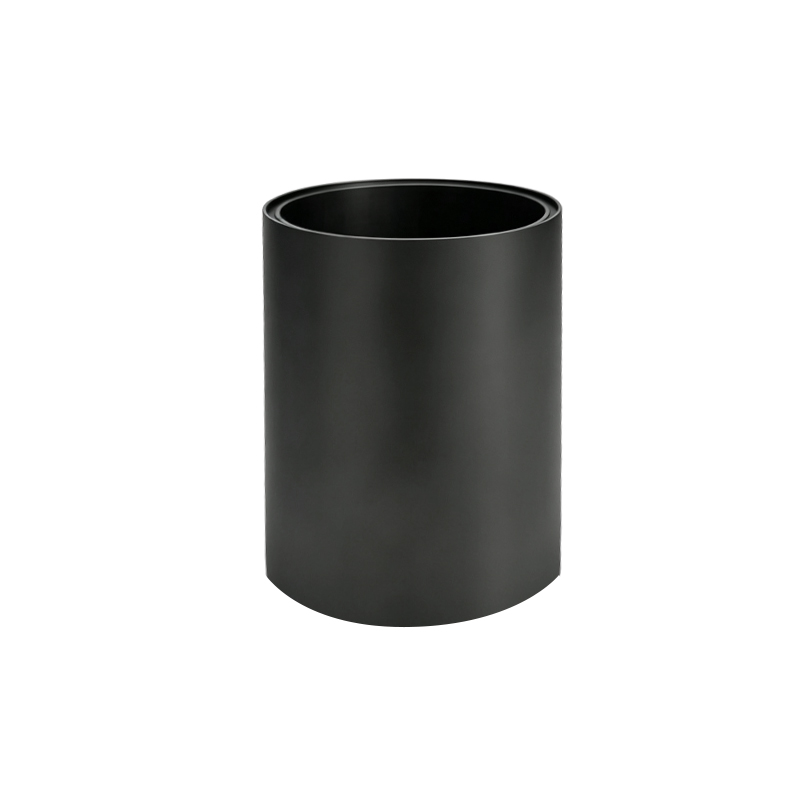
Inner Diameter 127 Heavy-Wall Motor Housing
Product Overview
The Inner Diameter 127 Heavy-Wall Motor Housing is engineered as a cylindrical steel enclosure for motor assemblies. Its principal function is to protect and support internal motor components while maintaining the alignment and mechanical stability required for reliable operation. The housing can form the external structural body of a motor and can also serve as a reference surface for the installation of related components, depending on the customer’s motor design.
The 127-millimeter internal diameter is a critical dimensional feature. It determines the available internal space for the motor’s stator, insulation system, winding assembly, bearing-related structures, or other internal components. Maintaining the specified diameter is important because excessive clearance can affect assembly alignment, while insufficient clearance can interfere with component installation or create unwanted contact during operation.
The housing height is 189 millimeters. This dimension contributes to the overall axial envelope of the motor assembly and may influence the available installation length for internal components. Together, the inner diameter and height define the fundamental dimensional framework of the housing, while the 7.9-millimeter wall thickness provides the body with a substantial load-bearing section.
A heavy wall is particularly valuable when a motor operates under high torque or vibration. During operation, torque generated by the motor can produce reaction forces that are transferred through the stator, end structures, mounting features, and housing. Repeated vibration can also create cyclic stresses. A robust wall helps the housing resist deformation and retain its geometry over extended service periods.
Key Product Specifications
| Specification | Value | Engineering Significance |
|---|---|---|
| Product name | Inner Diameter 127 Heavy-Wall Motor Housing | Identifies the housing design and primary dimensional feature |
| Product code | ID127023 | Supports product identification and order coordination |
| Category | Steel Tube Motor Housing | Indicates the principal construction and application type |
| Inner diameter | 127 mm | Defines the internal motor assembly space |
| Height | 189 mm | Defines the axial housing dimension |
| Wall thickness | 7.9 mm | Provides substantial structural support and rigidity |
| Material specification | 20# | Provides a steel base for forming, machining, and industrial use |
| Construction | Seamless, one-piece steel tube | Reduces reliance on a longitudinal welded seam |
Why Heavy-Wall Construction Matters
Wall thickness is one of the most important structural characteristics of a motor housing. It affects stiffness, resistance to local deformation, heat-transfer behavior, machining allowance, mounting strength, and the housing’s ability to withstand accidental impacts or assembly forces. A 7.9-millimeter wall represents a substantial structural section for a motor enclosure and is intended for situations in which a lightweight shell may not provide sufficient mechanical stability.
When a motor produces torque, the housing must withstand reaction forces without excessive twisting. If the housing flexes, the internal motor components may experience changes in alignment. Even small changes can influence bearing loading, rotor clearance, vibration, noise, and wear. A heavy-wall design helps preserve the intended geometric relationship between the internal components and the outer housing.
Vibration resistance is another important advantage. Motors may be subjected to vibration generated by electromagnetic forces, rotating imbalance, gear interaction, external machinery, or variable operating loads. A heavier and more rigid housing can reduce the likelihood of resonant deformation and can provide a more stable enclosure for the motor’s active components.
Heavy-wall steel construction also supports reliable machining. A thin shell can be more vulnerable to distortion during turning, boring, drilling, or fixture clamping. The greater material section of this housing offers improved resistance to clamping forces and machining pressure. This helps maintain dimensional accuracy during subsequent processing, particularly when the housing requires precision interfaces or mounting features.
For customers designing motors for continuous-duty industrial applications, the heavy-wall format can also provide a greater margin against long-term fatigue. Fatigue damage is influenced by stress concentration, load cycles, material condition, and operating environment. No housing can eliminate fatigue risk entirely, but a robust section and seamless construction can help reduce localized weakness associated with thin or interrupted structures.
Advantages of Seamless Steel Tube Construction
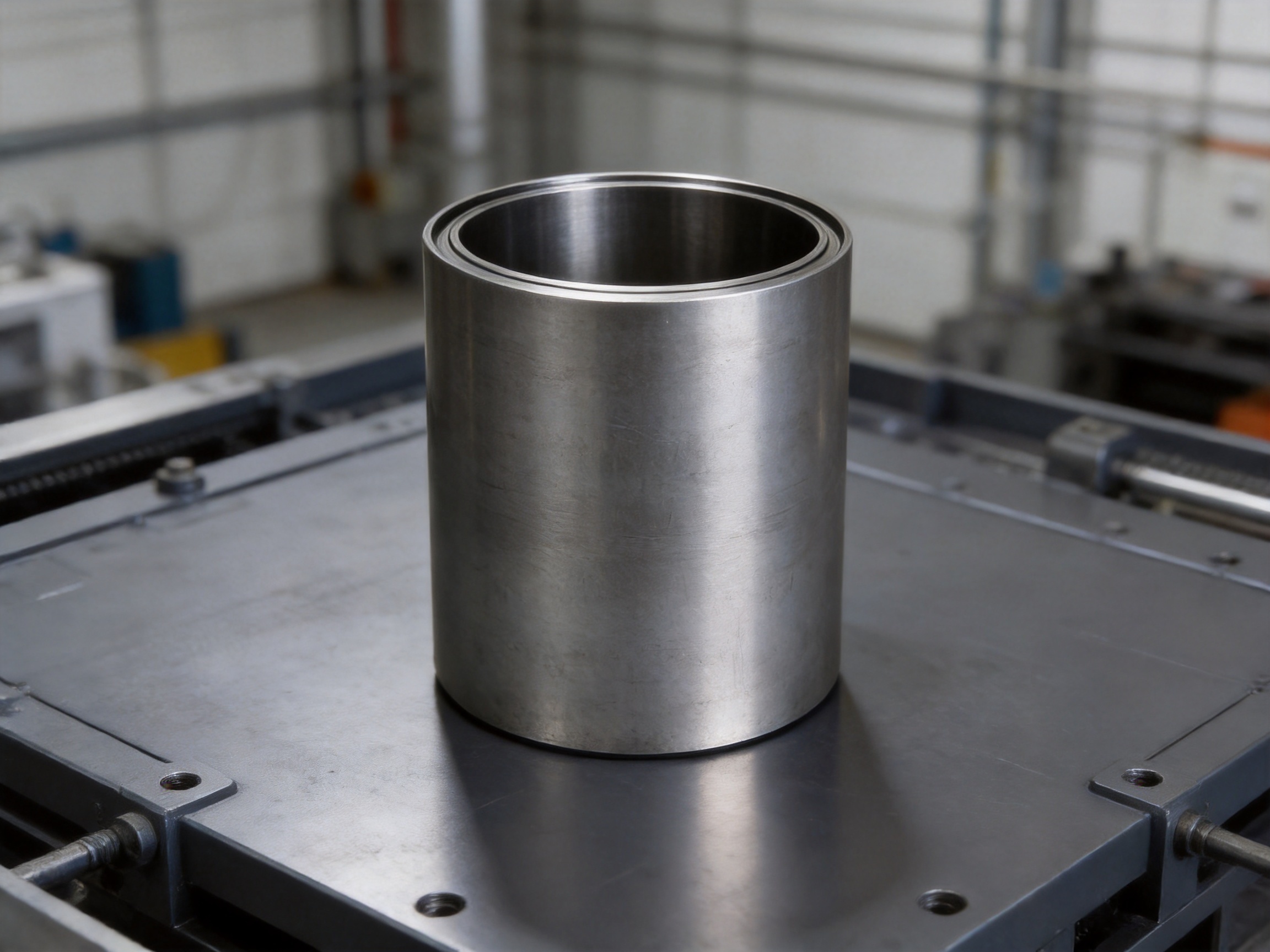
The housing is manufactured from seamless steel tubing rather than relying on a conventional welded cylindrical shell. In a seamless tube, the body is formed without a longitudinal weld joining two edges. This produces a continuous steel structure around the circumference and avoids the need to manage a weld seam as a potential area of differing microstructure, residual stress, or geometric variation.
One of the most important benefits of seamless construction is structural continuity. A continuous tube distributes circumferential loads more uniformly than a design containing a longitudinal joint. This is valuable when the housing is exposed to torsion, vibration, clamping forces, and repeated thermal or mechanical cycles.
Seamless construction can also reduce the risks associated with welding operations. Welding quality depends on joint preparation, heat input, shielding, penetration, cooling behavior, and post-weld treatment. An inconsistent weld can create local changes in strength or geometry. By starting with seamless tubing, the housing avoids a longitudinal weld in its primary cylindrical body.
The absence of a longitudinal seam may also simplify certain machining and inspection considerations. A continuous tube can provide a more uniform starting surface for turning or boring operations. It can reduce the need to orient a seam away from a critical feature and can make the housing more predictable during processing.
Seamless construction does not replace the need for professional inspection. Material quality, tube forming, straightness, wall consistency, machining, and final dimensions must still be controlled. However, it provides a strong foundation for consistent production and reduces one potential source of structural variation compared with welded tube alternatives.
Structural Rigidity
Structural rigidity describes the ability of a component to resist deformation under applied loads. In a motor housing, rigidity contributes to the stability of the stator and the protection of the rotor clearance. A rigid housing is less likely to flex when the motor is mounted, when torque is transmitted, or when external vibration reaches the assembly.
The combination of a 7.9-millimeter wall and a seamless body gives the housing a strong resistance to radial and torsional deformation. This is particularly beneficial for heavy-duty equipment in which the motor is expected to operate for long periods with limited interruption.
Torsional Strength
Torsional loads occur when forces attempt to twist the housing around its axis. These loads may result from motor torque, mounting reactions, connected machinery, or sudden changes in operating conditions. A substantial cylindrical wall provides an effective load path around the housing circumference.
The seamless design supports this load path by avoiding a longitudinal joint that could behave differently from the surrounding steel. This makes the housing a suitable choice for designs where torsional stability is a priority.
Fatigue Resistance
Industrial motors may experience millions of operating cycles during their service life. Each start, stop, speed change, load variation, and vibration event can contribute to cyclic stress. A housing with a strong, continuous structure is better positioned to withstand these repeated loads than a poorly supported or inconsistently welded shell.
Actual fatigue performance depends on the complete motor design, including mounting geometry, machining quality, stress concentrations, operating temperature, and load spectrum. Nevertheless, the seamless heavy-wall configuration provides a valuable foundation for long-term mechanical reliability.
Material Selection and Engineering Value
The stated material specification for this housing is 20#. In Chinese steel designation systems, 20# is generally associated with a low-carbon structural and engineering steel used in components requiring a balance of formability, machinability, weldability, and moderate strength. The exact material condition and applicable standard should be confirmed during technical review and purchasing because material requirements can vary according to the customer’s industry and application.
For a motor housing, the material must support more than basic structural strength. It should be suitable for the manufacturing processes used to create the final component. The steel must be compatible with cutting, turning, boring, drilling, forming, surface preparation, and any additional welding or assembly operations included in the customer’s design.
Low-carbon steel grades are often attractive for motor housings because they can provide a practical balance between production efficiency and mechanical performance. They can be machined effectively, support reliable joining where required, and accept various surface treatment options. When correctly processed and protected, they can serve in a wide variety of indoor and industrial environments.
The steel tube’s initial quality is important. Variations in wall thickness, roundness, straightness, surface condition, or chemical composition can affect downstream processing. Jiangsu Yufeng Electric’s integrated production model allows the company to coordinate steel processing with later manufacturing stages, helping reduce the risk that an early material issue will pass unnoticed into final assembly.
Dimensional Accuracy and Motor Assembly Performance
The inner diameter of a motor housing is not merely a nominal size. It is a functional interface that influences component fit, concentricity, air-gap control, and assembly repeatability. For a motor manufacturer, stable internal dimensions can help reduce adjustment work and improve consistency between production batches.
A 127-millimeter inner diameter provides a defined reference for the motor’s internal architecture. Depending on the specific design, the housing may receive a stator core, a stator assembly, a liner, or other internal components. The actual fit may be achieved through pressing, shrink fitting, adhesive bonding, mechanical retention, or another engineered method. The appropriate fit should always be determined by the customer’s motor design and operating requirements.
The housing height of 189 millimeters is likewise important during assembly planning. It establishes the available axial space and may influence the position of internal components, end covers, bearings, winding overhangs, and sealing arrangements. Consistent height helps control the final stack-up of the motor and supports repeatable assembly processes.
Heavy-wall construction can improve dimensional stability during machining. When a part has sufficient material support, it is less likely to deform under fixture pressure or cutting forces. This is especially relevant when a customer requires additional machining after receiving the tube housing. A stable workpiece can improve the likelihood of obtaining consistent bores, end faces, grooves, holes, and mounting surfaces.
Dimensional control should include more than the inner diameter and height. Depending on the customer’s drawing, inspection may also address outer diameter, wall uniformity, roundness, straightness, perpendicularity, concentricity, end-face flatness, surface roughness, hole positions, and other critical-to-function characteristics. Jiangsu Yufeng Electric can coordinate these requirements through its machining and inspection capabilities.
Manufacturing Process and Production Capabilities
Jiangsu Yufeng Electric Co., Ltd. is a professional manufacturer specializing in the research, development, and production of motor housings. Its manufacturing system integrates stamping, welding assembly, machining, and surface treatment. This broad process coverage allows the company to support projects ranging from individual housing components to more complete motor-related assemblies.
The company’s process capabilities are supported by stamping lines, automated welding equipment, machining facilities, and inspection instruments. These resources are important because motor housing production often requires coordination between material preparation, forming, joining, precision machining, finishing, and quality verification.
Material Preparation
Production begins with the selection and preparation of suitable steel material. For the Inner Diameter 127 Heavy-Wall Motor Housing, seamless steel tubing serves as the primary body material. Material preparation may include cutting to length, cleaning, end preparation, and preliminary dimensional checks.
Accurate cutting is important because the initial tube length affects the final height and the amount of material available for machining. Proper preparation also helps ensure that the part enters subsequent operations in a consistent condition. Material identification and production traceability can further support quality management throughout the manufacturing cycle.
Forming and Stamping Support
Jiangsu Yufeng Electric operates stamping lines for motor housing-related production. Stamping may be used for associated covers, brackets, mounting elements, end structures, reinforcing components, or other sheet-metal parts. In a complete motor housing project, these stamped elements may need to match the primary tube body in dimensional accuracy and assembly compatibility.
Well-controlled stamping processes can provide repeatable shapes at production volume. They can also support efficient manufacturing of components that would be less economical to produce through extensive machining. When stamped parts are combined with a precision tube housing, careful control of interfaces is necessary to ensure that the complete assembly remains aligned and structurally sound.
Automated Welding Equipment
Although the primary body of this product is a seamless steel tube, welding may be required for related assemblies or auxiliary features. Jiangsu Yufeng Electric’s automated welding equipment supports controlled and repeatable joining operations. Automation can help stabilize torch movement, welding speed, positioning, and production consistency.
Automated welding is especially valuable when a project includes repeated assemblies with defined geometry. Consistent welding can reduce variation in joint placement and appearance while supporting production efficiency. Welding quality remains dependent on proper process parameters, fixture design, material preparation, and inspection.
Machining Operations
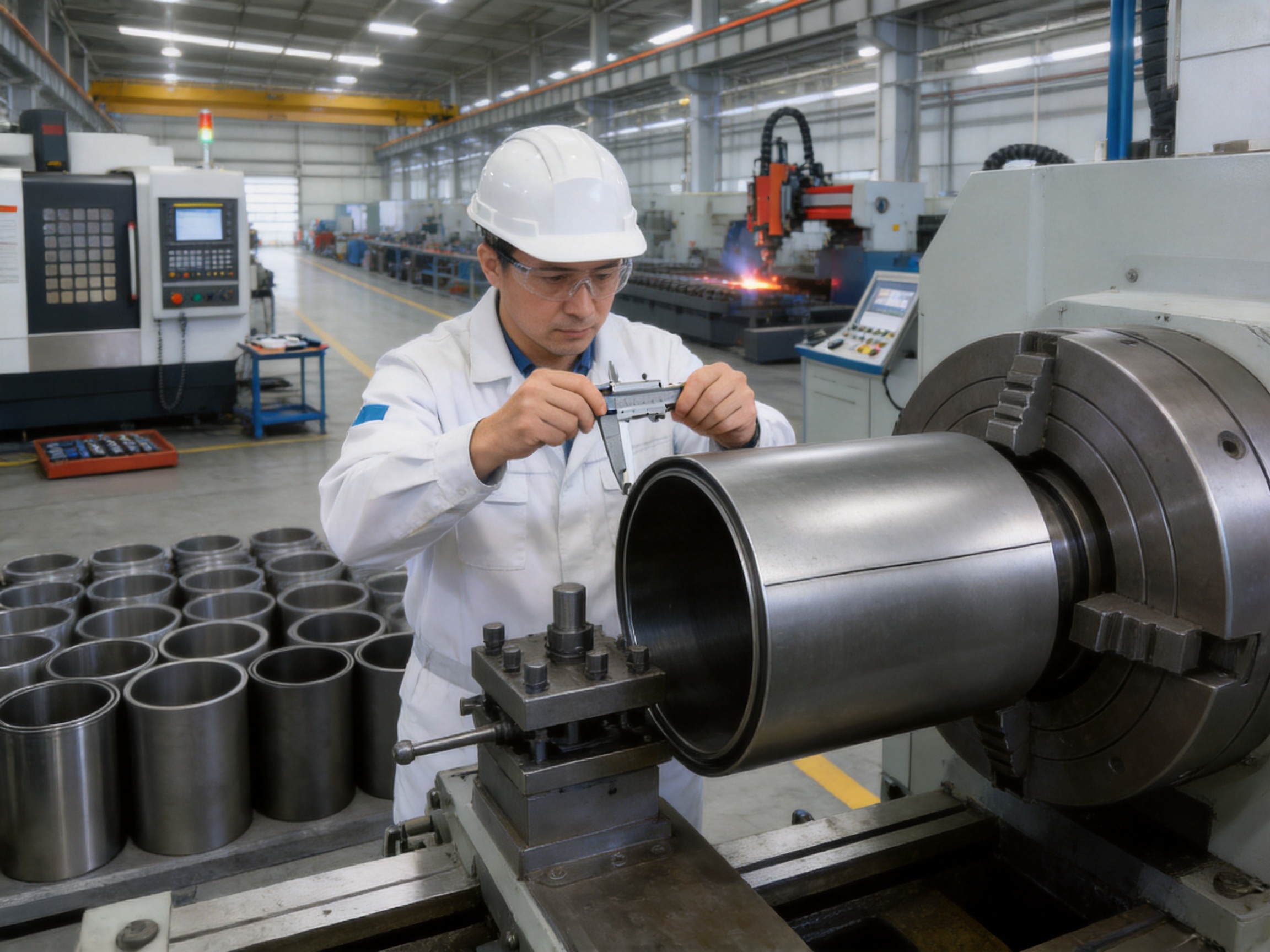
Machining is central to the production of precision motor housings. Tube bodies may require turning, boring, facing, drilling, grooving, chamfering, or other operations according to the customer’s drawing. Machining establishes the final dimensions and interfaces needed for motor assembly.
For the Inner Diameter 127 Heavy-Wall Motor Housing, machining can be used to refine the internal diameter, prepare end faces, establish reference surfaces, and produce additional features required by the motor design. The heavy wall provides a stable base for machining and can help reduce deformation during clamping.
Machining accuracy must be considered together with process sequence. For example, roughing operations may remove excess material while leaving an allowance for finishing. Final boring or turning can then establish the critical dimensions after the workpiece has achieved a stable condition. Proper fixture selection and tool management are also important for maintaining concentricity and surface quality.
Surface Treatment
Surface treatment helps protect steel components, improve appearance, support corrosion resistance, and prepare surfaces for assembly or further coating. The appropriate treatment depends on the operating environment, customer requirements, storage conditions, and compatibility with other motor components.
Possible treatment approaches may include cleaning, degreasing, surface preparation, coating, painting, or other customer-specified processes. The exact treatment should be selected through technical consultation. For example, a housing used in a dry indoor application may have different requirements from one exposed to humidity, industrial contaminants, outdoor conditions, or repeated temperature changes.
Inspection and Quality Verification
Inspection instruments are an important part of Jiangsu Yufeng Electric’s production system. Quality verification may include dimensional inspection, visual examination, surface checks, material confirmation, and process-specific tests according to the product drawing and customer quality plan.
For a heavy-wall motor housing, dimensional inspection may focus on the inner diameter, height, wall thickness, outer diameter, roundness, straightness, and end-face condition. Where additional machining or assembly features are present, their location and relationship to the central axis should also be checked.
Inspection results can be used to support process improvement and production consistency. When quality data is reviewed over time, manufacturers can identify trends, adjust machining parameters, improve fixtures, and reduce the likelihood of repeated deviations.
Advantages Compared with Conventional Alternatives
The Inner Diameter 127 Heavy-Wall Motor Housing offers several practical advantages compared with conventional thin-wall, welded, or less integrated alternatives. These advantages relate to structural design, manufacturing stability, service reliability, and supply-chain coordination.
Compared with Thin-Wall Housings
A thin-wall housing may reduce material consumption and component weight, but it may also provide less resistance to deformation. If the application involves high torque, vibration, heavy mounting loads, or repeated impact, a lightweight shell may require additional reinforcement or may have a narrower operating margin.
The 7.9-millimeter wall thickness gives this housing a more substantial load-bearing structure. It can reduce the risk of local denting, flexing, or distortion during handling, machining, and assembly. The added material may be particularly valuable when the housing is expected to support heavy internal components or operate as part of a rigid industrial motor frame.
Compared with Welded Tube Housings
A welded tube housing depends on the quality and consistency of its longitudinal seam. While welded tube can be effective when properly manufactured, the weld area may require additional control because it can introduce residual stress, local geometry variation, or differences in material behavior.
The seamless tube used for this product eliminates the longitudinal weld from the primary cylindrical body. This creates a continuous structure around the circumference and reduces one potential source of weakness. It can also simplify the orientation and machining of the housing because there is no primary seam that must be positioned relative to critical features.
Compared with Multi-Stage Outsourced Production
When separate suppliers handle tube preparation, machining, welding, and surface treatment, communication gaps can increase the risk of inconsistent dimensions, unclear responsibility, delayed corrective action, and extended lead times. A customer may also need to manage multiple inspection systems and coordinate several production schedules.
Jiangsu Yufeng Electric provides integrated manufacturing capabilities covering stamping, welding assembly, machining, and surface treatment. This supports a more coordinated production flow. A single manufacturing partner can review the design across multiple processes, identify manufacturability concerns earlier, and manage quality requirements through a unified system.
Compared with General-Purpose Standard Parts
General-purpose motor housings may not provide the precise dimensional combination required for a particular motor design. A product with a 127-millimeter inner diameter, 189-millimeter height, and 7.9-millimeter wall thickness offers a defined starting point for customers whose assemblies require these dimensions.
Using a purpose-selected housing can reduce the amount of modification required by the customer. Instead of adapting a generic part through extensive rework, the customer can begin with a component designed around the intended motor architecture. Customization options should be confirmed according to drawings, quantities, tolerances, surface requirements, and application conditions.
Industrial Applications
The housing is suitable for motor applications where structural stability and durable steel construction are important. Its design can support industrial drives, equipment motors, household appliance motors, new energy vehicle-related systems, and special equipment, subject to technical confirmation of the complete motor design.
Industrial Drives
Industrial drives often operate under variable loads, repeated starts and stops, and demanding duty cycles. The motor housing must protect the internal assembly while maintaining alignment under changing torque. A heavy-wall seamless housing can provide a dependable structural base for these conditions.
Applications may include conveyors, pumps, fans, compressors, material-handling systems, machine tools, and production-line equipment. The suitability of the housing depends on the motor’s rated power, speed, mounting arrangement, cooling method, environmental conditions, and required service life.
Household Appliances
Household appliances require motors that combine reliable performance with repeatable production quality. Although many appliance motors are designed for compactness and cost efficiency, certain applications require stronger housings because of operating vibration, assembly loads, or extended service expectations.
The product’s defined internal diameter and height can assist customers in developing consistent motor assemblies. The integrated manufacturing capabilities of the supplier may also support associated stamped or formed components required for appliance motor production.
New Energy Equipment
New energy vehicles and related equipment use electric motors and auxiliary drives in systems that may experience vibration, thermal cycling, and demanding packaging constraints. A structurally stable motor housing can help protect internal components and maintain accurate alignment.
Specific automotive or new energy applications normally require additional validation, including material certification, corrosion protection, dimensional capability, fatigue assessment, thermal evaluation, and customer-specific quality documentation. The housing can serve as a strong candidate for development projects when these requirements are reviewed in detail.
Special Equipment
Special equipment often requires customized dimensions, unusual mounting features, enhanced corrosion protection, or particular inspection procedures. A manufacturer with experience in steel processing, machining, assembly, and finishing can help adapt the housing concept to these requirements.
The Inner Diameter 127 Heavy-Wall Motor Housing offers a defined dimensional foundation while leaving room for project-specific engineering review. Customers may discuss additional machining, mounting holes, grooves, end features, surface treatment, packaging, and inspection standards during the quotation and development stages.
Design and Customization Considerations
Before adopting the housing for a production motor, customers should provide complete technical information. Important details include the motor’s internal component dimensions, required fit, operating speed, torque, vibration level, temperature range, mounting arrangement, cooling method, environmental exposure, surface treatment, and expected service life.
The 127-millimeter inner diameter should be reviewed against the actual stator or internal assembly dimensions. Engineers should confirm whether the fit is intended to be sliding, interference, bonded, or otherwise mechanically retained. Thermal expansion should also be considered because the housing and internal components may experience different temperature changes during operation.
The 189-millimeter height should be checked against the complete axial stack. This includes internal electrical components, end covers, bearing structures, seals, retainers, and any required machining allowance. A dimensional stack-up review can help identify interference risks before production tooling or assembly fixtures are finalized.
The 7.9-millimeter wall thickness should be evaluated in relation to the required machining depth and additional features. If drilling, tapping, grooves, counterbores, or mounting interfaces are added, engineers should verify that sufficient material remains around each feature. The heavy wall provides flexibility for machining, but the final design should still avoid unnecessary stress concentrations.
Surface protection must be selected according to the application. Customers should specify whether the housing requires bare steel, oil protection, painting, powder coating, plating, or another treatment. They should also identify any restrictions related to electrical grounding, dimensional build-up, coating thickness, adhesion, or contact with sealing materials.
Quality, Reliability, and Supply Advantages
Jiangsu Yufeng Electric has more than 40 years of experience in motor housing manufacturing. This experience supports practical understanding of material behavior, forming, machining, assembly, finishing, and customer production requirements. The company reports that it has served more than 50 customers and has an annual production capacity of over 5 million units.
Production scale can provide advantages when customers require repeatable quality and stable supply. A manufacturer with established equipment, experienced personnel, and organized process control is better positioned to support both development projects and volume production. Capacity must still be matched to the specific product, schedule, quality plan, and order forecast.
The company’s engineering team has an average of more than 20 years of experience. Experienced engineers can contribute during product development by reviewing drawings, identifying manufacturing risks, recommending process sequences, and helping customers balance performance with production efficiency.
Full-process manufacturing also improves communication. When a customer discusses a design change, the impact on machining, welding assembly, surface treatment, inspection, and packaging can be reviewed within one coordinated organization. This can help reduce delays caused by transferring information between unrelated suppliers.
For overseas customers, supply reliability is also influenced by packaging, documentation, production planning, and responsiveness. Jiangsu Yufeng Electric’s focus on fast response and finished product delivery supports a more organized purchasing experience. Specific export documentation and logistics arrangements should be confirmed for each order.
Recommended Inspection Points
Customers purchasing the Inner Diameter 127 Heavy-Wall Motor Housing may establish an inspection plan based on the product drawing and application risk. The following points are commonly relevant to a precision steel motor housing.
First, the material specification should be verified through supplier documentation and, where required, material testing. Chemical composition, mechanical properties, heat condition, and applicable standards should be agreed upon before production.
Second, the inner diameter should be measured at appropriate locations along the housing length. This helps evaluate diameter consistency, taper, roundness, and local distortion. Measurement equipment should be suitable for the required tolerance and calibrated according to the applicable quality system.
Third, the height should be checked from the relevant end-face references. End-face flatness and perpendicularity may also require inspection because they can influence assembly alignment and the relationship between the housing and end structures.
Fourth, wall thickness should be assessed to confirm that the heavy-wall requirement is met consistently. Depending on the customer’s quality plan, thickness may be measured at multiple circumferential and axial locations.
Fifth, the surface should be examined for scratches, dents, corrosion, cracks, excessive scale, machining marks, or other conditions that could affect assembly or service performance. If the product receives a coating or other treatment, coverage and adhesion may also be checked.
Finally, any customer-specific features should be inspected according to the approved drawing. These may include holes, grooves, keyways, threaded features, mounting surfaces, welds on associated parts, and the positional relationship between machined features and the housing axis.
Installation and Handling Guidance
Proper handling helps preserve the dimensional quality of the housing before assembly. Parts should be protected from impact, contamination, moisture, and uncontrolled stacking. Heavy-wall steel is robust, but machined surfaces and end faces can still be damaged if components are dragged across hard surfaces or struck during handling.
Before assembly, the customer should clean the internal and external surfaces according to the motor’s production requirements. Any protective oil, debris, scale, or machining residue should be removed if it could affect fitting, bonding, electrical insulation, or sealing.
Assembly fixtures should support the housing without applying excessive localized pressure. Although the heavy-wall construction provides strong resistance to deformation, inappropriate clamping can still damage machined surfaces or alter alignment. Fixtures should reference the intended datum surfaces identified in the engineering drawing.
If the housing is used with a press-fit internal component, assembly force should be applied evenly and along the correct axis. Improper pressing can create local distortion or damage the internal component. The exact interference and assembly method should be confirmed by engineering calculation and prototype testing.
After assembly, the motor should be evaluated for concentricity, rotor clearance, vibration, noise, and operating temperature. These tests help verify that the housing, internal components, end structures, bearings, and mounting system are functioning together as intended.
Why Choose an Experienced Integrated Manufacturer
A motor housing is rarely an isolated purchase. It is part of a larger system involving material selection, forming, machining, surface treatment, inspection, assembly, packaging, and delivery. Choosing a manufacturer capable of supporting several of these stages can simplify project management and improve technical coordination.
Jiangsu Yufeng Electric combines research and development with production capabilities. Its operations include stamping, welding assembly, machining, and surface treatment, supported by production equipment and inspection instruments. This integrated structure helps the company understand how design decisions affect manufacturability and final performance.
The company serves customers in household appliances, industrial drives, new energy vehicles, and special equipment. Exposure to different application requirements can strengthen manufacturing flexibility. It also gives the engineering team experience in balancing dimensional accuracy, structural strength, production efficiency, and customer-specific requirements.
Forty years of motor housing manufacturing experience provides a substantial background for handling recurring production challenges. These may include tube variation, machining distortion, fixture design, assembly fit, surface protection, and batch-to-batch consistency. Experience does not remove the need for product-specific validation, but it can improve the speed and quality of technical decision-making.
The company’s reported annual capacity of more than 5 million units indicates an established production base suitable for volume-oriented programs. Customers should still confirm available capacity, production scheduling, minimum order quantities, quality documentation, and delivery expectations during the commercial process.
Procurement and Development Process
A successful housing project generally begins with an exchange of technical information. The customer should provide a drawing or three-dimensional model, material requirements, critical tolerances, surface treatment needs, annual demand, quality standards, and intended application. If the housing is being developed for a new motor, preliminary internal component information is also useful.
The manufacturer can then review the design for material suitability, machining feasibility, process sequence, tooling requirements, inspection methods, and estimated production cost. Any unclear dimensions or conflicting requirements should be resolved before tooling or mass production begins.
Prototype or trial production may be used to confirm fit, machining performance, assembly method, surface treatment, and functional test results. Prototype evaluation is especially important when the housing will be used in a high-speed, high-torque, safety-related, or thermally demanding motor.
After approval, production control should cover incoming material, process parameters, in-process dimensions, final inspection, packaging, and shipment documentation. The inspection plan should identify critical dimensions and define the response to nonconforming products.
For long-term supply, customers may benefit from periodic production reviews, sample retention, process capability tracking, and change-control procedures. These practices help ensure that the housing remains consistent throughout the product life cycle.
Environmental and Service Considerations
The steel housing should be evaluated in relation to the environment in which the motor will operate. Humidity, salt exposure, chemicals, dust, temperature changes, and outdoor storage can influence corrosion risk and surface treatment requirements.
A suitable surface protection system can help preserve the housing during storage, transport, assembly, and service. Customers should communicate the expected environmental category so that the surface treatment and packaging can be selected appropriately.
Thermal behavior should also be considered. The housing may assist with heat transfer from the motor’s internal components to the surrounding environment, depending on the motor design and cooling system. The wall thickness, surface condition, mounting arrangement, and airflow all influence thermal performance.
In high-temperature applications, engineers should confirm the compatibility of the housing material, coating, seals, adhesives, insulation system, and internal components. Thermal expansion can affect fits and clearances, especially where the internal assembly is closely matched to the 127-millimeter inner diameter.
Conclusion
The Inner Diameter 127 Heavy-Wall Motor Housing is a robust steel tube solution for motor applications requiring dimensional stability, structural strength, and reliable resistance to torque and vibration. Its 127-millimeter inner diameter, 189-millimeter height, and 7.9-millimeter wall thickness provide a defined engineering foundation for heavy-duty motor assemblies.
Its seamless, one-piece construction is a central advantage. By eliminating a longitudinal weld from the primary cylindrical body, the housing provides structural continuity and reduces the potential variation associated with welded tube seams. The heavy-wall design further improves rigidity, torsional resistance, machining stability, and durability under repeated operating loads.
The product is supported by Jiangsu Yufeng Electric Co., Ltd.’s integrated manufacturing capabilities. Stamping, automated welding assembly, machining, surface treatment, and inspection are coordinated within a professional motor housing production system. The company’s 40 years of manufacturing experience, experienced engineering team, reported customer base, and annual capacity of more than 5 million units provide a foundation for both customized development and volume production.
For customers seeking a reliable steel motor housing, the key value of this product lies in the combination of material strength, seamless construction, heavy-wall geometry, dimensional focus, and integrated manufacturing support. Final suitability should be confirmed through review of the motor design, operating conditions, required tolerances, surface protection, inspection plan, and validation testing.
Questions and Answers
What is the main function of this motor housing?
The housing protects and supports the internal motor assembly while helping maintain alignment, structural stability, and dimensional consistency. It can serve as the primary cylindrical body of a motor and may provide reference surfaces for internal and external components.
What is the inner diameter of the housing?
The specified inner diameter is 127 millimeters. This dimension defines the principal internal space for the motor assembly and should be matched with the customer’s stator, liner, or other internal components.
What is the wall thickness?
The wall thickness is 7.9 millimeters. This heavy-wall configuration provides enhanced resistance to deformation, vibration, torsional loading, and repeated mechanical stress compared with many thinner-wall designs.
What is the housing height?
The specified height is 189 millimeters. Customers should verify this dimension against the complete axial stack of the motor, including internal components, end structures, bearings, seals, and required assembly clearances.
What material is used?
The listed material specification is 20#. The exact applicable material standard, mechanical properties, supply condition, and certification requirements should be confirmed before production.
Is the housing welded?
The primary cylindrical body is manufactured from seamless steel tubing and has a one-piece construction. Additional welding may be used for associated components or assemblies when required by the customer’s design.
Why is seamless construction advantageous?
Seamless construction provides a continuous cylindrical body without a longitudinal weld seam. It can support more uniform load distribution, reduce seam-related structural variation, and provide a stable foundation for machining and motor assembly.
Can the housing be customized?
Customization can be discussed according to the customer’s drawings, application requirements, quantities, tolerances, surface treatment, machining features, inspection standards, and packaging needs. Technical review is recommended before confirming production details.
What manufacturing processes does the supplier provide?
Jiangsu Yufeng Electric provides stamping, welding assembly, machining, surface treatment, and inspection capabilities. These processes support integrated production from steel processing through finished motor housing delivery.
Which industries can use this housing?
Potential industries include industrial drives, household appliances, new energy vehicles, special equipment, and other motor-related applications. Suitability depends on the motor’s load, speed, temperature, vibration, mounting, environmental, and service-life requirements.
What should be confirmed before ordering?
Customers should confirm the drawing, critical dimensions, tolerances, material standard, surface treatment, internal component fit, operating conditions, inspection requirements, packaging, quantity, and delivery schedule. Prototype testing may be appropriate for new or demanding applications.
Does the heavy wall improve motor performance?
The heavy wall can improve the structural stability of the motor assembly by reducing housing deformation and supporting alignment under load. Actual motor performance also depends on the rotor, stator, bearings, winding, cooling system, mounting design, and complete assembly quality.
Can this housing be used outdoors?
Outdoor use may be possible when the material protection, coating, sealing, packaging, and complete motor design are appropriate for the environment. Humidity, salt, chemicals, temperature changes, and other exposure conditions should be reviewed before selection.
How should the product be inspected?
Inspection may include material verification, inner diameter, height, wall thickness, outer diameter, roundness, straightness, end-face condition, surface quality, machining features, and any customer-specific requirements. The final inspection plan should be agreed upon during technical review.
References
1. Product specification for Inner Diameter 127 Heavy-Wall Motor Housing, product code ID127023.
2. Supplier-provided technical information for seamless steel tube motor housing construction.
3. Supplier-provided company profile describing stamping, welding assembly, machining, surface treatment, and inspection capabilities.
4. Supplier-provided manufacturing background describing more than 40 years of motor housing production experience.
5. Supplier-provided material designation information identifying 20# steel as the listed material specification.
6. General engineering principles for cylindrical motor housing stiffness, torsional resistance, dimensional control, and fatigue performance.

 Previous