

 English
 Español
Content
- 1 Product Overview
- 2 Key Technical Specifications
- 3 Importance of Accurate Motor Housing Dimensions
- 4 Structural Advantages of the Steel Housing
- 5 Four-Bracket Mounting Design
- 6 Six-Spot Welding for Enhanced Joint Strength
- 7 Suitability for Farm and Agricultural Motors
- 8 Advantages Compared with Generic Motor Housings
- 9 Manufacturing Process: Steel Preparation and Forming
- 10 Manufacturing Process: Bracket Preparation and Welding
- 11 Machining, Finishing, and Inspection
- 12 Integrated Manufacturing Strengths
- 13 Design Support from Development to Mass Production
- 14 Quality and Reliability Considerations
- 15 Installation and Application Guidance
- 16 Applications Beyond Farm Motors
- 17 Customization and Project Cooperation
- 18 Supply and Production Efficiency
- 19 Why Manufacturing Integration Matters to Buyers
- 20 Environmental and Operational Responsibility
- 21 Recommended Customer Evaluation Checklist
- 22 Frequently Asked Questions
- 22.1 What is the inner diameter of this motor housing?
- 22.2 What are the outer diameter and height?
- 22.3 How many mounting feet does the housing have?
- 22.4 How are the mounting feet attached?
- 22.5 Why is multi-spot welding useful for farm motors?
- 22.6 Is the housing suitable for corrosive agricultural environments?
- 22.7 Can the housing be customized?
- 22.8 What manufacturing processes are available from the supplier?
- 22.9 Does the company support mass production?
- 22.10 What information should be provided for a quotation?
- 22.11 How should the housing be maintained after installation?
- 22.12 Can this housing be used for applications other than farm motors?
- 23 Conclusion
- 24 References
- 25 Product: Inner Diameter 160 Steel Motor Housing With Four Brackets
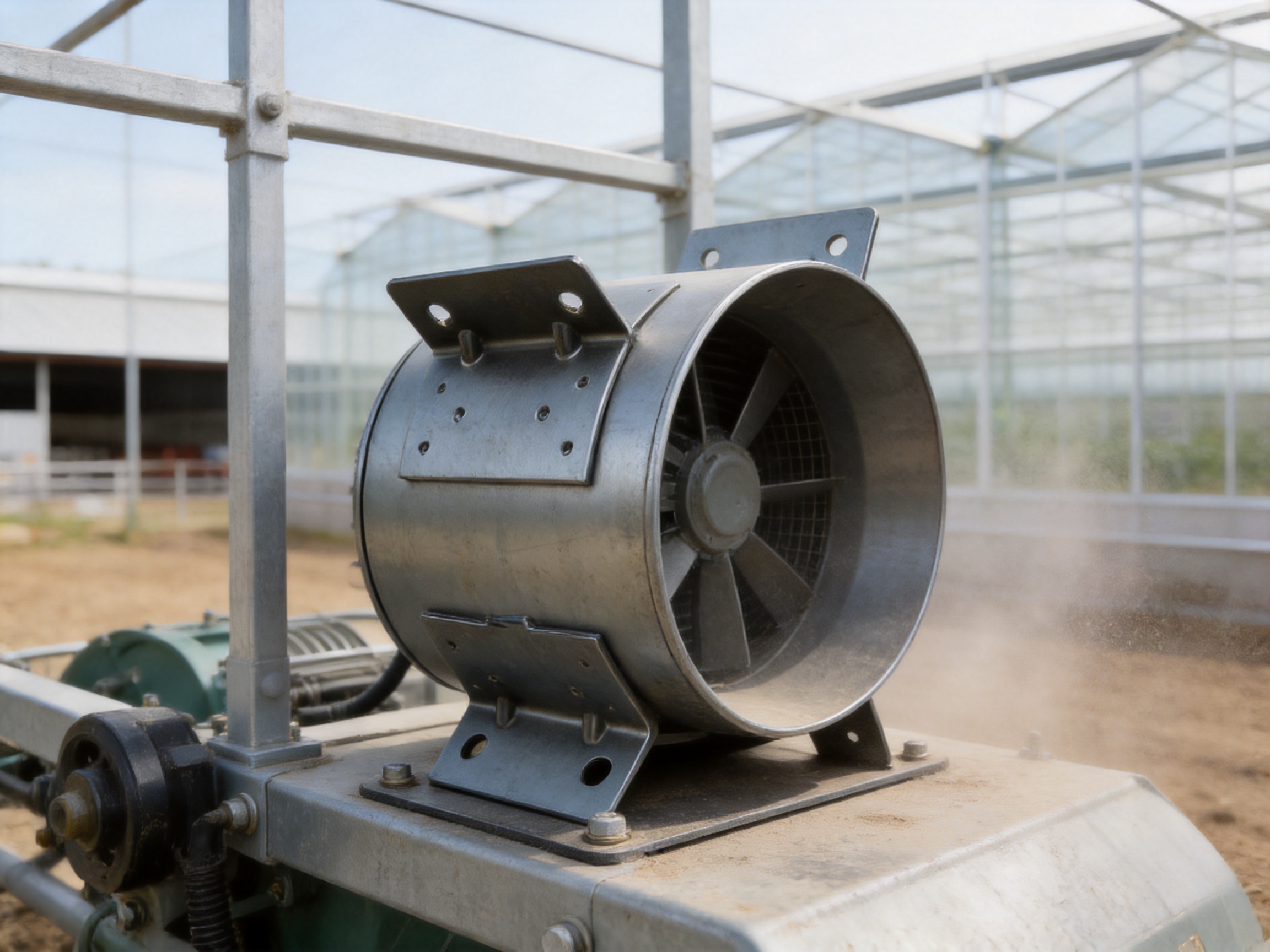
Reliable motor performance begins with a dependable mechanical foundation. The motor housing is not merely an external cover; it is a precision-manufactured structural component that protects internal parts, supports assembly accuracy, manages operating loads, and contributes to the long-term stability of the complete motor. In demanding environments, especially agricultural and farm applications, the housing must withstand vibration, dust, moisture, corrosive gases, temperature changes, and repeated mechanical stress without losing dimensional accuracy or mounting strength.
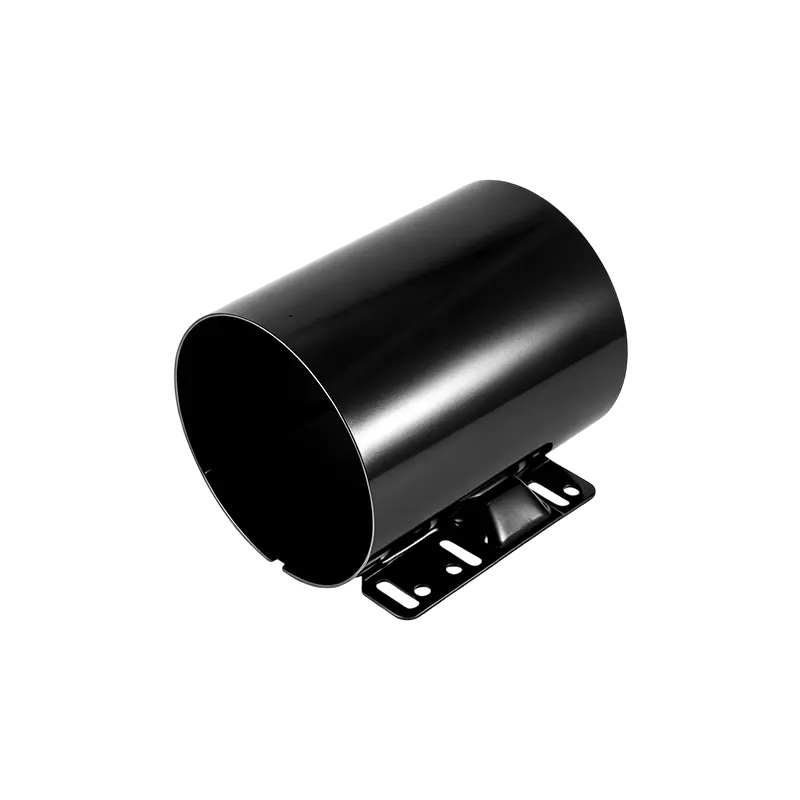
The Inner Diameter 160 Steel Motor Housing with Four Brackets is designed to meet these requirements through a combination of accurate geometry, robust steel construction, reinforced mounting points, and carefully controlled welding. With an inner diameter of 160 millimeters, an outer diameter of 165 millimeters, and a height of 128 millimeters, the housing provides a stable and consistent enclosure for motor components while maintaining a compact and practical form.
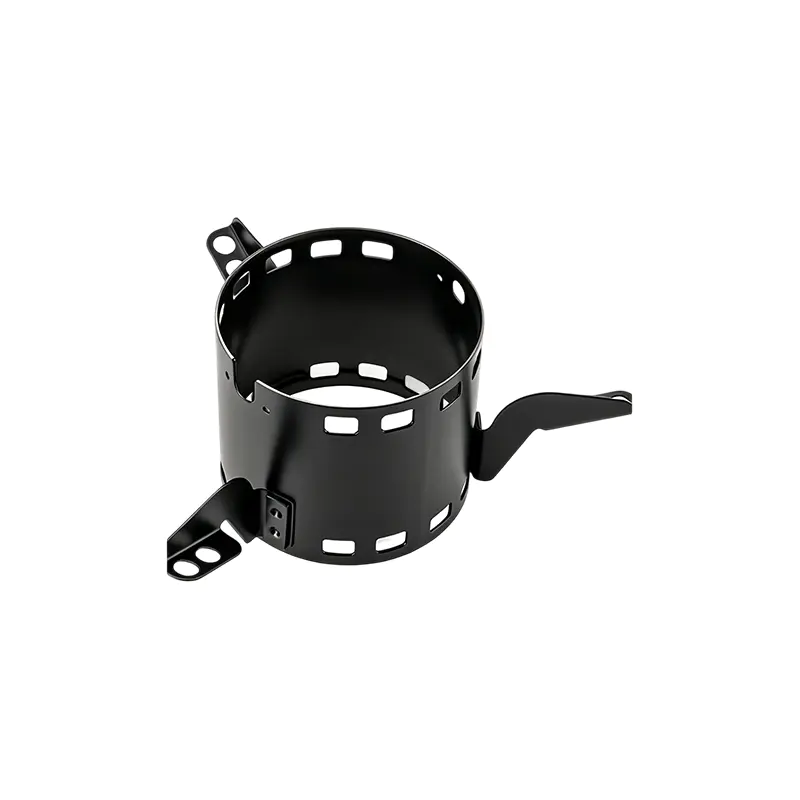
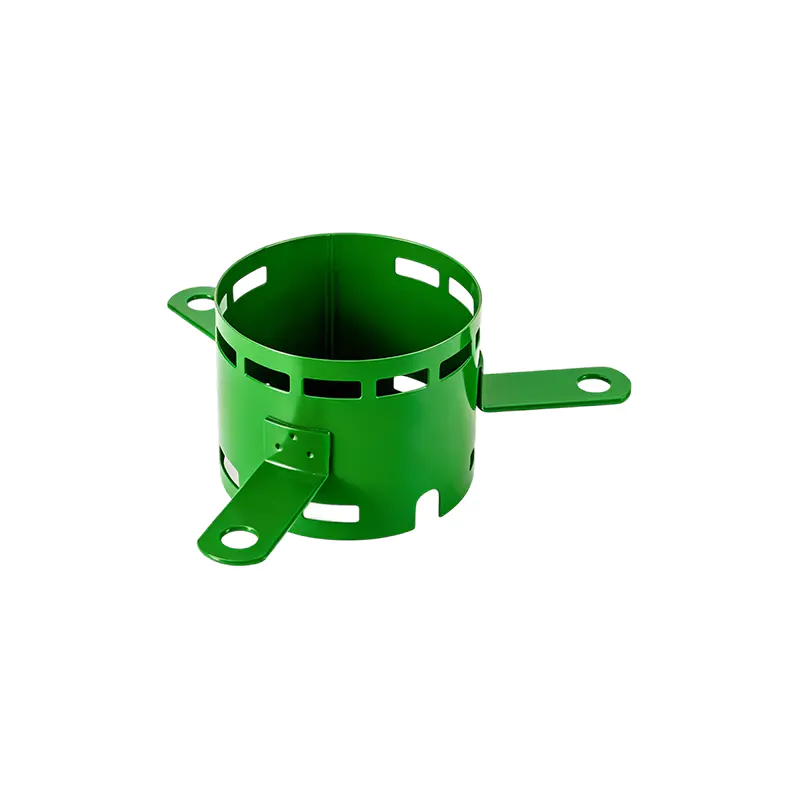
Its four welded mounting feet provide a secure connection between the motor and the equipment frame. Each mounting foot uses a six-spot welding process, creating multiple evenly distributed attachment points rather than relying on a single concentrated weld. This design improves resistance to vibration, impact, and uneven loads, making the housing suitable for motors that operate continuously in challenging farm and industrial conditions.
In addition to its product-specific advantages, the housing benefits from the manufacturing capabilities of Jiangsu Yufeng Electric Co., Ltd. The company integrates stamping, welding assembly, machining, surface treatment, inspection, and production support within its operating system. This in-house approach helps improve process coordination, shorten communication cycles, and maintain consistency from raw material preparation through finished product delivery.
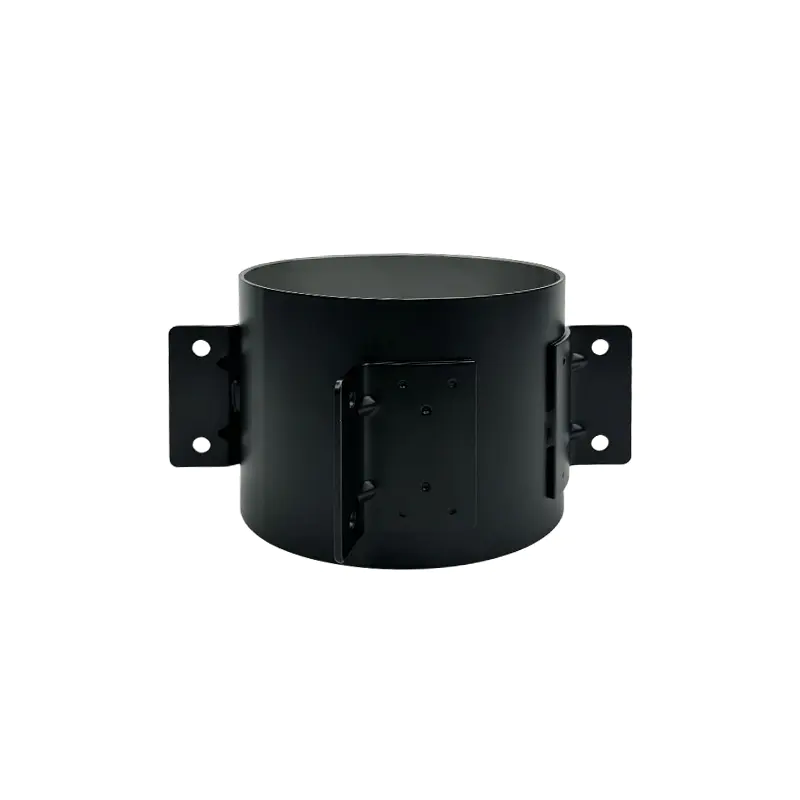
Inner Diameter 160 Steel Motor Housing With Four Brackets
Product Overview
The Inner Diameter 160 Steel Motor Housing with Four Brackets is a steel enclosure engineered for motor applications that require dimensional stability and reliable structural support. Its product identification is ID160012, and its primary category is steel motor housing. The design combines a cylindrical body with four welded mounting feet, allowing the housing to serve both as a protective enclosure and as a load-bearing interface between the motor and the machine structure.
The 160-millimeter inner diameter is a key functional dimension. It establishes the available internal space for the motor stator, rotor-related components, insulation systems, and other internal assemblies, subject to the final motor design and required clearances. Maintaining a consistent internal diameter is essential because even small deviations can affect assembly fit, concentricity, air-gap control, and the alignment of internal parts.
The housing has a nominal outer diameter of 165 millimeters. Based on the stated dimensions, the radial wall thickness is approximately 2.5 millimeters when measured as the difference between the inner and outer diameters divided by two. This compact wall configuration provides a balance between structural strength, material efficiency, and usable internal space. The 128-millimeter height contributes to the axial enclosure length and supports integration into motors with matching dimensional requirements.
Uniform wall thickness is another important feature. A consistent steel wall helps distribute mechanical stress more evenly around the cylindrical body and reduces the risk of localized weak areas. It also supports more predictable forming, welding, machining, and assembly results. For motor manufacturers, dimensional consistency can reduce fitting adjustments and improve repeatability during production.
The four mounting feet are welded directly onto the housing. Their purpose is to transfer the weight and operating forces of the motor into the supporting frame or equipment base. Because the mounting points are integrated into the housing rather than attached through a loose accessory system, the finished assembly can offer a more compact structure and fewer separate components.
Each mounting foot uses six welding spots. This multi-spot arrangement distributes the connection force over several locations. If a mounting foot were connected with only one small weld or a narrow, poorly distributed attachment, the joint could become more sensitive to vibration and impact. Six evenly arranged spots provide a broader connection pattern and help improve the resistance of the foot against movement, peeling, and loosening.
Key Technical Specifications
| Item | Specification | Functional Significance |
|---|---|---|
| Product type | Steel motor housing | Provides a protective and structural enclosure for motor components |
| Product identification | ID160012 | Supports product selection, communication, and production traceability |
| Inner diameter | 160 mm | Defines the internal assembly space and required motor fit |
| Outer diameter | 165 mm | Defines the external cylindrical envelope |
| Height | 128 mm | Determines the axial size of the housing body |
| Mounting configuration | Four welded brackets or feet | Creates a stable connection to the motor base or equipment frame |
| Welding method | Six-spot welding per mounting foot | Distributes attachment forces and improves vibration resistance |
| Primary application | Farm motors and demanding motor equipment | Supports operation in humid, dusty, corrosive, and high-vibration environments |
| Manufacturing scope | Stamping, welding, machining, assembly, and finishing | Enables coordinated control across multiple production stages |
These specifications should be reviewed together rather than individually. The inner diameter determines the internal fit, the outer diameter reflects the overall radial envelope, and the height defines axial compatibility. At the same time, the mounting-foot geometry and weld pattern determine how the motor can be fixed to its operating platform. A suitable housing must satisfy all of these requirements simultaneously.
Importance of Accurate Motor Housing Dimensions
Motor housing accuracy directly affects the relationship between the housing and the internal motor components. A housing that is too large may allow unwanted movement or reduce assembly support. A housing that is too small may create interference, make installation difficult, or impose stress on the internal components. Dimensional control is therefore central to motor performance and production efficiency.
The 160-millimeter inner diameter is especially important for maintaining the intended motor geometry. The cylindrical body should provide a stable reference surface for the internal stator or related assemblies. If the surface is not sufficiently round, straight, or uniform, the internal component may not seat evenly. This can create alignment issues, uneven clearances, or additional assembly operations.
Dimensional precision also contributes to repeatable mass production. When every housing conforms closely to the intended dimensions, automated or semi-automated assembly equipment can operate with fewer interruptions. Workers spend less time correcting mismatches, and manufacturers can reduce the likelihood of rework caused by inconsistent parts.
Uniformity is equally important for customers who purchase housings for multiple motor models or production batches. Consistent parts simplify tooling design, assembly planning, spare-parts management, and quality documentation. A housing that is stable from one production run to the next helps customers maintain predictable output and reduces the risk of unexpected fitting problems.
For this reason, a motor housing should be evaluated not only by its nominal dimensions but also by the manufacturing system used to achieve them. Stamping tools, forming parameters, welding fixtures, machining procedures, inspection equipment, and operator expertise all influence the final result. Integrated process control is a major advantage when tight dimensional consistency is required.
Structural Advantages of the Steel Housing
Steel remains a practical material for many motor housing applications because it combines strength, manufacturability, and cost efficiency. A properly designed steel housing can withstand mechanical forces while remaining suitable for high-volume forming and welding processes. It can also be adapted to different surface treatments and finishing requirements according to the application environment.
The cylindrical shape of this housing naturally supports the distribution of circumferential loads. Compared with a flat or irregular enclosure, a cylindrical structure can provide a more continuous load path around the motor. This is beneficial when the housing is exposed to vibration or when mounting forces are transferred through the body.
The steel body also provides a firm base for mounting-foot attachment. The welded feet become part of the overall structural assembly rather than acting as independent brackets joined by bolts or secondary hardware. This can reduce the number of loose components and simplify the motor mounting arrangement.
Another advantage is the balance between wall thickness and available internal space. The stated dimensions indicate a relatively compact wall profile, allowing the design to preserve a 160-millimeter internal diameter while limiting the external diameter to 165 millimeters. For equipment designers, this can be useful when the motor must fit within a restricted installation envelope.
Steel housings can also be integrated with additional machining or finishing operations. Depending on the customer’s design requirements, surfaces may be prepared for further assembly, treated for corrosion resistance, or inspected for dimensional and visual conformity. This flexibility helps the housing serve as a practical foundation for different motor configurations.
Four-Bracket Mounting Design
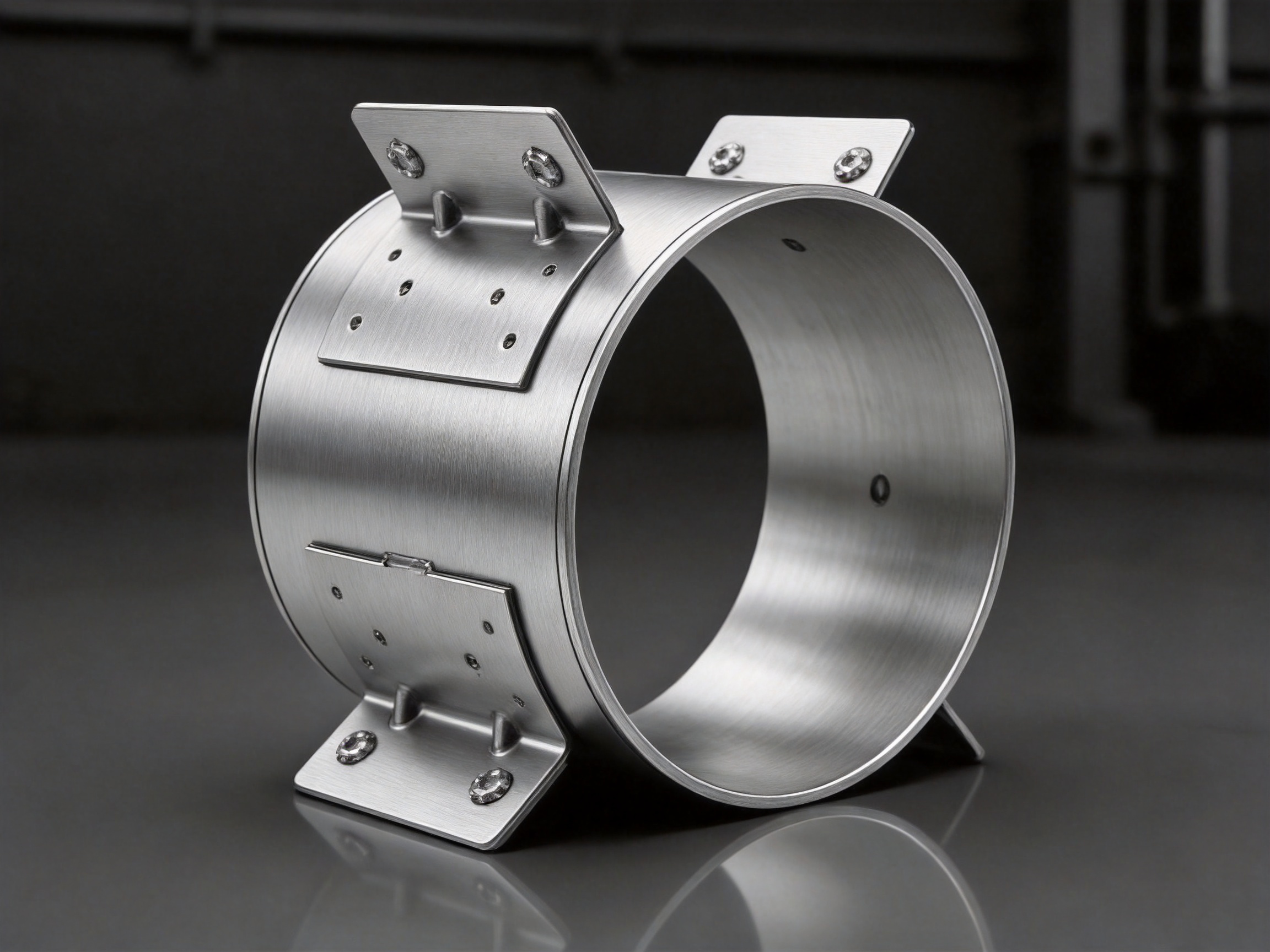
The four-bracket structure is one of the defining features of this motor housing. Four mounting feet create multiple support points around the housing, helping distribute the motor load over the equipment base. A multi-point arrangement can reduce the concentration of force at any single location and improve the stability of the mounted motor.
In agricultural machinery, motors may operate on platforms that are exposed to uneven loading, mechanical movement, and repeated shock. A motor may also start and stop frequently, work under varying loads, or operate in equipment that is not perfectly level. Under these conditions, the mounting connection must remain stable over time.
The four feet provide a practical method of securing the housing to a frame. When the mounting pattern is matched accurately to the customer’s base, installation can be completed with a predictable bolt arrangement. The welded feet also create a consistent interface that can be incorporated into equipment drawings and assembly procedures.
The position and alignment of the feet are important. If a bracket is out of position, the motor may sit unevenly, and installation may require additional adjustment. For this reason, mounting-foot welding should be performed with suitable fixtures or controlled positioning methods. Jiangsu Yufeng’s integrated production capabilities support the coordination of body forming, bracket placement, welding, and inspection.
A four-point mounting arrangement may also support improved serviceability. When the housing remains firmly secured, technicians can inspect adjacent components, replace connected parts, or remove the motor with less concern about bracket deformation. Stable mounting reduces the possibility that repeated maintenance activity will damage the housing connection.
Six-Spot Welding for Enhanced Joint Strength
Each mounting foot on the product is attached through a six-spot welding process. This is a significant design and manufacturing detail because the bracket-to-housing connection is one of the most highly stressed areas of a mounted motor. The welds must resist forces generated by motor rotation, equipment movement, starting torque, vibration, and accidental impact.
Multiple welding spots provide a distributed connection. Instead of forcing the entire load through one attachment area, the six spots share the mechanical demand across a larger pattern. This can reduce local stress concentration and improve resistance to progressive loosening or deformation.
Uniformly distributed welds are also valuable for maintaining balanced structural behavior. If the welds are irregularly arranged or unevenly formed, the connection may develop areas of higher stress. A controlled six-spot pattern gives the bracket a more consistent relationship with the cylindrical body.
Welding quality depends on more than the number of spots. Electrode condition, current, pressure, timing, material cleanliness, fixture positioning, and surface contact all affect the final joint. A professional production system must control these variables and verify that the welding process is stable over time.
Welding fixtures are particularly important for this type of product. The fixture must hold each mounting foot in the correct position while maintaining consistent contact with the housing. It should also help prevent distortion during the welding cycle. Accurate positioning makes it easier to maintain the required mounting dimensions from one housing to the next.
After welding, inspection may include visual examination, dimensional verification, weld appearance checks, and additional testing where required by the customer or application. The appropriate inspection method depends on the housing design, material, production volume, and performance requirements.
The six-spot welding arrangement is therefore both a product advantage and a process-control requirement. Its value is realized when the welding procedure is repeatable and the finished joints meet the intended strength and positioning standards.
Suitability for Farm and Agricultural Motors
Farm environments are often more demanding than indoor industrial environments. Motors may be exposed to high humidity, dust, fertilizers, corrosive gases, animal waste, ammonia, temperature changes, and irregular operating schedules. Equipment may be installed in barns, poultry houses, greenhouses, grain-handling systems, ventilation units, feeding systems, pumps, or other agricultural machinery.
In such conditions, the motor housing must provide more than basic physical coverage. It must support the motor securely while helping protect internal parts from external mechanical and environmental influences. The housing must also remain stable when subjected to repeated vibration and changing loads.
Ammonia and other corrosive substances can create long-term challenges for exposed metal components. The appropriate material selection, surface condition, and finishing system should be considered according to the actual operating environment. While the steel body provides the required structural base, customers may specify additional surface treatment or corrosion-protection requirements for particular installations.
Dust can accumulate around equipment and increase maintenance demands. A robust housing helps maintain the structural integrity of the motor assembly, while the complete motor design, sealing system, ventilation arrangement, and maintenance program determine the overall level of environmental protection. The housing should therefore be considered as an important part of a broader motor protection strategy.
Temperature fluctuations can cause repeated expansion and contraction in equipment components. These cycles may place additional stress on mounting connections, especially when the motor is attached to a frame made from a different material. A securely welded four-bracket structure helps maintain the mechanical relationship between the motor and its supporting base.
The housing is also suitable for applications where maintenance access is limited. When mounting feet remain secure, operators are less likely to face unexpected movement or re-alignment problems during routine inspection. This can contribute to more predictable maintenance scheduling and reduced downtime.
Advantages Compared with Generic Motor Housings
Generic motor housings may offer acceptable performance in light-duty applications, but they do not always provide the combination of dimensional control, mounting strength, and application-specific design required for agricultural motors. The Inner Diameter 160 housing is differentiated by its defined dimensions, four integrated brackets, and six-spot welding method for each foot.
One advantage is the clear dimensional specification. A stated inner diameter, outer diameter, and height allow the customer to evaluate compatibility before ordering. This is more efficient than selecting a general enclosure and attempting to adapt it during assembly.
A second advantage is the integrated mounting configuration. Some competing designs may require separate brackets, additional fastening hardware, or manual attachment during motor assembly. The welded-foot design provides a ready-to-install structural interface and reduces the number of components involved in the mounting system.
A third advantage is the distributed welding pattern. A single attachment point may be sufficient for low-load equipment, but continuous motor operation can produce a much more demanding mechanical environment. Six weld spots per foot help create a broader and more secure connection.
The product also offers a balance between internal capacity and external size. With a 160-millimeter inner diameter and a 165-millimeter outer diameter, it is designed to preserve useful internal space without creating an unnecessarily large external envelope. This can benefit equipment manufacturers working within limited frame dimensions.
Another competitive strength is manufacturing integration. A supplier capable of stamping, welding, machining, assembly, finishing, and inspection can coordinate the complete production route more effectively than a supplier that depends heavily on disconnected subcontractors. Integrated management can improve communication, reduce handoff errors, and make technical changes easier to implement.
Customers may also benefit from better production scalability. The company reports an annual production capacity of more than five million units, indicating experience with repeat manufacturing and volume-oriented production management. Capacity alone does not replace quality control, but it can support stable supply planning when combined with appropriate process supervision.
Manufacturing Process: Steel Preparation and Forming
The production of a steel motor housing begins with material preparation. Steel must be selected according to the required strength, thickness, forming behavior, welding compatibility, and finishing requirements. Material identification and incoming inspection are important because variations in thickness, surface condition, or chemical composition can affect later processing.
Stamping and forming create the basic cylindrical body. Proper tooling helps establish the required diameter, height, roundness, and overall geometry. During this stage, process parameters must be controlled to prevent excessive deformation, wrinkles, cracks, or dimensional instability.
Tooling condition has a direct effect on product repeatability. Worn dies, improper clearances, or inconsistent lubrication can lead to dimensional variation. Regular tool maintenance and process monitoring help preserve the intended shape throughout production runs.
The forming sequence should also account for the final welding and machining stages. A housing that appears acceptable after forming may change slightly during welding because of heat input and residual stress. Experienced production engineering can anticipate these effects and establish suitable process allowances.
For high-volume production, standardized work instructions are essential. Operators need clear guidance on material orientation, forming sequence, inspection points, and handling procedures. Consistent work methods make it easier to identify deviations and maintain uniformity across batches.
Manufacturing Process: Bracket Preparation and Welding
The four mounting feet must be produced with consistent geometry so that they fit correctly against the housing and align with the customer’s installation pattern. Bracket preparation may include cutting, forming, punching, deburring, and dimensional inspection before the feet are delivered to the welding station.
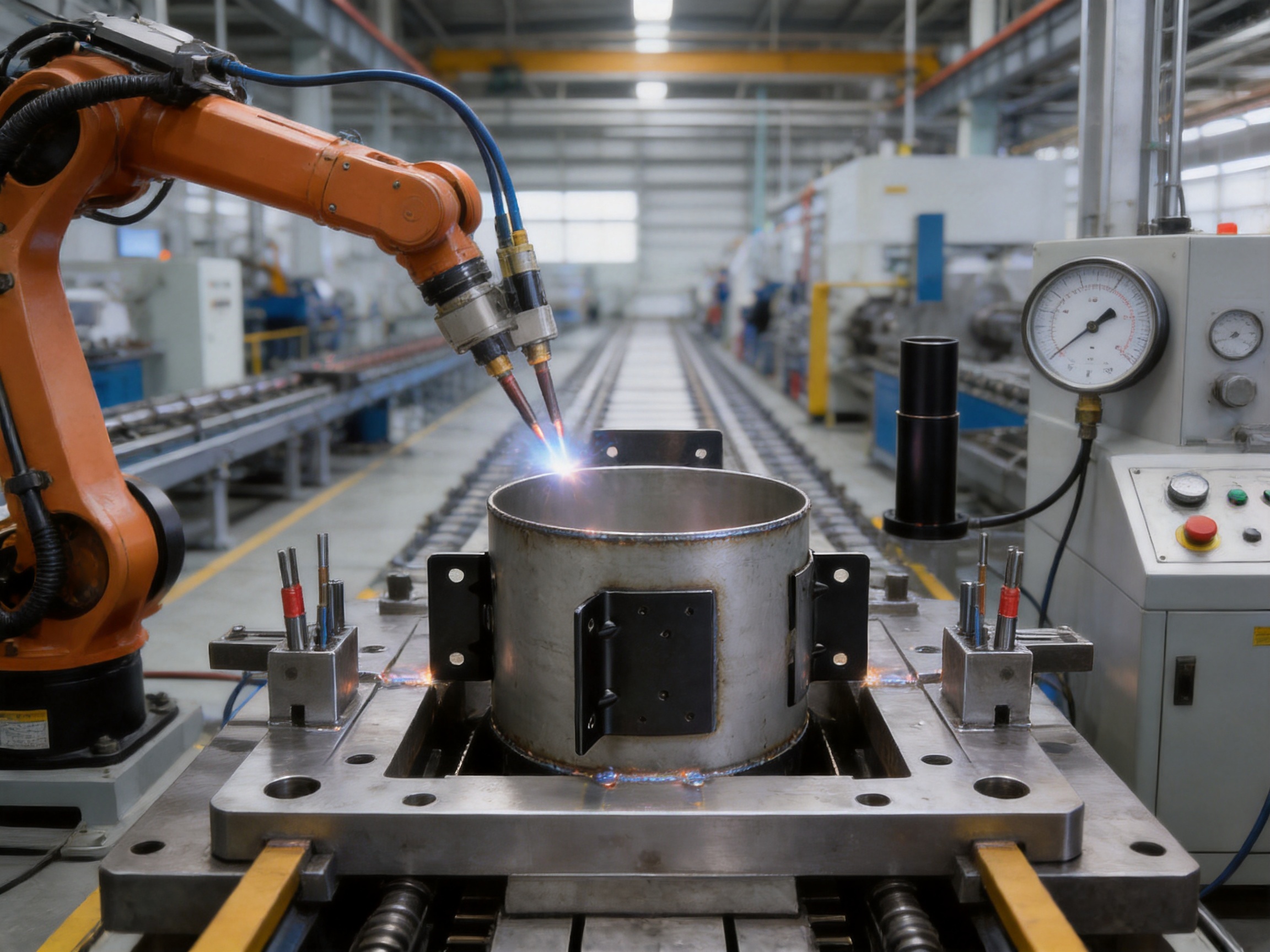
At the welding stage, the housing and mounting feet are positioned in a dedicated fixture. The fixture establishes the angle, spacing, and location of each foot. It also supports consistent contact between the bracket and the housing wall, which is necessary for stable weld formation.
The six-spot welding sequence is performed under controlled electrical and mechanical conditions. Welding current, electrode force, welding time, and cooling behavior should be maintained within the established process range. Operators and production engineers can use process records and inspections to identify changes that might affect joint quality.
Heat management is important because excessive heat can distort the cylindrical body or change the position of a mounting foot. Insufficient heat, on the other hand, may result in an inadequate weld connection. A controlled process seeks to achieve reliable bonding while limiting unnecessary thermal impact on the housing.
After welding, the assembly may undergo visual inspection, dimensional checks, and cleaning. Weld spatter, sharp edges, or surface irregularities should be managed according to the product specification. If subsequent machining or surface treatment is required, the housing must be transferred carefully to prevent damage or deformation.
Machining, Finishing, and Inspection
Machining may be used to refine selected surfaces, improve dimensional accuracy, prepare mounting interfaces, or meet customer-specific assembly requirements. The exact machining content depends on the motor design and the intended use of the housing.
Machining operations should be coordinated with the formed and welded condition of the part. Reference surfaces must be selected carefully so that the finished dimensions reflect the actual assembly requirements. For example, the inner diameter, mounting positions, and axial height may need to be checked relative to one another rather than as isolated dimensions.
Surface treatment can improve the suitability of the housing for particular environments. The correct treatment depends on the steel grade, expected humidity, exposure to corrosive substances, temperature, appearance requirements, and compatibility with other motor components. Customers should define their environmental requirements early so that the finishing process can be selected appropriately.
Inspection instruments support verification throughout the production process. Dimensional tools can be used to check diameter, height, bracket location, and mounting-hole relationships. Visual inspection can identify surface defects, welding irregularities, burrs, or handling damage. Where required, additional testing can be used to evaluate weld integrity or coating performance.
Inspection is most effective when it is integrated into production rather than performed only at the end. In-process checks can identify deviations before a large quantity of parts is completed. This reduces waste, supports corrective action, and provides better information about the source of a problem.
Inspection records also support traceability and customer communication. When production information is documented, technical teams can review material batches, process conditions, inspection results, and corrective actions. This is especially valuable for customers operating continuous production lines or managing multiple motor programs.
Integrated Manufacturing Strengths
Jiangsu Yufeng Electric Co., Ltd. provides integrated manufacturing services covering stamping, welding assembly, machining, surface treatment, and assembly. This broad scope is a significant advantage for customers seeking a coordinated motor housing supply chain.
In-house production reduces dependence on multiple external suppliers. When forming, welding, machining, and finishing are controlled within one manufacturing organization, technical information can move more quickly between departments. Design changes can be reviewed in a coordinated manner, and process responsibilities are easier to define.
Integrated production can also reduce the risk of variation between suppliers. Different companies may use different measurement methods, fixtures, material handling practices, or process standards. Bringing the major operations into one manufacturing system supports a more consistent approach to quality and documentation.
The company’s production resources include stamping lines, automated welding equipment, machining facilities, and inspection instruments. Automation can improve repeatability in high-volume operations, while skilled engineers and operators remain important for tooling adjustment, process optimization, and problem solving.
The company reports an engineering team with an average of more than 20 years of experience. This type of experience can be valuable when developing a new housing, adapting an existing design, or resolving a production issue. Experienced engineers understand how material behavior, tooling, welding, machining, and assembly interact across the complete manufacturing cycle.
With 40 years of experience in motor housing manufacturing, the company has developed knowledge of different application requirements and production conditions. It reports service to more than 50 customers and an annual production capacity exceeding five million units. These figures indicate a manufacturing organization accustomed to both technical requirements and volume production demands.
Design Support from Development to Mass Production
A motor housing project often begins before the first production order. Customers may need assistance with dimensional review, bracket design, material selection, manufacturing feasibility, tooling, welding access, surface treatment, and inspection planning. Early technical cooperation can prevent problems from appearing after tooling has been completed.
The engineering team can review whether the proposed inner diameter, outer diameter, height, and mounting pattern are compatible with available manufacturing methods. If a drawing contains difficult or conflicting requirements, engineers can discuss practical alternatives that preserve performance while improving production efficiency.
Prototype or trial production may be used to verify fit, mounting alignment, weld appearance, and assembly behavior. Feedback from these trials can guide adjustments before mass production begins. This approach is particularly useful when the housing is being developed for a new motor platform or a specialized farm machine.
During mass production, technical support remains important. Tool wear, material changes, equipment maintenance, and production-volume increases can all influence process stability. A supplier with integrated engineering and manufacturing resources can investigate such issues more efficiently than a supplier that only performs final assembly.
Fast response is also valuable for customers managing urgent production requirements. Clear communication regarding drawings, samples, quality documentation, delivery schedules, and corrective actions helps reduce delays. The company’s stated focus on quality, efficiency, and fast response reflects the practical needs of industrial customers.
Quality and Reliability Considerations
Quality should be evaluated at several levels. Dimensional quality determines whether the housing fits the motor and equipment frame. Structural quality determines whether the body and brackets can withstand operating loads. Surface quality affects appearance, handling, and corrosion resistance. Process quality determines whether the same results can be achieved consistently over time.
For this product, important inspection points include the 160-millimeter inner diameter, 165-millimeter outer diameter, 128-millimeter height, body roundness, bracket position, mounting-hole alignment, weld appearance, and overall deformation. The customer may also specify tolerances, surface-treatment requirements, material certifications, or additional testing criteria.
Reliability is influenced by the complete assembly rather than one feature alone. The steel grade, wall geometry, weld quality, bracket design, installation method, motor loading, and operating environment all contribute to service performance. Correct installation and appropriate maintenance are therefore essential.
Customers should confirm the required tolerances and inspection standards before production. Different motor designs may require different levels of dimensional control. A supplier can then prepare the correct fixtures, gauges, inspection plans, and production documentation.
When the housing is used in corrosive farm environments, customers should also review the complete corrosion-protection system. Surface treatment, storage conditions, transportation packaging, drainage, cleaning practices, and exposure levels should be considered together. The housing design provides a strong foundation, but environmental performance depends on the complete system specification.
Installation and Application Guidance
Before installation, the customer should confirm that the motor, housing, mounting frame, fasteners, and electrical components match the intended design. The four brackets should rest evenly on the equipment base without forced alignment or excessive mechanical stress.
Mounting surfaces should be clean, flat, and free from burrs or debris. Uneven surfaces can cause the housing to twist when fasteners are tightened. Such distortion may transfer unwanted stress to the housing or motor assembly.
Fasteners should be selected according to the equipment design and tightened using the recommended procedure. Excessive tightening force can deform a bracket or damage the supporting structure, while insufficient tightening may allow movement during operation.
After installation, the motor should be checked for abnormal vibration, noise, movement, or temperature rise. A short initial inspection can identify mounting or alignment problems before they develop into larger failures.
In agricultural environments, periodic inspection is recommended. Operators should look for corrosion, accumulated dust, loose fasteners, damaged surfaces, unusual bracket movement, and signs of weld or base deformation. Cleaning and maintenance procedures should be compatible with the selected surface treatment.
If the motor is exposed to ammonia, moisture, cleaning chemicals, or fertilizer-related contaminants, the inspection interval may need to be shortened. The appropriate schedule depends on operating hours, environmental severity, equipment importance, and the consequences of unexpected downtime.
Applications Beyond Farm Motors
Although the product is specifically developed for farm motor applications, its structural characteristics may also be relevant to other equipment requiring a compact steel housing with integrated mounting points. Potential applications can include ventilation systems, agricultural pumps, material-handling equipment, industrial fans, process machinery, and specialized drive systems.
The suitability of the housing for any alternative application should be verified against the customer’s motor dimensions, load conditions, environmental exposure, mounting arrangement, and surface-treatment requirements. The 160-millimeter inner diameter and 128-millimeter height must correspond to the target motor design.
Industrial drives may benefit from the stable cylindrical body and multi-point mounting arrangement when continuous vibration is present. Ventilation equipment may require a strong housing that remains secure during extended operation. Pumping systems may require additional attention to moisture protection and corrosion resistance.
The product can also serve as a reference design for customized motor housings. Customers may request changes to the mounting-foot shape, bracket spacing, body height, wall configuration, holes, surface treatment, or machining details. The manufacturer’s stamping, welding, machining, and finishing capabilities support the development of application-specific variants.
Customization and Project Cooperation
Customization begins with complete technical information. Customers should provide drawings or samples, motor specifications, annual demand, target environment, mounting requirements, material preferences, surface-treatment expectations, and inspection standards. The more complete the information, the more efficiently engineers can assess the project.
Dimensional customization may involve changes to inner diameter, outer diameter, height, bracket position, mounting-hole size, or overall housing geometry. Structural customization may involve additional ribs, modified feet, reinforced areas, or changes to the welding pattern. Process customization may involve machining, coating, cleaning, packaging, or special inspection documentation.
Not every requested change has the same manufacturing impact. A small dimensional adjustment may require new tooling, revised fixtures, or updated gauges. A bracket change may affect welding access and distortion control. A surface-treatment change may require compatibility checks with assembly lubricants or other motor components.
Technical review should therefore occur before commercial confirmation. Engineers can identify possible manufacturing risks and propose solutions that balance performance, cost, lead time, and production volume. This collaborative approach can reduce the need for later redesign.
For repeat orders, standardized product records can support efficient reordering. Approved drawings, inspection plans, tooling information, and packaging instructions help maintain consistency across production batches. Change control is also important so that revisions are clearly identified and implemented.
Supply and Production Efficiency
For motor manufacturers, reliable supply is as important as product performance. A housing shortage can interrupt assembly lines, delay equipment delivery, and increase inventory pressure. A supplier with established production capacity and coordinated manufacturing resources can help customers plan more effectively.
The reported annual capacity of more than five million units demonstrates the ability to support substantial production requirements. Capacity planning should still be matched to the customer’s forecast, delivery schedule, product mix, and required quality documentation.
In-house operations may reduce the time required to coordinate multiple processing suppliers. Stamping, welding, machining, and finishing can be scheduled as connected steps, improving visibility into production status. When issues arise, the responsible technical team can review the complete process rather than focusing on only one outsourced operation.
Efficient production also depends on tooling readiness, material availability, inspection planning, packaging, and logistics. A professional supplier should coordinate these elements before starting a mass-production program. Customers may request production schedules, sample approval procedures, quality reports, and delivery plans as part of the project.
Good packaging is especially important for welded housings with protruding brackets. Packaging should protect the mounting feet, finished surfaces, and cylindrical body from impact, moisture, and stacking damage. The design should also support efficient loading and unloading during transportation.
Why Manufacturing Integration Matters to Buyers
Buyers often compare motor housings by price, but the lowest unit price does not always represent the lowest total cost. Dimensional variation, bracket failure, delayed deliveries, rework, assembly interruptions, and field returns can create costs that are much greater than the original purchase price.
An integrated supplier can help reduce these hidden risks by coordinating the complete manufacturing route. When the same organization controls the forming, welding, machining, finishing, and inspection processes, responsibility is clearer and corrective action can be faster.
Integration also supports design-for-manufacturing improvements. Engineers can recommend changes that simplify forming, improve welding access, reduce distortion, or make inspection easier. These improvements may lower production costs while preserving the required performance.
For customers developing new motors, a supplier with technical experience can provide useful feedback during the design stage. The housing can be reviewed as part of the complete motor system rather than treated as an isolated metal component.
Jiangsu Yufeng Electric’s combination of long-term industry experience, engineering capability, production equipment, and in-house processing makes it a suitable partner for customers seeking more than a basic fabricated shell. Its role can extend from initial development support to stable mass production and continuing technical service.
Environmental and Operational Responsibility
A durable motor housing can contribute to equipment sustainability by supporting longer service life and reducing avoidable replacements. When mounting feet remain secure and dimensions remain stable, the motor may require fewer corrective interventions caused by structural problems.
Manufacturing efficiency also matters. Controlled stamping can reduce material waste, while stable welding and machining processes can reduce rework. Inspection at appropriate production stages helps prevent large batches of defective components from reaching later operations.
Customers should consider the full service life of the housing, including material selection, surface protection, transportation, installation, maintenance, and eventual replacement. A well-designed housing is one part of a broader effort to improve equipment reliability and resource efficiency.
In farm applications, reduced maintenance can be particularly valuable because equipment may be distributed across large sites or located in areas that are difficult to access. A stable mounting structure helps operators focus maintenance attention on normal wear items and operational checks rather than repeated bracket repairs.
Recommended Customer Evaluation Checklist
When evaluating the Inner Diameter 160 Steel Motor Housing with Four Brackets, customers should first confirm the internal motor fit. The 160-millimeter inner diameter must be compatible with the motor’s stator or related internal assembly, including all required clearances and insulation allowances.
The 165-millimeter outer diameter and 128-millimeter height should then be compared with the available equipment envelope. Customers should verify that cables, covers, cooling components, and adjacent structures will not interfere with the housing.
The mounting pattern should be checked against the equipment base. This includes bracket spacing, hole location, hole diameter, foot orientation, and the required fastener arrangement. The customer should also confirm whether the four feet provide the desired support for the operating load.
Environmental conditions should be documented, including humidity, dust, corrosive gases, cleaning chemicals, temperature range, vibration level, and outdoor or indoor exposure. This information helps determine whether additional surface treatment or sealing provisions are needed.
Finally, customers should agree on drawings, tolerances, inspection criteria, packaging, sample approval, delivery schedules, and change-control procedures. Clear technical communication improves the likelihood of a smooth transition from development to mass production.
Frequently Asked Questions
What is the inner diameter of this motor housing?
The nominal inner diameter is 160 millimeters. This dimension defines the primary internal cylindrical space and should be compared with the customer’s motor assembly requirements before ordering.
What are the outer diameter and height?
The nominal outer diameter is 165 millimeters, and the housing height is 128 millimeters. These dimensions define the main external envelope of the product.
How many mounting feet does the housing have?
The housing has four welded mounting feet. The four-point configuration supports stable attachment to a motor base or equipment frame.
How are the mounting feet attached?
Each mounting foot is attached using a six-spot welding process. The multiple weld points distribute the connection force and help improve resistance to vibration, impact, and uneven loading.
Why is multi-spot welding useful for farm motors?
Farm motors may operate under continuous vibration, dust, humidity, temperature changes, and uneven mechanical loads. A distributed six-spot weld pattern helps reduce the risk of bracket loosening or localized joint failure compared with a less extensive attachment arrangement.
Is the housing suitable for corrosive agricultural environments?
The product is developed with farm motor applications in mind, including environments where humidity, dust, ammonia, and temperature fluctuations may be present. The appropriate surface treatment should be confirmed according to the actual exposure level and the customer’s corrosion-protection requirements.
Can the housing be customized?
Customization may be available for dimensions, brackets, mounting holes, machining, welding details, surface treatment, inspection, and packaging. Customers should provide drawings, samples, application conditions, and expected production volumes for technical review.
What manufacturing processes are available from the supplier?
The supplier integrates steel processing, stamping, welding assembly, machining, surface treatment, assembly, and inspection. This allows the major production stages to be coordinated within one manufacturing organization.
Does the company support mass production?
Yes. Jiangsu Yufeng Electric Co., Ltd. reports an annual production capacity of more than five million units and experience serving more than 50 customers. Production planning should be confirmed according to the customer’s forecast and delivery requirements.
What information should be provided for a quotation?
Useful information includes the product drawing, required dimensions and tolerances, steel requirements, mounting pattern, surface-treatment expectations, application environment, annual demand, sample requirements, inspection standards, packaging needs, and target delivery schedule.
How should the housing be maintained after installation?
Operators should periodically check the mounting feet, fasteners, weld areas, surface condition, corrosion, dust accumulation, and abnormal movement. Inspection frequency should be adjusted according to operating hours and environmental severity.
Can this housing be used for applications other than farm motors?
It may be suitable for other motor and equipment applications with compatible dimensions, loads, mounting requirements, and environmental conditions. The customer should verify the housing against the complete target motor design before use.
Conclusion
The Inner Diameter 160 Steel Motor Housing with Four Brackets is a purpose-oriented component designed to provide dimensional stability, structural support, and reliable mounting for demanding motor applications. Its 160-millimeter inner diameter, 165-millimeter outer diameter, and 128-millimeter height create a defined and compact housing profile suitable for motors requiring consistent internal space.
The four welded mounting feet are a central product advantage. With six welding spots used for each foot, the mounting structure is designed to distribute loads and resist the vibration, impact, and uneven forces associated with continuous motor operation. This is particularly valuable for farm equipment exposed to humidity, dust, ammonia, temperature fluctuation, and difficult maintenance conditions.
Compared with generic housings, the product offers a clearer dimensional specification, an integrated bracket structure, a distributed welding pattern, and a design developed around practical agricultural requirements. Its performance potential is reinforced by the supplier’s ability to manage stamping, welding, machining, finishing, assembly, and inspection within an integrated manufacturing system.
Jiangsu Yufeng Electric Co., Ltd. combines long-term motor housing experience, engineering resources, production equipment, and mass-production capacity. Its reported 40 years of industry experience, engineering team with more than 20 years of average experience, service to more than 50 customers, and annual capacity exceeding five million units provide a strong foundation for both standard and customized motor housing projects.
For customers seeking a dependable steel housing, the most important next step is to confirm the motor dimensions, mounting pattern, environmental conditions, tolerances, surface treatment, and production requirements. With accurate technical communication and controlled manufacturing, this housing can provide a stable foundation for reliable motor operation in agricultural, industrial, and specialized equipment applications.
References
1. Product specification provided for Inner Diameter 160 Steel Motor Housing with Four Brackets, product identification ID160012.
2. Jiangsu Yufeng Electric Co., Ltd. company manufacturing information regarding stamping, welding assembly, machining, assembly, surface treatment, and inspection.
3. General engineering principles for steel forming, resistance welding, bracket attachment, dimensional control, and motor housing assembly.
4. General agricultural equipment maintenance practices for motors operating in humid, dusty, corrosive, and high-vibration environments.
5. General manufacturing quality-control practices for material inspection, fixture positioning, welding-process monitoring, dimensional inspection, and production traceability.

 Previous